The Invisible Gatekeeper- Why Battery Locks are the Next Engineering Frontier for e-Bike Brands
Jan 01, 2026
In the rapid evolution of the e-bike industry, the battery has always been the "heart" of the machine. Yet, as we approach 2027, a seemingly humble component is emerging as the "brain" of battery inte...
The Invisible Gatekeeper: Why Battery Locks are the Next Engineering Frontier for e-Bike Brands
In the rapid evolution of the e-bike industry, the battery has always been the "heart" of the machine. Yet, as we approach 2027, a seemingly humble component is emerging as the "brain" of battery integration: the locking system.
With the e-bike battery now representing a massive portion of a vehicle's value, the industry is at a crossroads. Manufacturers are forced to choose between the proven reliability of mechanical locks and the data-driven potential of electronic systems—all while under the ticking clock of the EU Battery Regulation (2023/1542).
The Mechanical vs. Electronic Dilemma
For years, the choice was simple. Mechanical locks offered a cost-effective, "install and forget" solution. Their physical durability is unmatched, and for budget-conscious commuters, they get the job done. However, in an era of "Find My" technology and keyless entry, physical keys are increasingly viewed as a legacy burden. They are easily lost, expensive to replace via post-sales logistics, and offer zero data feedback.
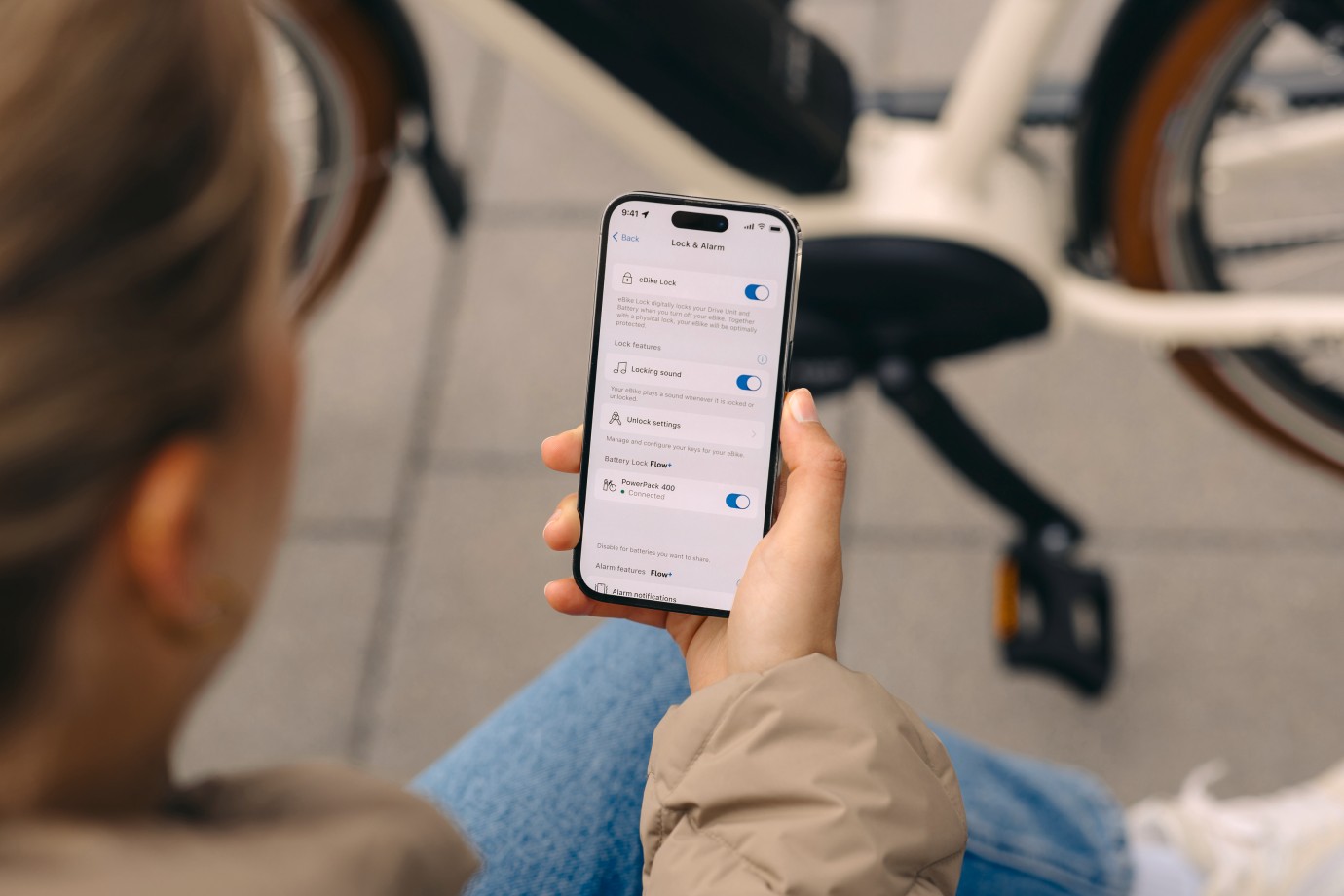 On the other end of the spectrum, Electronic Locks are transforming the user experience. By integrating with the bike’s digital ecosystem via Bluetooth or NFC, they eliminate the need for keys. More importantly, they introduce "Digital Bricking"—the ability to render a stolen battery useless, effectively destroying its black-market value.
The 2027 Regulatory Catalyst
The real driver for change, however, isn't just user convenience; it’s compliance. The upcoming Digital Battery Passport (DBP) requirements in Europe demand that battery data—health, cycles, and history—be traceable.
An electronic lock serves as a verified hardware checkpoint. Every time a battery is engaged or removed, the system can log the event, creating a secure data trail that simplifies a manufacturer’s compliance burden. For brands eyeing the European market, the lock is no longer just about security; it’s about the legal "Right to Repair" and circular economy traceability.
Bridging the Integration Gap: The JDM Approach
The transition to electronic locking is not without hurdles. It requires deep synchronization between frame design, Battery Management Systems (BMS), and software interfaces. This complexity is why many Tier-1 brands are moving away from simple "off-the-shelf" sourcing toward JDM (Joint Design Manufacture).
By collaborating with lock specialists early in the R&D phase, brands can ensure that the locking mechanism is not an afterthought but a core part of the bike’s architecture. This collaborative approach reduces the risk of electronic interference, optimizes space within the down tube, and ensures that the final product meets the rigorous safety standards required for international shipping and insurance.
Looking Ahead
As we move toward 2027, the distinction between "hardware" and "software" in the e-bike sector will continue to blur. Manufacturers who view the battery lock as a strategic asset—rather than a commodity—will find themselves better positioned to meet regulatory demands and consumer expectations.
 For those seeking to explore the latest in high-security battery integration, industry leaders like Sinox are setting the pace. Their expertise in both traditional OEM/ODM and complex JDM projects provides a blueprint for how brands can navigate this transition. By offering everything from robust mechanical cylinders to IoT-ready digital systems, Sinox helps manufacturers bridge the gap between today’s security and tomorrow’s smart mobility requirements.
Learn more about the future of e-bike security at Sinox’s Battery Lock Technology Hub.