Custom vs. Standard Medical Cable Assemblies - Making the Right Choice for Your Device
Dec 01, 2025
Choosing the right Medical Cable Assembly is a crucial decision that can significantly impact device performance, reliability, regulatory compliance, and project timelines. While standard assemblies m...
Custom vs. Standard Medical Cable Assemblies - Making the Right Choice for Your Device
Choosing the right Medical Cable Assembly is a crucial decision that can significantly impact device performance, reliability, regulatory compliance, and project timelines. While standard assemblies may appear convenient and cost-effective, custom assemblies often deliver the precise performance, compatibility, and durability required for specialized medical applications. Evaluating the trade-offs between standard and custom options is essential for achieving both operational efficiency and long-term cost savings.
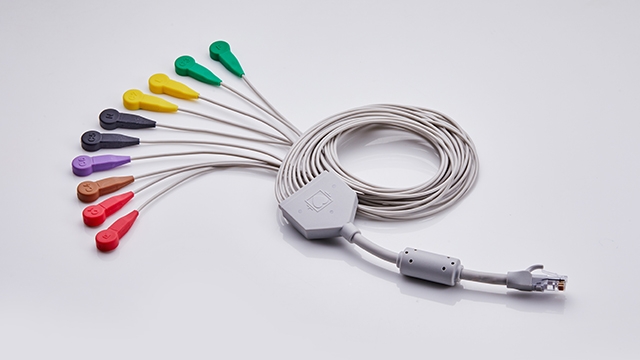
Advantages of Standard Medical Cables
Standard medical cable assemblies are pre-designed solutions commonly used across a range of medical devices. They are manufactured according to industry norms, providing a reliable and cost-effective option for devices with standard connectivity and operational requirements.
Lower Cost
One of the most obvious benefits of standard medical cable assemblies is cost efficiency. Mass-produced designs leverage economies of scale, which results in:
- Reduced material and labor costs
- Lower engineering and design expenses
- Affordable pricing for large volume orders
For devices that do not require specialized connectors, unique conductor configurations, or unusual lengths, standard assemblies can provide a budget-friendly solution while maintaining basic functionality.
Faster Development
Standard assemblies are readily available and often require minimal lead time. This accelerates development cycles and reduces time-to-market. Key advantages include:
- Immediate availability from suppliers
- Reduced design and prototyping phases
- Compatibility with commonly used connectors and interfaces
For early-stage projects or prototypes where standard specifications suffice, these assemblies allow engineers to focus on device development without getting delayed by custom cable design and production.
Benefits of Custom Medical Cable Assemblies
Custom medical cable assemblies are designed to meet the exact requirements of your device. They offer tailored solutions that address unique challenges in medical applications, including sterility, flexibility, and precise electrical performance.
Tailored Performance
Custom assemblies enable designers to optimize electrical, mechanical, and environmental performance for specific devices. For instance:
- Specific conductor types for signal integrity
- Shielding designed for electromagnetic interference (EMI) reduction
- Customized insulation materials compatible with sterilization methods
This ensures the cable assembly performs reliably under the exact operating conditions of your device.
Precise Compatibility
Every medical device has its own configuration, connectors, and space constraints. Custom assemblies can be engineered to perfectly fit:
- Connector types unique to your device
- Lengths and routing requirements within complex medical instruments
- Multi-branch cable assemblies or modular configurations
Precise compatibility reduces installation errors, ensures consistent performance, and supports regulatory compliance.
Enhanced Durability
Medical devices often operate in demanding environments, requiring cables to withstand repeated flexing, chemical exposure, and sterilization processes. Custom cable assemblies provide:
- Reinforced strain relief and bending protection
- Materials resistant to chemical and disinfectant damage
- Extended lifecycle under repeated sterilization or high-flex applications
This durability minimizes maintenance, prevents premature failures, and ensures long-term device reliability.
Decision Guide: Which Option Fits Your Device?
Selecting between standard and custom Medical Cable Assemblies involves balancing cost, performance, and project requirements. The table below summarizes the key factors to consider:
| Factor | Standard Medical Cable Assembly | Custom Medical Cable Assembly |
|---|---|---|
| Cost | Lower upfront cost, suitable for mass-market devices | Higher initial cost, offset by optimized performance and durability |
| Lead Time | Readily available, minimal development time | Longer lead time due to design, prototyping, and testing |
| Compatibility | Works with commonly used connectors and devices | Fully tailored to device-specific connectors, routing, and space constraints |
| Performance | Standard electrical and mechanical specifications | Optimized for signal integrity, flexibility, and sterilization resistance |
| Longevity | Adequate for typical use cases | Enhanced durability for demanding applications |
| Regulatory Support | General compliance | Tailored to support ISO, IEC, and FDA requirements if needed |
By analyzing these factors, engineers can identify the assembly type that aligns with the device’s operational needs, project schedule, and budget constraints.
Reliable OEM Support for Custom Medical Cable Assembly
For medical device manufacturers seeking a trusted partner, Cambus offers expertise in both standard and fully custom Medical Cable Assemblies. Cambus supports devices ranging from diagnostic equipment to therapeutic instruments, providing solutions that meet stringent performance, safety, and regulatory requirements.
Cambus stands out for its:
- In-house design and prototyping capabilities for custom cable assemblies
- Expertise in medical-grade materials and sterilization-compatible designs
- Proven track record in producing high-reliability, long-life cables for complex medical devices
- Flexible production capacity to handle both small-scale custom orders and large-volume standard assemblies
By leveraging Cambus’ experience, medical device manufacturers can confidently choose between standard and custom solutions without compromising on quality, reliability, or compliance.
Making the Right Choice for Your Device
Ultimately, the choice between standard and custom Medical Cable Assemblies depends on your device’s technical requirements, operational environment, and budget. Standard assemblies provide a cost-effective, fast-to-market solution for general applications, while custom assemblies deliver tailored performance, precise compatibility, and enhanced durability for specialized devices.