Medical Masks for Healthcare Professionals - Ensuring Safety, Comfort, and Reliability
Feb 01, 2026
Medical masks play an essential role in protecting healthcare professionals and patients from airborne pathogens, droplets, and particulates. Although the acute urgency of the COVID‑19 pandemic has re...
Why High‑Quality Medical Masks Matter in 2026: Safety, Comfort & Operational Reliability
The Growing Importance of Medical Masks in Healthcare
Medical masks play an essential role in protecting healthcare professionals and patients from airborne pathogens, droplets, and particulates. Although the acute urgency of the COVID‑19 pandemic has receded, the need for dependable protective masks remains elevated worldwide, driven by ongoing concerns about surgical procedures, hospital‑acquired infections, and rising awareness of personal protective equipment (PPE) effectiveness. According to industry forecasts, the global disposable mask market is projected to grow to approximately USD 26.6 billion by 2026, with surgical masks—as a major segment—continuing to be widely used in clinical settings.
Healthcare operators must balance multiple considerations when selecting masks: protection level, comfort for extended wear, material safety, compliance with standards, and consistent supply. A reliable mask program enhances staff safety protocols, reduces the risk of infection transmission, and supports efficient operations in both routine care and high‑demand environments.
How Medical Masks Protect Staff and Patients
Medical or surgical masks are designed to act as a barrier against infectious droplets and particulate matter that may contain bacteria and viruses. In healthcare settings, these masks serve several critical purposes:
- Droplet protection: Masks help block fluid splashes and large respiratory droplets, a common route for pathogen transmission during coughs, sneezes, or clinical procedures.
- Source control: Wearing a mask limits the expulsion of droplets from infected individuals, protecting others in close proximity.
- Workplace safety: Masks are part of a broader PPE ensemble that supports infection control protocols, especially in patient‑facing areas.
These protective functions are especially important in environments such as emergency rooms, surgical units, and outpatient clinics where staff encounter a wide range of clinical exposures throughout the day.
Balancing Filtration, Breathability, and Comfort
Safety alone isn’t sufficient—comfort and usability directly influence how consistently healthcare staff wear masks over long shifts. Masks that are difficult to wear or that restrict airflow can result in poor compliance, reducing overall effectiveness. Key design features that support usability include:
- Breathable materials: Lightweight non‑woven fabrics that maintain filtration performance without excessive breathing resistance.
- Ergonomic fit: Adjustable nose bridges and soft earloops that reduce pressure points and enhance fit.
- Adaptable sizing: Options that accommodate different face shapes to maintain a secure seal without discomfort.
These design considerations help ensure that staff can wear masks correctly for extended periods without distraction or fatigue—an essential factor for maintaining safety in busy clinical workflows.
Meeting Regulatory Standards and Quality Expectations
Healthcare facilities must ensure that the masks they procure comply with relevant health and safety standards, including requirements for filtration efficiency, fluid resistance, and material safety. Consistent quality is critical for both patient protection and institutional risk management. In a clinical context, masks are evaluated based on performance metrics that often include:
- Bacterial Filtration Efficiency (BFE)
- Particulate Filtration Efficiency (PFE)
- Fluid resistance levels
- Hypoallergenic materials suited for sensitive skin
High‑volume production for medical facilities necessitates stringent quality control throughout manufacturing, including source material verification, batch testing for protective performance, and traceability systems that support audits and compliance checks.
How YOHO Medical Masks Support Healthcare Professionals
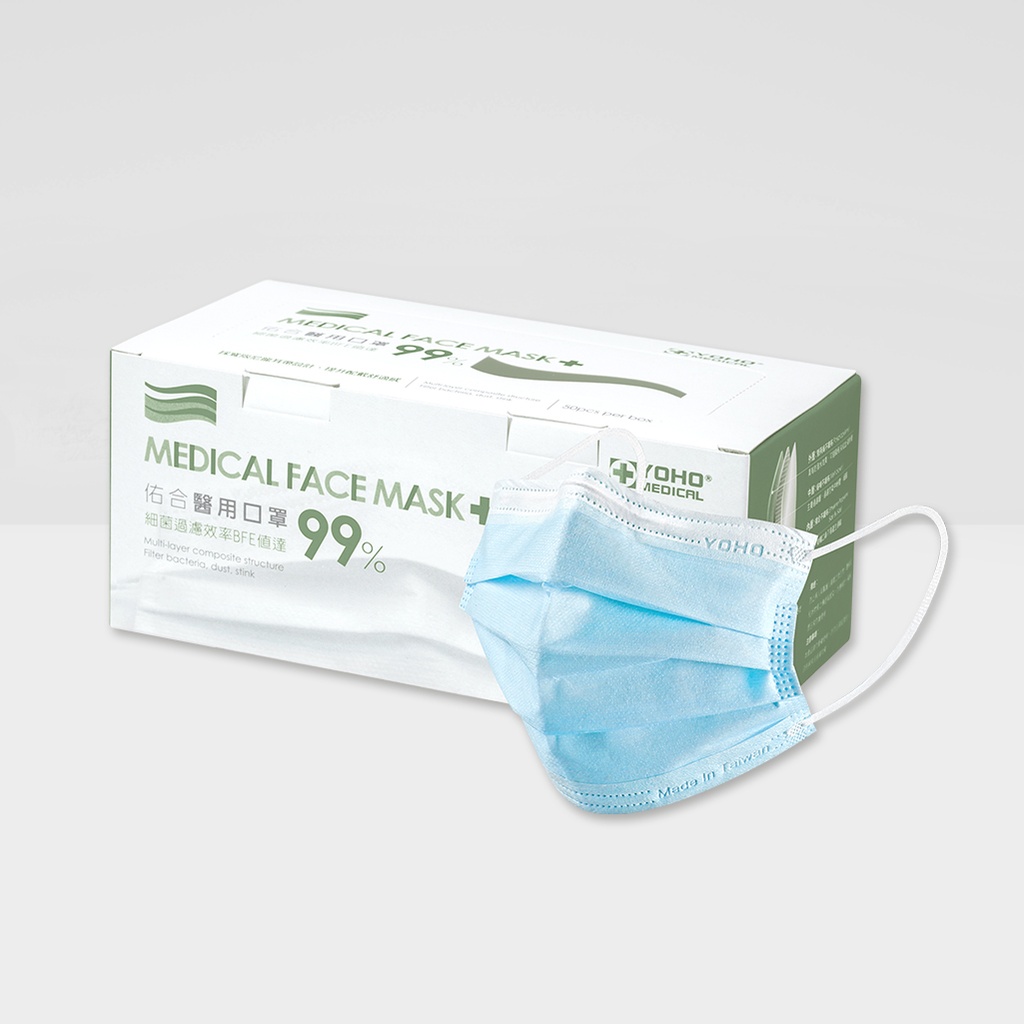
YOHO Medical provides a range of disposable medical masks for healthcare professionals, clinics, and patient-facing environments. Their lineup includes surgical masks, earloop masks, and non-woven medical masks, all made under strict quality and hygiene standards. Each mask balances protection, comfort, and usability, allowing staff to wear them for long shifts safely. (YOHO Medical)
These masks offer droplet protection, source control, and reduced contamination risk, with ergonomic features like adjustable nose bridges, soft earloops, and lightweight materials for a secure, comfortable fit. YOHO ensures consistent material quality and filtration efficiency, so healthcare facilities can rely on stable, high-quality mask supply for daily operations.
The Value of Right‑Fit Masks for Healthcare Safety
High‑quality medical masks remain a backbone of clinical safety protocols, enhancing protection for both healthcare professionals and patients. By prioritizing masks that balance effective filtration, comfort for long wear, and compliance with safety standards, healthcare facilities can foster safer environments that uphold infection control goals while supporting operational efficiency. In turn, this contributes to improved staff morale, reduced risk of contamination, and dependable caregiving outcomes that benefit facilities and the populations they serve.