US Health Supplement Tariffs Drop to 10% in Taiwan – Consumer Gains vs. Local OEM Challenges Under New Reciprocal Trade Deal
Mar 02, 2026
Under the 2026 US-Taiwan Agreement on Reciprocal Trade, Taiwan slashes tariffs on US health products (including supplements) from up to 30% to 10%, expanding American market access while sparking concerns over order losses for Taiwan's domestic OEM manufacturers.
US Health Supplement Tariffs Drop to 10% in Taiwan – Consumer Gains vs. Local OEM Challenges Under New Reciprocal Trade Deal
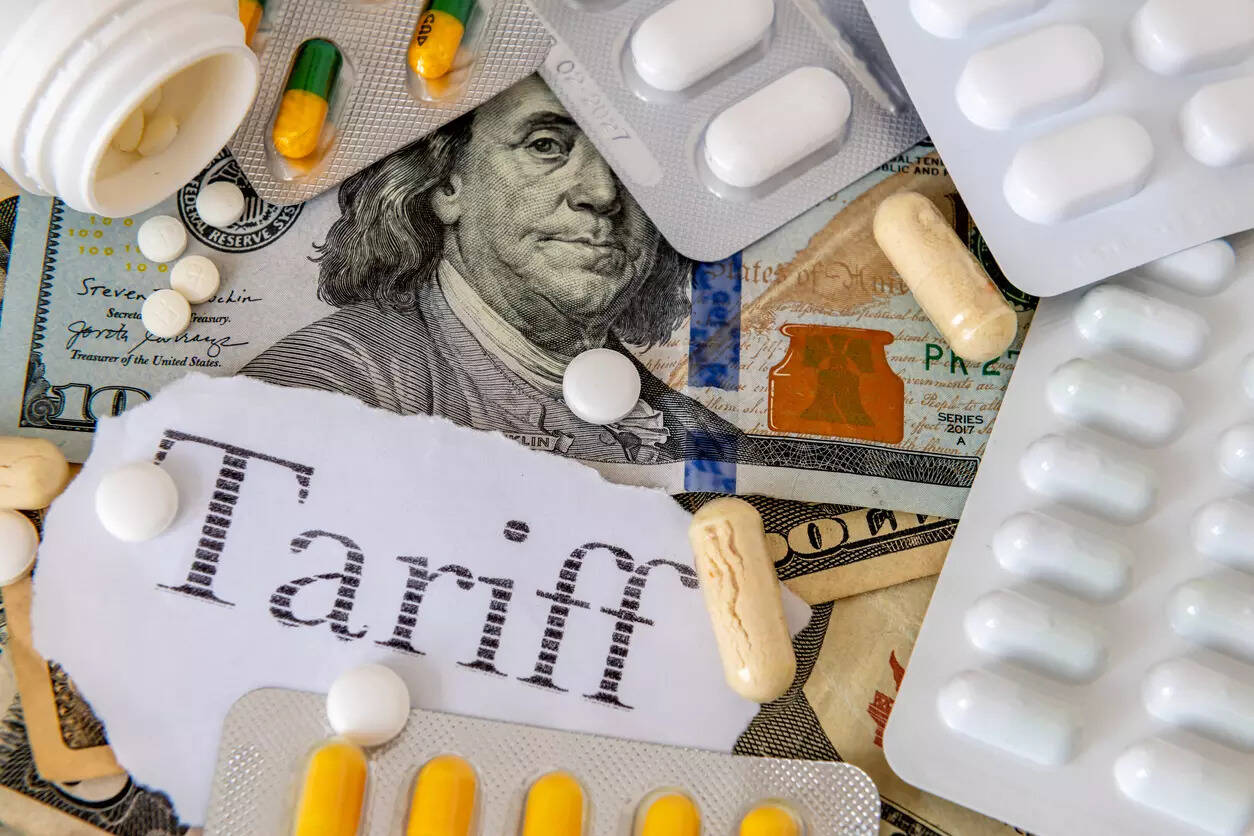
In February 2026, the United States and Taiwan signed the Agreement on Reciprocal Trade (ART), a landmark bilateral framework aimed at achieving more balanced and reciprocal trade relations. As part of the deal, Taiwan committed to eliminate or reduce 99% of tariff barriers on US goods, providing preferential market access for a wide range of American exports—including health products (encompassing dietary supplements, health foods, and related items).
According to the US Trade Representative (USTR) fact sheet and the agreement's tariff schedules, this includes significant duty reductions for US industrial and consumer products. Specifically, Taiwan's import tariffs on many US health supplements have been reduced from previous levels as high as 30% to 10% (falling under adjusted categories such as R2-R10 in the tariff schedule). This change, effective following ratification and implementation steps, is part of broader efforts to lower barriers and boost US exports while securing preferential treatment for Taiwanese goods entering the US (capped at 15% all-in for most items).
Market Impact and Consumer Benefits
US-branded health supplements have long held a strong position in Taiwan—often capturing around 50% market share in certain segments—thanks to consumer preference for imported quality and variety. The tariff cut is expected to increase product availability, enhance competition, and potentially exert downward pressure on retail prices over time. American producers, farmers, and manufacturers stand to gain substantially from improved access to Taiwan's market, as highlighted by USTR statements emphasizing opportunities for US workers and businesses.
However, the adjustment has raised alarms within Taiwan's domestic health supplement industry, which has thrived as a major OEM/ODM hub for international (including US) brands.
Concerns for Taiwan's Local Manufacturers
Taiwanese factories have benefited from high prior tariffs, which incentivized US brands to outsource production locally to avoid import duties. With the tariff now at 10%, industry leaders warn that more orders could shift back to US domestic manufacturing or be imported directly as finished goods.
Chen Wei-Jen, founding chairman of the Taiwan Health Food Industry Association, expressed concerns that this could lead to substantial order losses for local OEM facilities. Some firms might even consider relocating production overseas to maintain competitiveness, potentially impacting domestic employment and output.
Taiwan's health supplement market is valued at over NT$180 billion in annual sales, with locally produced goods contributing roughly NT$100 billion. A notable decline in OEM business could affect supply chains and industry resilience.
Opportunities and Adaptation Strategies
Despite these challenges, experts remain cautiously optimistic. Taiwan's industry excels in advanced technologies such as probiotic fermentation, extraction, concentration, and formulation—strengths derived from its pharmaceutical heritage. Exports to markets like Malaysia, mainland China, and Japan continue to perform strongly.
Industry representatives, including Huang Jin-Shun (honorary chairman of the National Union of Pharmacists Associations), view this as a pivotal moment to transition from heavy OEM dependence toward developing independent Taiwanese brands. Government support in international marketing, R&D, brand building, and maintaining rigorous import inspections (for safety, labeling, and price transparency) will be key.
While consumers anticipate price reductions, experts note that factors like existing inventories, brand pricing strategies, distribution costs, and regulatory compliance may delay or moderate immediate drops. Tariffs typically represent only 8-10% of final retail prices, so broader market dynamics will influence outcomes.
Broader Context of the Agreement
The ART reflects mutual commitments: Taiwan gains tariff certainty and exemptions for thousands of exports to the US (with semiconductors and high-tech sectors receiving favorable treatment under Section 232 considerations), while opening its market to more US goods. Sensitive agricultural items (e.g., rice) remain protected, but health products benefit from the liberalization.
This deal underscores Taiwan's strategic push for deeper US economic integration amid global supply chain shifts. For the health supplement sector, it presents both risks and incentives to innovate, build brand equity, and leverage core competencies in an increasingly open environment.
As the agreement moves toward legislative review and implementation, Taiwan's manufacturers must adapt quickly—turning potential threats into drivers of long-term competitiveness and growth.
References
Primary Chinese-Language Sources
- 進口美國保健食品關稅降至10% 台灣產業憂衝擊代工,中央社
- 台灣本土保健品代工業者 恐流失訂單,聯合新聞網
- 台美對等貿易協定相關說明,行政院
- 台美對等貿易協定 保健食品關稅降至10%,世界新聞網
- 保健食品關稅降10% 價格反映待觀察,經濟日報/UDN Money
- 美國保健食品關稅降至10% 短期內價格難降,TechNews
English-Language Sources
- Fact Sheet on U.S.-Taiwan Agreement on Reciprocal Trade,United States Trade Representative (USTR)
- What's In the New US-Taiwan "Agreement on Reciprocal Trade”?,Global Taiwan Institute
- United States and Taiwan Sign Agreement on Reciprocal Trade,International Trade Insights
- U.S. AND TAIWAN SIGN RECIPROCAL AGREEMENT, 15% ALL-IN TARIFF AND COORDINATED IMPORT RESTRICTIONS ON OTHER COUNTRIES,Green Worldwide Shipping
- Taiwan–US Tariff Deal Opens Market to Food, Health Products,TaiwanPlus