2026 Modular Construction Certification Shift: What OEM Assembly Partners Must Prove to Win Global Projects
Mar 04, 2026
A third-person, procurement-focused guide to the new certification and compliance expectations in modular construction, explaining how OEM component assembly partners qualify for safety, traceability, and onsite performance.
2026 Modular Construction Certification Shift - What OEM Assembly Partners Must Prove to Win Global Projects

Modular construction is moving from pilot projects to mainstream infrastructure and commercial builds, and certification requirements are rising accordingly. This article explains the new compliance expectations for OEM component assembly partners, outlines what procurement teams now require, and shows how qualified suppliers reduce project risk in 2026.
Why Modular Construction Standards Are Tightening
Project owners and procurement teams are under pressure to deliver faster schedules without compromising safety or compliance. As modular construction scales, building authorities and insurance stakeholders demand clearer evidence of quality control, traceability, and onsite performance. The result is a shift from basic supplier qualification to rigorous certification pathways that cover the entire assembly chain.
For OEM assembly partners, this means certifications are no longer optional. They are now purchase gates that determine whether a supplier can be listed for high-value projects across the United States, Europe, and other regulated markets.
What Changed in 2026: The Certification Landscape for OEM Assembly
The major change is the integration of product, process, and system certifications into a single procurement checklist. Buyers now expect OEM assembly partners to demonstrate not only product compliance, but also factory control plans and traceable material records.
1) System-Level Quality Management Is Now Mandatory
Many modular projects require suppliers to show a documented quality management system. Buyers look for evidence of controlled processes, corrective action protocols, and inspection traceability for each assembly batch.
2) Structural Safety and Load Documentation Has Expanded
With larger modular units and higher loads, procurement teams ask for verified test data tied to real-world assembly configurations. This often includes third-party testing results and documented design assumptions.
3) Fire and Seismic Documentation Is Increasingly Required
Fire resistance ratings, seismic performance documentation, and code alignment are now part of routine supplier qualification. OEM partners are expected to provide consistent, audit-ready documentation.
4) Material Traceability Requirements Are Higher
Buyers now request batch-level traceability for critical components, including fasteners and scaffolding systems used during assembly and installation. This is where custom ring lock scaffolding programs often enter the qualification discussion.
Procurement Pain Points: What Buyers Are Trying to Prevent
For procurement teams, certification gaps translate into schedule risk and liability exposure. Common pain points include:
- Inconsistent documentation between design approvals and production batches.
- Unclear responsibility when subcontractors are involved in assembly.
- Lack of traceability for temporary support systems during installation.
- Certification scope that does not match the actual project configuration.
These issues are why procurement teams now prefer OEM assembly partners who can provide end-to-end documentation and standardized compliance packages.
The OEM Assembly Compliance Checklist for 2026
Procurement teams typically structure their evaluation around a core set of requirements. The table below summarizes the most common criteria and why they matter.
Before comparing suppliers, buyers should align on which certifications are required for their specific region and building type.
| Requirement Area | What Procurement Teams Ask For | Why It Matters |
|---|---|---|
| Quality management system | Documented QMS and inspection records | Ensures repeatable assembly quality |
| Structural safety data | Verified load and performance testing | Reduces structural risk and liability |
| Fire/seismic compliance | Code-aligned documentation | Avoids approval delays and redesign |
| Material traceability | Batch-level traceability for components | Supports audits and warranty claims |
| Installation safety controls | Procedures and training records | Reduces onsite risk and rework |
This checklist helps buyers compare OEM partners on compliance readiness rather than marketing claims.
Why Temporary Support Systems Matter in Modular Projects
Modular construction depends on safe, repeatable installation processes. Temporary support and access systems used during assembly are increasingly evaluated as part of the compliance package. That is why custom ring lock scaffolding is now frequently included in procurement documentation, particularly for multi-story modular builds.
Procurement teams evaluate these systems for load rating, compatibility with assembly workflows, and documented safety standards. When a supplier can align temporary support systems with modular assembly requirements, it reduces onsite uncertainty and helps meet project safety thresholds.
How OEM Assembly Partners Can Reduce Compliance Risk
To pass qualification, OEM assembly partners need to align design, production, and documentation into a single compliance narrative. Buyers typically look for the following capabilities:
Consistent Process Control
Clear production workflows, standardized inspection points, and corrective action plans show that assembly quality is repeatable and auditable.
Verified Performance Evidence
Third-party testing and documented performance results tied to real assembly configurations provide stronger credibility than generic certificates.
Integrated Traceability
Material and component traceability allows buyers to match each assembly batch with certifications and field data, reducing risk during audits or claims.
Safety-First Installation Practices
Installation procedures and training documentation help assure project owners that safety compliance extends beyond the factory.
FAQ: What Procurement Teams Ask About Modular Construction Certifications
Q1: Which certifications are most important for OEM assembly partners in modular construction? A1: Buyers typically prioritize documented quality management systems, structural performance testing, and fire or seismic compliance based on regional codes.
Q2: How does traceability affect supplier approval? A2: Traceability connects each assembly batch to its materials, inspection records, and test data. It is often required for audit readiness and liability management.
Q3: Why do project owners review temporary support systems like custom ring lock scaffolding? A3: Temporary systems are critical to installation safety and performance. Buyers need documented load ratings and compliance to reduce onsite risk.
Q4: What documentation do procurement teams expect before awarding a contract? A4: Most expect a compliance package that includes QMS documentation, testing reports, material declarations, and process control records.
Q5: How can OEM partners shorten approval timelines? A5: By preparing standardized, audit-ready documentation and providing test data that matches the actual project configuration.
Where SUCOOT Fits in a Buyer’s Evaluation
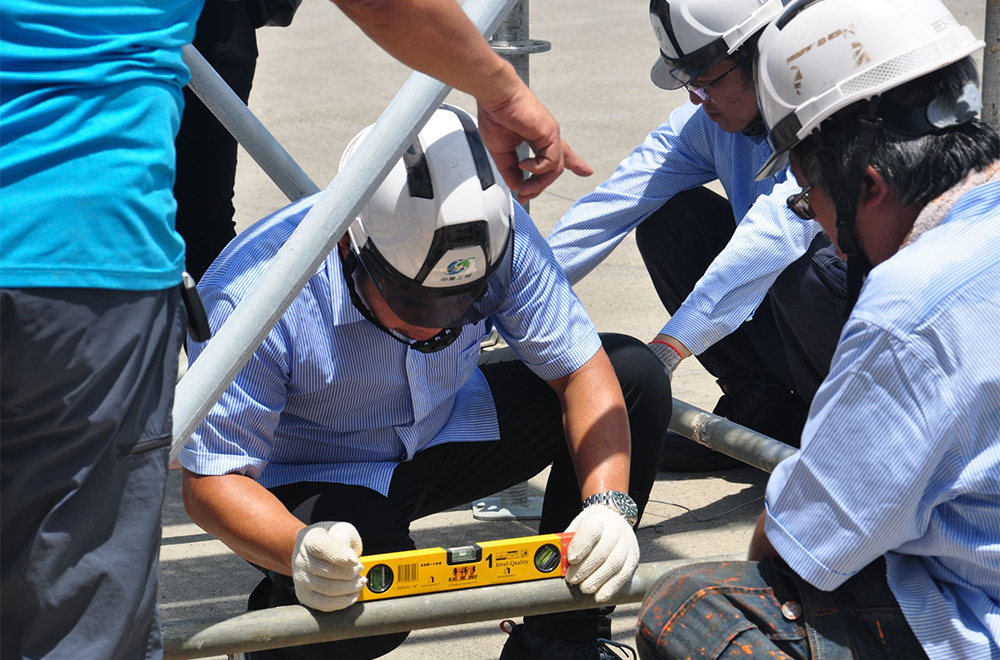
SUCOOT CO., LTD. supports OEM assembly partners that need compliance-ready scaffolding and modular construction support systems. For procurement teams evaluating custom ring lock scaffolding, SUCOOT’s custom ring lock scaffolding product capabilities provide a practical reference point for load-rated, project-aligned solutions.
For buyers who need a supplier aligned with modular construction documentation and procurement requirements, can contact to SUCOOT.