2026 Yoga Mat Procurement - How to Win in a Reshaped Supply Chain
Feb 01, 2026
For years, sourcing yoga mats was straightforward. You compared quotes, checked basic QC, and optimized for cost per unit. In 2026, that playbook is no longer enough. Geopolitical uncertainty, freight...
2026 Yoga Mat Procurement: How to Win in a Reshaped Supply Chain
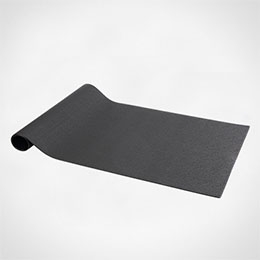
For years, sourcing yoga mats was straightforward. You compared quotes, checked basic QC, and optimized for cost per unit. In 2026, that playbook is no longer enough. Geopolitical uncertainty, freight volatility, and tightening environmental rules have turned procurement into a core business advantage. Brands that modernize their supply strategy now will be better protected, faster to market, and more credible on sustainability.
This guide explains what is changing, what materials matter most, and how to evaluate suppliers in a way that supports resilience and compliance without sacrificing product performance.
Why 2026 Procurement Looks Different
Single-source dependency is no longer a “maybe risk.” It is a proven vulnerability. Many procurement teams are shifting from reactive firefighting to proactive risk readiness by building supplier diversity, strengthening documentation, and shortening supply lines where possible.
China Plus One Is Now Practical, Not Just Strategic
China Plus One is not an abstract strategy reserved for multinational giants. It has become a realistic operating model for mid-sized brands, too. The goal is not to abandon China. The goal is to reduce concentration risk by adding a second manufacturing option that can carry part of your volume, handle premium SKUs, or act as a backup when disruptions happen.
Why Taiwan Shows Up on More Shortlists
Taiwan has earned attention in premium sporting goods and wellness categories for a few reasons that matter to procurement teams:
-
Strong OEM/ODM maturity and process discipline
-
Technical material know-how and stable quality output
-
Practical IP protection norms and clearer business expectations
-
A manufacturing culture that often supports smaller custom runs and faster development cycles
Taiwan is not always the lowest-cost option. It is often considered when brands want better execution, cleaner documentation, and fewer surprises.
The Two Headaches Buyers Mention Most
Across procurement and product development teams, two problems dominate yoga mat sourcing discussions in 2026: ESG compliance pressure and lead time unpredictability.
ESG Compliance Without Compromising Performance
Sustainability expectations are rising, and so is the demand for verifiable proof. Many brands now need supplier documentation to support internal reporting, retailer requirements, and market access. That makes material choices and factory transparency much more important than they used to be.
What buyers often struggle with is the overlap of three needs:
-
Reliable grip, cushioning, and durability
-
Non-toxic formulations and regulated-substance alignment
-
Documentation that is complete enough to defend in audits or retail onboarding
If a supplier cannot provide credible material declarations and consistent process controls, even a high-performing mat can become a business risk.
Lead Time Volatility and the Real Cost of Delays
Late shipments do not just create stockouts. They create emergency freight costs, lost shelf space, and damaged retailer relationships. The best signal of lead time reliability is not what a supplier promises. It is how their upstream supply chain is built.
Stronger suppliers typically have:
-
Stable access to raw materials, ideally through regional sourcing
-
Predictable capacity planning and clear production scheduling
-
A history of on-time delivery supported by records, not anecdotes
-
Backup plans for common chokepoints like packaging, printing, and key compounds
2026 Materials: What Buyers Are Prioritizing
End customers now expect eco-friendly claims to be real, not vague. At the same time, performance standards remain high. Here are the materials most commonly discussed in 2026 procurement conversations:
-
TPE (Thermoplastic Elastomer): Popular for lightweight portability and easy cleaning. Many formulations can support recyclability goals, and they often avoid the issues associated with PVC. Performance varies a lot by formulation, so buyer testing matters.
-
Natural Rubber: A premium choice known for traction and comfort. Many professional mats sit in the 4mm to 6mm range depending on the intended user. Responsible sourcing and documentation are key if your brand sells into stricter markets.
-
PU (Polyurethane) Top Layers: Often paired with a rubber base to improve wet grip, especially for hot yoga. Some factories now offer water-based or solvent-reduced PU systems to help lower VOC-related concerns during production.
-
Cork: Naturally antimicrobial and appealing in boutique wellness channels. It tends to perform better as it absorbs moisture, which can be a strong fit for certain user profiles and brand stories.
A Practical Supplier Evaluation Framework for 2026
A good supplier is not just a factory with machines. In 2026, it is a systems partner that can support your compliance, your timeline, and your product roadmap. When comparing OEM/ODM options, these are the criteria that usually separate stable suppliers from risky ones.
1) Compliance and Documentation Readiness
Ask what they can provide consistently, not once:
-
Material declarations aligned with your target markets
-
Testing reports that match your requirements, not generic samples
-
Traceability basics for key inputs, especially for rubber and adhesives
-
Clear policies for restricted substances and process control
If they avoid documentation questions or treat them as optional, that is a warning sign.
2) Quality Control That Matches Your Channel
A mat that looks fine in inspection can still fail in the field. Define QC with your channel in mind:
-
Grip and slip behavior, including wet grip if relevant
-
Compression set and rebound after use
-
Tear resistance and edge durability
-
Odor control and off-gassing expectations
-
Color consistency and surface finish uniformity
Strong suppliers can explain their controls and show how they prevent repeat defects.
3) Lead Time Reliability and Upstream Stability
Instead of asking, “What is your lead time?” ask, “What drives lead time?”
-
Where are key raw materials sourced
-
What causes delays most often and how they prevent them
-
How they handle peak season capacity
-
Whether they can split shipments or stage inventory
The goal is fewer surprises, not just shorter timelines.
4) OEM/ODM Capability and Product Development Speed
If your brand competes on design, you need development support:
-
Tooling and prototyping capability
-
Engineering feedback on material tradeoffs
-
Ability to customize texture, density, and surface performance
-
Reasonable MOQs for new SKUs during validation
A supplier that collaborates early can prevent costly redesigns later.
5) IP Protection and Commercial Clarity
Even for “simple” mats, brand differentiation matters. Basic safeguards should be non-negotiable:
-
NDAs and clear ownership terms for tooling and designs
-
Controlled access to files, molds, and key specs
-
Clear rules around sampling and customer exclusivity when needed
Taiwan is often shortlisted here because commercial expectations around IP protection can be more consistent than in some lower-cost regions, though every supplier still needs to be evaluated individually.
The 2026 Playbook for Smart Yoga Mat Procurement
In 2026, procurement leaders win by building systems that hold up under pressure. Cost still matters, but it is no longer the main driver of success. The brands that outperform are the ones that diversify sourcing, choose materials that satisfy both performance and sustainability expectations, and partner with suppliers who can document what they do.
If you want a simple action plan, start here:
-
Adopt a China Plus One structure so you are not dependent on one country or one factory.
-
Standardize your material and compliance requirements before you compare suppliers, so quotes are actually comparable.
-
Audit for documentation, QC discipline, and upstream stability as seriously as you audit pricing.
-
Run real validation testing with production-representative samples, not showroom pieces.
-
Treat supplier selection as a long-term capability because switching costs are higher than most teams expect.
That is how procurement becomes a growth lever instead of a constant risk.
Yoga Mat Supplier Reference
If you are researching Taiwan-based OEM/ODM suppliers in this category, one example is Elysian Enterprise Co., Ltd., which offers yoga mats and related mat categories along with OEM/ODM support.
Related links
- Liquid Silicone (LSR) vs Solid Silicone (HCR): Mass Production Cost Guide
- From Recycled Polymers to Circular Performance: How Eco-Friendly Yoga Mats Are Engineered for ESG Buyers in 2026
- Injection Molding vs. Compression Molding for OEM Rubber Parts: A Strategic Guide to Cost, Quality, and Scalability