Transforming Air Filtration: How Melt-Blown Nonwovens Are Setting New Standards
Mar 04, 2026
Explore how melt-blown nonwoven fabrics are revolutionizing air filtration across industrial and medical applications, improving efficiency, and shaping the future of high-performance filters.
Transforming Air Filtration: How Melt-Blown Nonwovens Are Setting New Standards
In modern industries, air quality is no longer just a compliance requirement—it is a critical factor affecting operational efficiency, product quality, and worker safety. From manufacturing plants to healthcare facilities, the demand for high-performance air filtration has surged. Among the materials driving innovation in this space, melt-blown nonwoven fabrics have emerged as a game-changer.
This article explores how melt-blown nonwovens are reshaping air filtration, addressing industry challenges, and providing actionable insights for chemical, chemical engineering, and materials professionals seeking optimal filtration solutions.
Understanding Air Filtration Needs in Modern Industries
Air filtration requirements vary significantly depending on the industry. Manufacturing facilities, cleanrooms, laboratories, and medical institutions each have unique particulate removal needs. Common pain points include:
- High particulate load: Heavy dust, fibers, and aerosols can reduce equipment lifespan and compromise production.
- Stringent regulatory compliance: Industries like pharmaceuticals or semiconductors must meet ISO or FDA standards for airborne particle control.
- Operational efficiency: Filters must maintain airflow while capturing fine particulates to avoid increased energy consumption.
The challenge lies in balancing filtration performance with airflow efficiency and cost-effectiveness. Traditional filter materials often struggle to provide this balance, especially when fine particulates are involved.
Why Melt-Blown Nonwovens Excel in Capturing Particulates
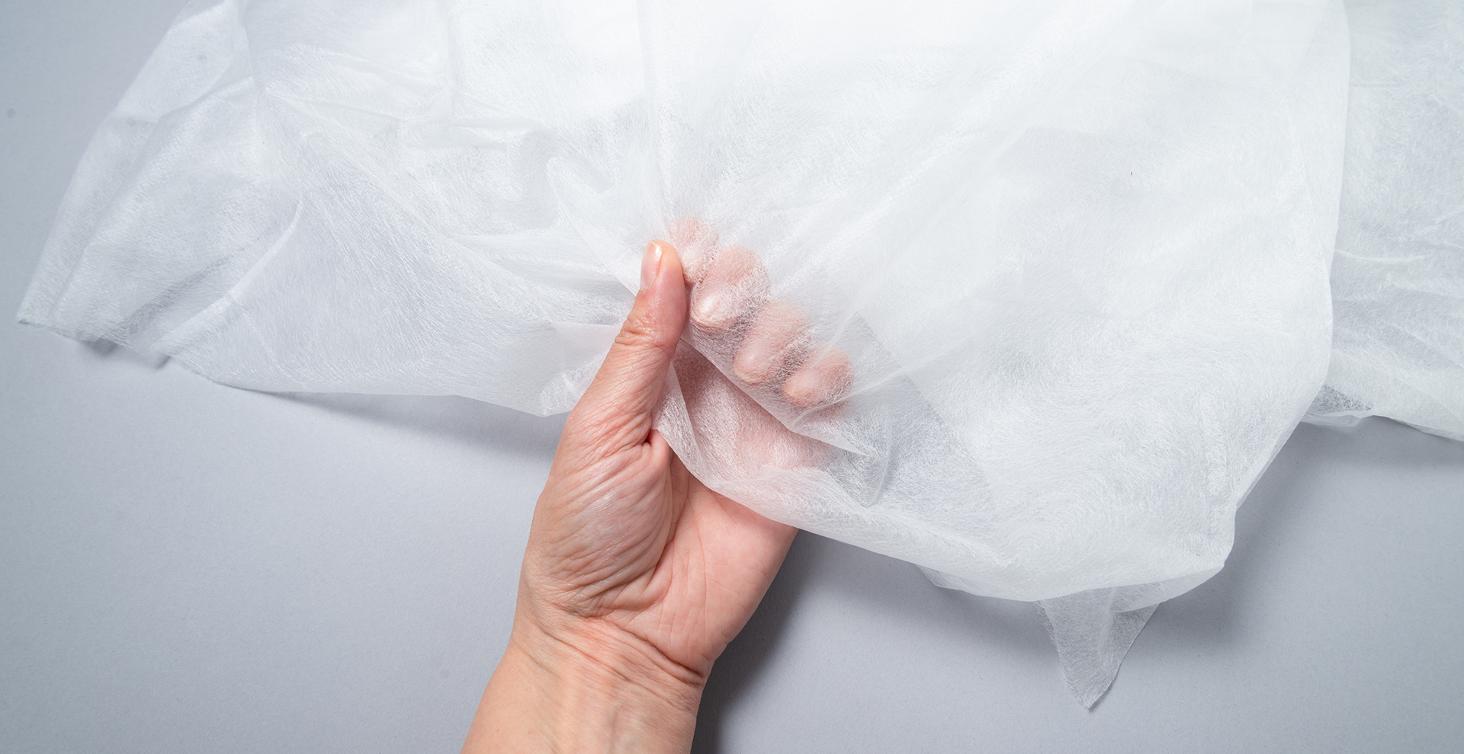
Melt-blown nonwovens are created by extruding thermoplastic polymers into ultra-fine fibers that are deposited into a web. This structure results in several critical advantages for air filtration:
- High surface area: Fine fibers create dense, tortuous pathways that trap particles efficiently.
- Electrostatic charge retention: Many melt-blown filters use electrostatic attraction to capture particles smaller than 0.3 microns.
- Versatility: Material thickness and fiber diameter can be customized for specific filtration requirements.
These properties allow melt-blown nonwovens to outperform conventional nonwoven fabrics or woven filters in both efficiency and lifespan.
Key Features of Melt-Blown Nonwovens in Air Filtration
| Feature | Benefit |
|---|---|
| Fine fiber diameter (1–5 µm) | Captures ultrafine particulates |
| High porosity | Maintains airflow while filtering |
| Electrostatic charge | Traps submicron particles efficiently |
| Lightweight & flexible | Easy integration into multi-layer filters |
| Customizable thickness | Enables tailored performance for specific applications |
By combining these features, manufacturers can produce filters that meet demanding standards without significantly increasing operational costs.
Performance Metrics: Filtration Efficiency and Pressure Drop
Two critical metrics define the effectiveness of any air filter:
- Filtration efficiency: Percentage of particles removed from the airflow. Melt-blown nonwovens can achieve ≥95% efficiency for PM2.5 and even smaller particles.
- Pressure drop: The resistance to airflow. A higher pressure drop increases energy consumption and reduces HVAC efficiency, so an optimal filter must balance efficiency with low resistance.
Industry Insight: Many facilities mistakenly prioritize filtration efficiency alone, leading to higher energy costs and reduced system lifespan. Melt-blown nonwovens allow for high filtration performance without excessive pressure drop, providing a more sustainable and cost-effective solution.
Melt-Blown Nonwoven in Industrial and Medical Applications
Melt-blown nonwovens are widely adopted across industries that require precise and reliable filtration.
Industrial Filtration
In chemical processing and manufacturing, airborne particulates such as dust, fibers, and fine powders can impact product quality and worker safety. Melt-blown filters are used in:
- HVAC systems for cleanroom environments
- Dust collectors for heavy industry
- Industrial machinery requiring fine particulate control
Medical Filtration
Healthcare applications demand extremely high standards for airborne pathogen control. Melt-blown nonwovens are the core material in surgical masks, respirators, and air purifiers, where capturing ultrafine particles is critical.
- N95 respirators rely on electrostatically charged melt-blown layers to trap ≥95% of airborne particles.
- Hospitals use melt-blown-based HEPA filters in critical care areas to reduce infection risks.
Emerging Trends and the Future of High-Performance Air Filters
The air filtration industry is evolving rapidly. Several trends are shaping future demand:
- Sustainable Materials: Manufacturers are exploring recyclable or bio-based polymers for melt-blown production.
- Advanced Multi-Layer Filters: Combining melt-blown with spunbond or nanofiber layers improves performance and durability.
- Smart Filtration: Sensors and IoT integration are enabling real-time monitoring of filter efficiency and lifespan.
- Global Standards Alignment: New regulations in healthcare, food, and semiconductor industries are pushing for higher efficiency and reliability.
These trends indicate that companies investing in customized, high-performance melt-blown nonwoven solutions will gain a competitive advantage in efficiency, compliance, and sustainability.
Partnering with Ace Green for Customized Melt-Blown Filter Solutions
For organizations looking to implement or upgrade air filtration systems, Ace Green offers specialized expertise in melt-blown nonwoven production. Key capabilities include:
- OEM manufacturing: Tailored production runs to meet unique industry specifications.
- Material customization: Adjustable fiber diameter, thickness, and electrostatic properties for specific filtration requirements.
- High-quality assurance: Advanced testing and QA processes ensure consistent performance and compliance with international standards.
- Sustainable production options: Support for eco-friendly and recyclable polymer solutions.
By collaborating with Ace Green, industries can leverage state-of-the-art melt-blown nonwoven filter to meet rigorous filtration demands efficiently and reliably.
Achieving Cleaner Air and Operational Efficiency
In conclusion, melt-blown nonwoven fabrics are redefining air filtration standards across industries. Their combination of high filtration efficiency, low pressure drop, and material adaptability addresses the key challenges faced by modern industrial and medical environments.
Companies that invest in melt-blown solutions can expect improved product quality, enhanced worker safety, and energy-efficient operations. As the market moves toward sustainability, multi-layer designs, and smart filtration systems, melt-blown nonwovens will remain at the forefront of innovation, ensuring that air filtration continues to meet the evolving demands of industries worldwide.
Related links
- Liquid Silicone (LSR) vs Solid Silicone (HCR): Mass Production Cost Guide
- From Recycled Polymers to Circular Performance: How Eco-Friendly Yoga Mats Are Engineered for ESG Buyers in 2026
- Injection Molding vs. Compression Molding for OEM Rubber Parts: A Strategic Guide to Cost, Quality, and Scalability