Fan Capacitor Failures Demystified - Common Issues and Proven Prevention Strategies
Mar 01, 2026
Fan capacitors are critical components in industrial and consumer electronics, HVAC systems, and a wide range of motor-driven equipment. Despite their importance, capacitor failures remain a common so...
Fan Capacitor Failures Demystified: Common Issues and Proven Prevention Strategies
Fan capacitors are critical components in industrial and consumer electronics, HVAC systems, and a wide range of motor-driven equipment. Despite their importance, capacitor failures remain a common source of downtime, costly maintenance, and reduced equipment lifespan. Understanding the root causes of fan capacitor failures and implementing preventive measures is essential for maintaining reliability and efficiency in electrical systems.
Typical Causes of Fan Capacitor Failure
Fan capacitors can fail due to various factors, often related to operational stress, environmental conditions, or installation issues. Identifying these causes helps prevent unexpected breakdowns and improves overall performance.
Overheating, Voltage Spikes, and Aging
Excessive heat, voltage fluctuations, and natural aging are among the most frequent triggers of capacitor failure:
- Overheating: High operating temperatures accelerate dielectric breakdown, shortening the capacitor's lifespan.
- Voltage Spikes: Surges from the power supply or motor startup events can damage internal components.
- Aging: Over time, capacitors naturally lose capacitance and efficiency, increasing the risk of failure.
Environmental Stress and Installation Errors
External conditions and installation practices also play a significant role:
- Moisture and Humidity: Exposure to condensation or high humidity can degrade insulation and lead to shorts.
- Vibration and Mechanical Shock: Excessive vibration or misalignment during operation can physically damage capacitors.
- Incorrect Installation: Improper torque, polarity, or spacing can reduce performance and accelerate degradation.
| Failure Factor | Description | Prevention Tip |
|---|---|---|
| Overheating | Excessive temperature exposure | Use high-temperature-rated capacitors, ensure proper ventilation |
| Voltage Spikes | Power surges from grid or equipment | Install surge protection or voltage-stabilizing devices |
| Aging | Dielectric material degradation over time | Select capacitors with rated life suitable for operating hours |
| Environmental Stress | Moisture, vibration, shock | Apply conformal coating, mount securely, maintain controlled environment |
| Installation Errors | Incorrect placement, polarity, or torque | Follow installation manuals and best practices |
Addressing each factor systematically can significantly reduce the likelihood of premature fan capacitor failure.
Diagnostic Techniques and Testing
Proactive testing and monitoring help identify potential failures before they lead to downtime or equipment damage.
Capacitance and ESR Measurement
Two critical parameters for capacitor health:
- Capacitance Testing: Ensures the capacitor maintains its rated energy storage capacity. Deviations can indicate deterioration.
- Equivalent Series Resistance (ESR): High ESR signals energy loss and heat buildup, often preceding complete failure.
Routine measurement of these parameters helps detect weak components and prevent operational issues.
Predictive Maintenance Approaches
Emerging trends in predictive maintenance use data analytics and connected monitoring devices:
- Continuous Monitoring: Sensors track temperature, voltage, and vibration in real-time.
- Trend Analysis: Historical performance data can predict when a capacitor may fail.
- Maintenance Scheduling: Early replacement based on predictive insights minimizes downtime and reduces costs.
Strategies to Reduce Fan Capacitor Failures
Reducing capacitor failures requires attention to component quality, installation, and operational monitoring.
High-Quality Component Selection
Choosing capacitors with the right specifications is essential:
- Certified capacitors that meet UL, IEC, and regional safety standards
- Components with appropriate thermal, voltage, and lifetime ratings
- Capacitors designed for the intended operating environment and load
High-quality selection reduces the likelihood of failures and ensures stable performance.
Proper Installation and Monitoring
Even premium capacitors can fail if installation or monitoring is inadequate:
- Ensure correct polarity, torque, and secure mounting
- Provide adequate spacing and ventilation for thermal dissipation
- Conduct periodic inspections and real-time monitoring to detect early signs of stress
Combining quality selection with proper installation and monitoring ensures fan capacitors operate reliably over their lifespan.
How Lung Chen Supports Reliable Capacitor Solutions
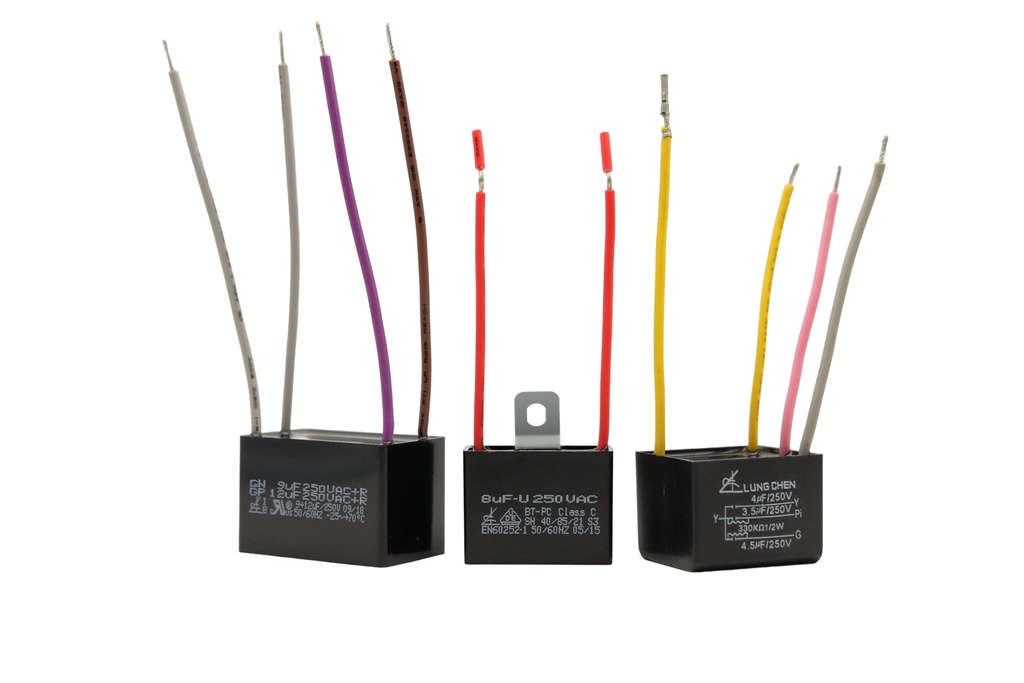
Lung Chen specializes in high-quality fan capacitors engineered for durability, efficiency, and reliability. Their expertise includes:
- Producing capacitors that meet international safety and energy efficiency standards
- Offering customized solutions tailored to specific motors and environmental conditions
- Providing support with technical documentation, testing guidance, and quality assurance
Partnering with Lung Chen can help reduce capacitor failures, optimize operational efficiency, and extend the lifespan of electrical equipment.
Ensuring Long-Term Reliability in Fan Capacitors
Fan capacitor failures can cause operational disruptions, increase maintenance costs, and affect overall system performance. Recognizing the common causes—from overheating and voltage spikes to environmental stress and installation errors—is the first step in prevention. Implementing diagnostic testing, predictive maintenance, proper component selection, and careful installation ensures capacitors operate efficiently and reliably over their expected lifespan.