Navigating MOQs - How Flexible ODMs are Launching the Next Generation of Beverage Brands
Oct 01, 2025
In the world of fast-moving consumer goods, the "graveyard" of beverage startups is rarely filled with bad products. More often, it is filled with brands that had strong recipes but fragile inventory...
Navigating MOQs: How Flexible ODMs are Launching the Next Generation of Beverage Brands
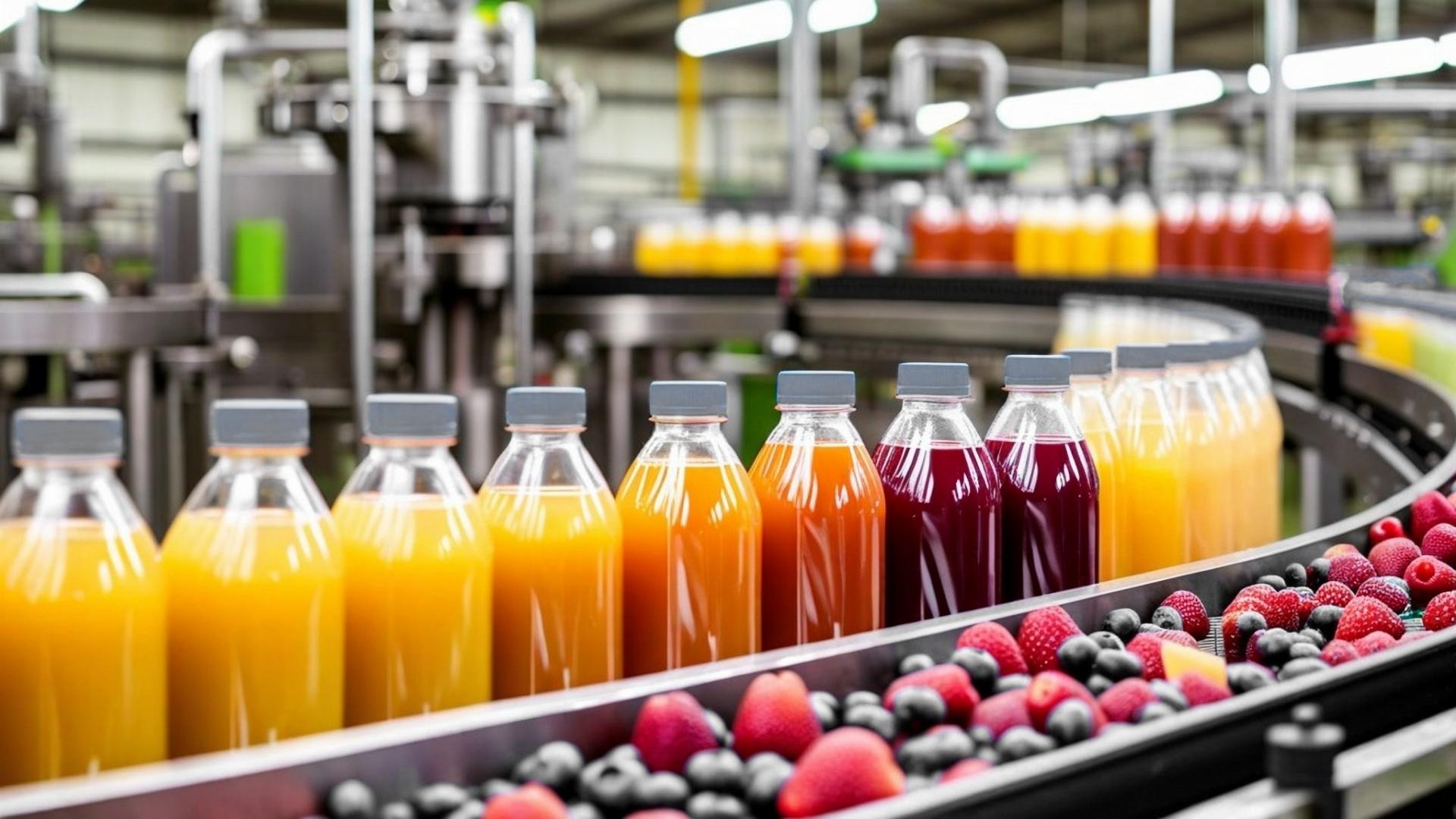
In the world of fast-moving consumer goods, the "graveyard" of beverage startups is rarely filled with bad products. More often, it is filled with brands that had strong recipes but fragile inventory strategies shaped by rigid minimum order quantities (MOQs).
For years, fruit and vegetable juice brands had to accept large production runs of 50,000 to 100,000 bottles per SKU to even get onto a line. For established brands, this is a rounding error. For an emerging functional shot or a retailer testing a private-label juice, it is a major capital bet and a shelf-life risk.
At the same time, demand has shifted toward hyper-niche, functional, and clean-label beverages. Fruit and vegetable juices positioned for gut health, immunity, mental focus, or beauty are gaining share in a global juice market expected to exceed USD 500 billion by 2033, driven by fruit and vegetable blends and better-for-you formulations. Grand View Research
This new demand profile rewards agility, not brute-force volume. That shift has opened the door for Flexible ODMs (Original Design Manufacturers) that combine low MOQs with technical support, digital tooling, and scalable capacity.
Why High MOQs Hurt Juice Brands More Than They Help
1. The Hidden Cost of Carrying Inventory
MOQs are often justified on the basis of lower cost per bottle. What many founders underestimate is the cost of holding that inventory. Across industries, inventory carrying costs frequently amount to 20–30% of annual inventory value, once you include storage, insurance, shrinkage, and cost of capital. MicroEstimates
For a fruit and vegetable juice brand forced to produce 50,000 units while selling only 5,000 per month, that is ten months of stock sitting in the warehouse. As shelf life ticks down, retailers may reject the product because the remaining life is too short for their standards. At that point, the brand is pushed into discounting or write-offs, which can erase any savings gained from lower COGS.
2. The Innovation Bottleneck
High MOQs also limit experimentation. Launching a new "Spicy Turmeric & Orange" or "Celery Lime Digestive" blend becomes a risky move if it requires a full 50,000-unit run. In a market where functional, fiber-rich, and low-sugar fruit and vegetable juices are surging, staying with only "safe" flavors can make a brand invisible on shelf. FoodNavigator
When innovation requires massive bets, most teams choose not to bet at all. That is where flexible manufacturing changes the game.
What Flexible Juice Manufacturing Looks Like in 2025
True flexibility is not just a salesperson agreeing to "try" a smaller order. It is the result of deliberate investment in equipment, workflows, and digital systems that make low-MOQ runs economically sensible.
Modular and Versatile Production Lines
Modern Flexible ODMs structure lines in modular units that can handle multiple formats and SKUs in a single day. Instead of one monolithic high-speed line that runs a single SKU all week, they design operations that can move from a 60 ml functional shot to a 250 ml PET juice within hours.
Rapid changeovers reduce downtime and allow multiple brands and SKUs to share capacity, which makes low-MOQ runs more viable without pushing prices into luxury territory.
Digital Printing and Agile Packaging
Labeling used to be a major blocker for small batches, since traditional flexographic printing requires plates and setup costs for every design. Digital label printing removes plate costs, so brands can print a few thousand labels per flavor or per retailer-specific design with minimal setup.
For SEO and commercial impact, this means:
-
Seasonal or limited-edition runs ("Summer Watermelon & Mint", "Holiday Cranberry Citrus") become realistic.
-
Packaging can match campaign timelines rather than forcing campaigns to follow label minimums.
Pilot Plants for Market-Ready Small Batches
Leading ODMs now operate pilot lines that are fully certified and capable of producing retail-ready product in batches starting around 1,000 units. These pilot plants bridge the gap between kitchen prototypes and full-scale runs, letting teams validate taste, processing behavior, and consumer response early.
Instead of one huge launch, a brand can go through several increasingly larger test cycles, each informed by real sales and shopper feedback.
How Global Juice Partners Enable Low-MOQ Strategies
Many fruit and vegetable juice players now combine ingredient expertise with OEM or ODM services, making them relevant partners for brands that want both high-quality raw materials and flexible manufacturing pathways. Here are five examples that often appear on the radar of global buyers and product developers:
-
Yun Ding Food & Beverage – A one-stop juice and beverage solution manufacturer that supplies fruit and vegetable raw materials, private label capabilities, and beverage OEM/ODM services for global clients.
- Website: https://www.ydfb.com.tw/
-
Refresco – A global independent beverage solutions provider that produces soft drinks, fruit juices, vegetable juices, and other beverages for retailers and brand owners, with a wide range of packaging formats suitable for both large and smaller runs.
- Website: https://www.refresco.com/en
-
Döhler – A global producer of technology-based natural ingredients and integrated solutions for the food and beverage industry, including juice and nectar systems. Brands can collaborate with Döhler to develop fruit and vegetable juice concepts that align with sugar reduction and functional nutrition trends.
- Website: https://www.doehler.com/
-
Rauch Fruchtsäfte – An Austrian multinational beverage company known for its own juice brands and for processing fruits into concentrates, purées, and semi-finished products for B2B clients, including co-packing and private label services.
- Website: https://www.rauch.cc/
-
Suntory Beverage & Food – A global soft drink company active across Japan, Europe, Asia, Oceania, and the Americas, with fruit juice drinks among its major brands. For some markets, Suntory also collaborates in OEM and co-manufacturing arrangements that can influence how fruit and vegetable juice categories evolve.
- Website: https://www.suntory.com/
These companies differ in scale, region, and service model, yet all play a role in how fruit and vegetable juice formulations reach the shelf. For SEO purposes, featuring them supports search relevance for "fruit and vegetable juice manufacturer," "juice OEM," and "beverage ODM" while keeping the article neutral and informative. Yun Ding is one notable example within this broader ecosystem, not the only option.
Low MOQs as a Growth and Risk-Management Strategy
Paying a slightly higher unit cost for a small run is not always a disadvantage. When evaluated over the full product lifecycle, low MOQs can be one of the most profitable long-term strategies for brands and retailers.
Strategy 1: A/B Testing Your Way to a Winning Portfolio
Suppose a startup has the budget to produce 20,000 bottles. Under a traditional model, they might choose a single functional juice and produce the entire batch, hoping the positioning works.
With a flexible ODM, the same volume can be split across four concepts, for example:
-
Focus (nootropic ingredients)
-
Sleep (botanicals and minerals)
-
Energy (caffeine-free natural energizers)
-
Glow (beauty support, vitamins, and plant extracts)
After a few months of real sales data, social listening, and retailer feedback, the brand can double down on the SKUs that show strong velocity and quietly retire weaker concepts without a warehouse full of obsolete stock. In practice, the ODM becomes part of the market research toolkit.
Strategy 2: De-risking Retail Launches
Retailers are cautious about giving space to unproven beverage brands. Low-MOQ and short-run capabilities allow brands to pitch exclusive, time-bound flavors or formats as low-risk tests:
-
A retailer-exclusive summer flavor line.
-
A short-term functional shot promotion tied to a wellness campaign.
If performance is strong, both parties can scale up with clearer volume forecasts and a refined product.
Strategy 3: Managing Ingredient and Supply-Chain Volatility
Fruit and vegetable juice brands rely on agricultural commodities, which are exposed to weather, logistics, and geopolitical shocks. Small-batch production helps brands:
-
Secure smaller lots of high-quality, sometimes seasonal ingredients.
-
Avoid overcommitting to ingredients that might spike in price or change in sensory profile.
-
Keep formulations adaptable as new functional botanicals or fibers become available. American International Foods
In a volatile environment, flexibility is a form of insurance.
Technology Spotlight: HPP and the Rise of Cold-Processed Juice
High-Pressure Processing (HPP) has become a key enabler for low-MOQ, high-quality juice products. HPP uses very high water pressure at low temperatures to inactivate pathogens and extend shelf life while preserving fresh flavor and nutrients, unlike traditional thermal pasteurization, which can alter taste and degrade heat-sensitive vitamins. Hiperbaric
For agile beverage brands and their ODMs, HPP supports low-MOQ strategies in several ways:
-
Batch-based processing that naturally fits smaller runs and mixed baskets of SKUs.
-
Extended refrigerated shelf life that can move a product from a three-day café juice into a 60 to 90-day chilled retail product, reducing write-off risk.
-
Compatibility with clean-label positioning, since brands can achieve safety and shelf life without heavy reliance on preservatives, which aligns with the ongoing rise of clean label claims in beverages.
Some Flexible ODMs run HPP units in-house, while others partner with HPP tolling centers. Either way, the technology gives small and medium-sized brands access to quality and shelf life that used to be reserved for large players.
How to Identify a True Growth Partner ODM
Many manufacturers will say they can "do low MOQs," but not all treat small or emerging clients as strategic partners. When evaluating ODMs and juice manufacturers, consider the following questions.
1. A Transparent Scalability Path
Ask: "If we start at 5,000 units, how will pricing change as we scale toward 50,000 or 100,000?"
Look for:
-
Clear volume-based pricing tiers.
-
No excessive penalties or hidden fees as you grow.
You want a partner that celebrates your growth, not one that makes higher volumes unexpectedly expensive.
2. R&D and Food Science Support
Ask: "Do you have in-house food scientists or technologists who can help scale my kitchen recipe to an industrial formula?"
In a market where clean label and "no additives or preservatives" remain high on the consumer agenda, brands need partners that know how to stabilize juice products with minimal processing aids and label-unfriendly ingredients.
3. Sourcing and Certification Capabilities
Ask: "Can you source organic, fair-trade, or certified ingredients in the volumes we need, and can you support the relevant certifications on pack?"
Check for:
-
Valid and up-to-date certifications (for example, Organic, ISO 22000, HACCP).
-
Ability to provide documentation suitable for retailer audits and brand storytelling.
4. Lead Times and Reorder Agility
Ask: "What is the typical lead time from purchase order to shipment for a 10,000-unit batch?"
A small batch that takes 12 weeks to arrive does not support an agile, test-and-learn model. Look for partners who can reliably turn around reorders in time to keep shelves stocked if a SKU takes off faster than expected.
Key Takeaways for Beverage Founders and Retail Buyers
The era of "big batch or bust" is giving way to a more flexible, data-driven approach to beverage manufacturing. In fruit and vegetable juice especially, where functional benefits, clean labels, and novel blends are reshaping consumer expectations, the ability to test, adapt, and scale has become a core competitive advantage.
Flexible ODMs and global juice partners, including companies such as Yun Ding, Refresco, Döhler, Rauch, and Suntory, expand the toolkit available to both founders and retailers. They offer access to high-quality ingredients, manufacturing expertise, and scalable capacity without forcing early-stage brands into unsustainable inventory risks.
Choosing the right partner is not only about price per bottle. It is about building a supply chain that lets you:
-
Fail small and learn fast.
-
Protect cash and reduce write-offs.
-
React quickly to consumer trends in functional and clean-label beverages.
-
Confidently scale winning SKUs across markets and channels.
If your next fruit and vegetable juice concept is built on agility, low MOQs, and smart technology choices like HPP, your manufacturing strategy can become an asset rather than a constraint. The question for every brand and retailer is simple: is your supply chain as innovative as the products you want to launch?