OEM vs ODM for Milk Tea Brands in 2026- Beginners Guide
Feb 01, 2026
The short answer for 90% of new milk tea brands: Start with ODM. It lets you launch fast, test the market with low risk, and validate demand before investing in exclusive formulas via OEM.
OEM vs ODM for Milk Tea Brands in 2026: Beginners Guide
Launching a Milk Tea Brand Without Your Own Formula in 2026? OEM vs ODM – Which Is Better for Beginners? (Pros, Cons & 2026 Trends Guide)**
 If you're planning to enter the booming bubble tea or bottled milk tea market in 2026 but lack a proprietary recipe, R&D team, or large budget, the biggest early question is: "Where do I even start?"
The short answer for 90% of new milk tea brands: Start with ODM. It lets you launch fast, test the market with low risk, and validate demand before investing in exclusive formulas via OEM.
In 2026, the global bubble tea market is projected to grow from around $3–4 billion (2025 base) toward $5+ billion by the early 2030s, driven by health-conscious innovations, functional add-ins, plant-based shifts, and caffeine-free options. Below, we break down OEM vs ODM differences, pros/cons for beginners, and how 2026 trends influence your choice—especially for procurement managers and brand owners in Taiwan, Asia, US, Europe, and beyond.
OEM vs ODM: Quick Definitions in Milk Tea Context (2026 Edition)
- OEM (Original Equipment Manufacturing): You supply the formula and specs; the manufacturer handles production, QC, and packaging. → Ideal if you already have a signature shop recipe (e.g., brown sugar or cheese foam base) ready for industrial scaling.
- ODM (Original Design Manufacturing): The manufacturer provides proven milk tea bases (black tea, oolong, matcha, fruit tea, etc.), then customizes flavor intensity, sweetness, creaminess, toppings, and branding to fit your vision. → Perfect for beginners—no formula needed; start from tested, market-proven recipes.
Beginner Pain Points vs OEM/ODM Solutions
| Your 2026 Pain Point (Common for New Founders) | OEM Solves It? | ODM Solves It? | Best for Beginners? |
|---|---|---|---|
| No formula or food technologist on team | × (Requires in-house R&D) | ✓ (Choose from catalog of bases) | ODM |
| Need to launch in 3–6 months to catch trends | × (6–12+ months for dev/validation) | ✓ (1–3 months from sample to shelf) | ODM |
| Limited budget; fear of high R&D waste | × (Higher upfront costs) | ✓ (Shared R&D; 30–50% lower entry cost) | ODM |
| Worry taste won't match local/2026 preferences (e.g., low-sugar, plant-based) | △ (You tune it, but risk failure) | ✓ (Manufacturers adapt for regional trends: reduced sugar in US/Europe, functional add-ins) | ODM |
| Want long-term exclusivity & strong IP | ✓ (You own the formula) | △ (Base shared; deep custom adds cost/time) | Switch to OEM later |
| High MOQ pressure | △ (Custom formulas often need large runs) | ✓ (Many Taiwan factories offer 500–2,000 kg low MOQ for testing) | ODM |
Why ODM Is Even Stronger for Beginners in 2026
- Faster to market: Go from idea → samples → production in weeks/months—crucial for riding 2026 trends like functional bubble tea (collagen/prebiotic pearls, adaptogen syrups like ashwagandha/lion’s mane for gut health/energy, plant-based protein toppings adding 8–12g protein/serving).
- Lower risk: Use manufacturer-validated bases (stable shelf life, cost-optimized, compliant).
- Focus on branding/marketing: Spend time on social (TikTok/Instagram viral aesthetics), channels, and stories instead of lab work.
- Taiwan advantage shines: As the bubble tea origin, Taiwan suppliers excel in tea extraction, milk foam stability, and 2026 demands—clean labels (no artificials), low-sugar formulations, plant-based milks (oat/soy/coconut trending), and export-ready certifications (HACCP, ISO, Halal for Middle East/SE Asia).
Key 2026 Milk Tea / Bubble Tea Trends to Consider When Choosing OEM/ODM
2026 shifts the game toward health, functionality, and sustainability—not just flavor variety.
- Functional & health-focused innovations: Collagen-infused pearls, prebiotic fiber for gut health, adaptogens, plant-based protein add-ins. ODM partners offer these ready-to-customize.
- Caffeine-free boom: High-margin herbal/rooibos bases for all-day/late-night sales (kids, elders, sleep-conscious consumers). Many predict this as a major profit driver.
- Low-sugar & plant-based surge: Demand for reduced sweetness (especially Europe/US), dairy-free (oat/almond/coconut milks dominant), monk fruit/natural sweeteners. ODM allows quick tweaks for local palates.
- Regional flavor adaptations:
- Asia-Pacific (Taiwan/China/SE Asia): Still classics like brown sugar milk tea, matcha, but with functional twists.
- US/North America: Low-sugar, protein-boosted, ready-to-drink formats.
- Europe: Fruit-forward, reduced sweetness, sustainable packaging emphasis.
- Emerging (Middle East/Latin America): Halal-compliant, exotic fruit blends.
- Supply chain & ambient tech: Shift to energy-efficient logistics, "zero-cook" pearls for consistency/scalability—ODM factories lead here.
- Regulatory notes: Watch sugar taxes/proposals (e.g., US states eyeing SSB taxes excluding milk-based/plant milks), stricter labeling (added sugars, nutrition claims), and export rules (FDA/EU EFSA approvals for novel ingredients). Reputable Taiwan ODMs handle compliance/testing.
When to Switch to OEM?
After 6–12 months of sales data and customer feedback from ODM launches, invest in proprietary formulas via OEM. Common path: Start ODM with 3–5 SKUs (e.g., brown sugar, matcha, caffeine-free herbal), validate winners, then develop exclusive versions for differentiation.
How to Choose a Reliable Milk Tea Powder OEM/ODM Partner in 2026 (Practical Checklist)
- Certifications: HACCP, ISO 22000, Halal, FSSC 22000—essential for export.
- Bubble tea expertise: 10+ years; understand regional prefs (e.g., US low-sugar, Asia functional).
- Sample speed/cost: ODM often provides free/low-cost 3–5 base samples.
- MOQ flexibility: 500–2,000 kg ideal for testing; supports small-batch.
- Customization depth: Adjust tea strength, creaminess, sweetness, mouthfeel; add functionals (collagen, prebiotics, adaptogens).
- Regulatory/export support: TFDA/FDA/EU compliance, shelf-life testing, clean-label guidance.
- Communication: Dedicated PM, fast response (Line/WeChat), transparent timelines.
Quick FAQs
Q: Can beginners with $50–100k budget launch a milk tea brand in 2026? A: Yes—choose ODM + low-MOQ factory; start with powder/concentrate for e-commerce/group buys/stalls. Lowest risk.
Q: Will ODM make all brands taste the same? A: Bases may overlap, but differentiation via packaging, sweetness tweaks, functionals, and marketing is huge (many mid-size brands started this way).
Q: Why choose Taiwan factories over others in 2026? A: 15–30% higher cost, but superior safety, consistency, on-time delivery, low complaint rates—especially for exports to US/Europe/Middle East.
Conclusion: Positioning Your Milk Tea Brand for 2026 Success
As the bubble tea industry evolves in 2026, the convergence of indulgence and functionality—driven by innovations like collagen/prebiotic pearls, adaptogen syrups, plant-based proteins, and ambient-ready technologies—offers exciting opportunities for new brands. Taiwan's suppliers continue to lead with clean-label expertise, regulatory compliance (HACCP, Halal, export-ready), and flexible ODM customization that aligns perfectly with global demands for low-sugar, caffeine-free, and health-focused options.
For first-time founders without a proprietary formula, starting with ODM remains the smartest, lowest-risk path: validate concepts quickly, gather real customer data, and build momentum before transitioning to OEM for true differentiation.
The future of milk tea lies in balancing authentic Taiwanese roots with forward-thinking adaptations—whether you're targeting Asia-Pacific classics, US low-sugar trends, or European sustainable preferences. Stay informed on emerging regulations (e.g., sugar taxes, clean-label mandates) and prioritize partners with proven R&D and supply chain resilience.
By choosing the right model and staying ahead of these trends, even brands starting from zero can carve out a competitive edge in this dynamic $3–5+ billion market.
Recommended Taiwan Milk Tea Raw Material Suppliers (2026 Focus)
Taiwan remains a global hub for bubble tea innovation, with many suppliers offering strong ODM/OEM capabilities, low-MOQ options for testing, and support for new brands. Here are a few well-regarded ones that can help beginners launch or scale:
-
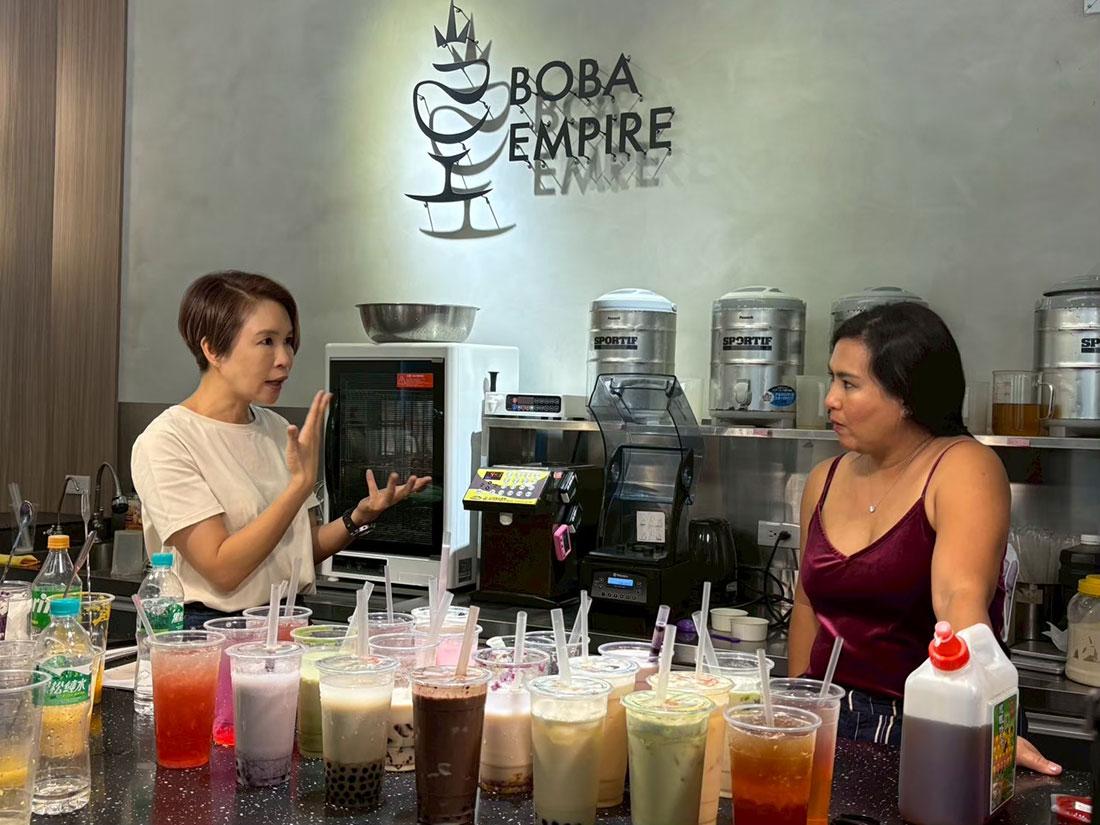
Boba Empire With over 22 years in the international bubble tea market, they provide comprehensive OEM/ODM services for milk tea powders, including custom R&D, small-batch customization, flavor development (e.g., health-focused low-sugar or functional options), and even store-opening guidance/training. Ideal for new brands needing one-stop solutions from raw materials to market entry support, plus export-ready certifications and retail product development (e.g., RTD or instant kits).
-
Allwin Food A specialized food powder manufacturer in southern Taiwan, focusing on OEM/ODM customized milk tea powders, milk foam powders, and related items. They offer end-to-end services: formulation development based on market trends, flavor adjustments (e.g., chai, chocolate, or regional preferences), packaging options, strict quality control, and global export support. Great for beginners seeking tailored powders that match brand identity with visible quality from dev to shipping.
-
Dong Jyue A leading tea company offering OEM/ODM tea solutions, including flavored bubble tea powders, custom blending, and full supply chain from tea selection to packaging. They emphasize high-quality, consistent products with customization for unique flavors and business needs, plus support for wholesale partners. Helpful for new store owners wanting premium Taiwanese tea bases combined with modern bubble tea add-ins.
These suppliers exemplify Taiwan's strengths in innovation and reliability—many provide sample requests, trend-aligned formulations (e.g., plant-based or functional), and flexible production to suit startups. Always verify current MOQs, certifications, and lead times directly via their sites for your specific market.