Why Fruit-Forward Bubble Tea Is Winning Global Menus: Ingredient Strategies for Modern Beverage Brands
Apr 13, 2026
Explore why fruit-forward bubble tea ingredients are gaining momentum in global markets, how beverage brands can respond, and what buyers should look for in syrups, juices, toppings, and supply partners.
Why Fruit-Forward Bubble Tea Is Winning Global Menus: Ingredient Strategies for Modern Beverage Brands
Fruit-forward bubble tea is no longer a niche variation of traditional milk tea. Across mature and emerging beverage markets, brands are seeing the same shift: more consumers are looking for lighter, brighter, and more refreshing drink options that still deliver customization, texture, and visual appeal, which creates both an opportunity and a challenge.
This is why fruit-forward bubble tea ingredients are growing in global markets. They help beverage businesses answer several pain points at once: broadening customer appeal, refreshing menu perception, improving seasonal flexibility, and creating drinks that are easier for first-time bubble tea consumers to understand and order.
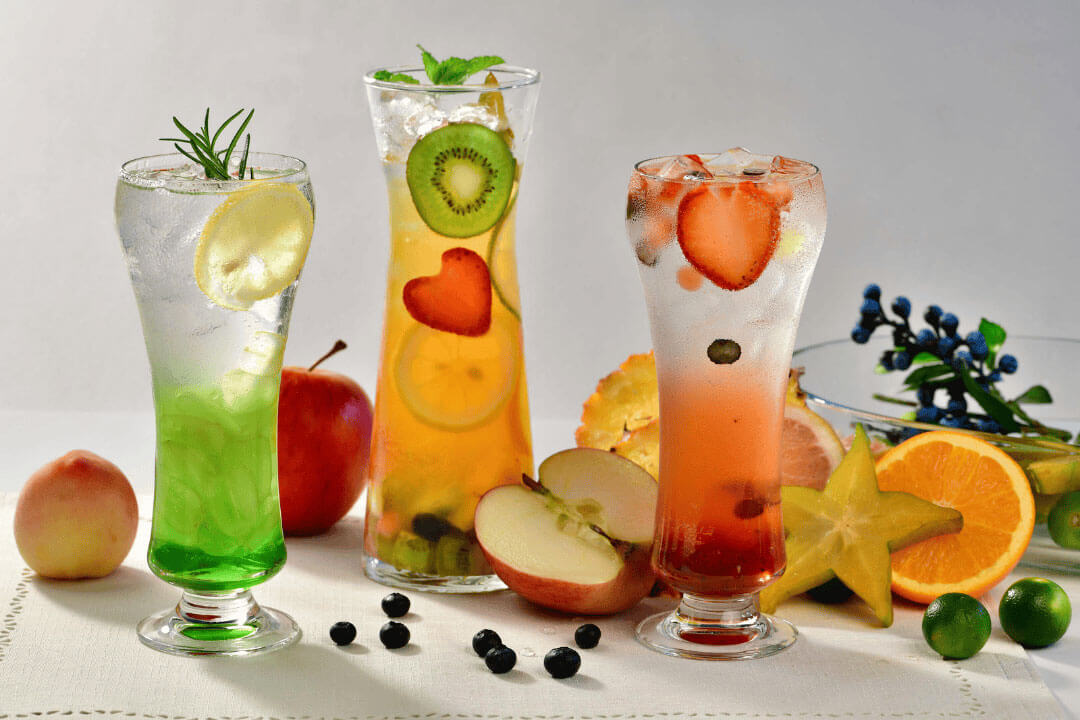
The Shift From Heavy Milk Tea to Lighter Flavor Profiles
Traditional milk tea remains a foundational category, but many markets are expanding beyond it. Consumers who once associated bubble tea mainly with creamy, sweet, and heavier drinks are now also looking for fruit tea, sparkling tea, and other cold beverages that feel fresher and easier to drink throughout the day.
Seasonal Appeal
Fruit-forward drinks fit naturally into warm-weather promotions, limited-time launches, and seasonal menu refreshes. Mango, passion fruit, lychee, peach, strawberry, and citrus profiles are easier to position in spring and summer campaigns, while berry and tropical combinations can continue performing well year-round in many regions. For operators, this creates a more flexible innovation pipeline than relying only on classic milk tea variants.
Broader Consumer Acceptance
Lighter flavor profiles also reduce the entry barrier for new customers. In many overseas markets, first-time buyers may not immediately understand traditional milk tea flavor depth, sweetness levels, or chewy tapioca texture. Fruit-based options are easier to recognize. A customer who may hesitate over a brown sugar milk tea often feels more confident ordering a peach fruit tea, mango green tea, or strawberry sparkling tea. That familiarity matters when brands are trying to expand beyond core bubble tea fans.
What Counts as a Fruit-Forward Bubble Tea Ingredient Strategy
A fruit-forward menu is not built around a single ingredient. It requires a coordinated ingredient system that supports flavor, color, texture, speed of preparation, and repeatable quality.
Concentrated Fruit Juice
Concentrated fruit juice is often used to build a stronger fruit identity in beverages. It can help brands create drinks with more natural fruit perception and support products positioned closer to premium fruit tea or juice-based menu items. In beverage processing, concentrated fruit juice can also offer flexibility when brands want to fine-tune sweetness, pulp character, and flavor intensity.
Flavored Syrups
Flavored syrups remain essential for many operators because they are efficient, versatile, and easy to standardize. They support fast service, recipe repeatability, and broad flavor development. For chains and multi-location businesses, syrups are often the backbone of scalable fruit beverage programs because they simplify training and reduce drink-to-drink variation.
Fruit Teas and Fruit-Based Toppings
Fruit teas, popping boba, jellies, and other fruit-based toppings help complete the category. They add texture, visual energy, and menu differentiation. More importantly, they allow brands to create layered products rather than simple sweetened tea. This matters in competitive markets where visual distinctiveness and perceived customization influence purchase decisions.
Before moving into specific pairings, it helps to compare what each ingredient type usually contributes.
| Ingredient Type | Main Role | Business Advantage | Common Use Case |
|---|---|---|---|
| Concentrated Fruit Juice | Builds Fuller Fruit Profile | Premium Positioning And Flavor Depth | Fruit Tea, Specialty Beverages |
| Flavored Syrup | Adds Sweetness And Flavor Efficiently | Fast Operations And Consistency | Standardized Chain Recipes |
| Popping Boba / Fruit Toppings | Adds Texture And Visual Appeal | Stronger Social And Menu Appeal | Signature Drinks, Younger Audiences |
| Tea Base | Provides Structure And Balance | Cost Control And Flavor Layering | Black Tea, Green Tea, Jasmine Tea |
Why This Trend Works Across Different Regions
Fruit-forward bubble tea performs well globally because it adapts more easily than many traditional formats.
Easier Entry For New Consumers
Fruit flavors are universally easier to communicate. Even when local drinking habits differ, flavors such as mango, lemon, peach, grape, berry, and passion fruit are recognizable and easy to merchandise. This lowers menu friction and helps new customers order with confidence.
Strong Visual And Social Appeal
Colorful drinks with layered fruit tones, clear cups, and bright toppings perform well in digital-first food culture. Social sharing is not the only growth driver, but it matters. A drink that looks fresh, colorful, and modern has a stronger chance of being noticed both in-store and online.
Flexible Adaptation For Cafés And Chains
Fruit-forward drinks are also operationally flexible. A café can use them to add seasonal specials without rebuilding the whole menu. A chain can standardize them across locations. A distributor can position them for different customer segments, from youth-oriented beverage shops to mainstream cafés and dessert stores.
Ingredient Combinations That Support Fruit-Forward Menus
Ingredient pairing is where many beverage teams struggle. A concept may look attractive on paper but fail in real store conditions because the drink becomes too sweet, visually unstable, or difficult to prepare consistently.
Tea Plus Fruit Syrup
This is one of the most practical combinations for scalable menus. Tea provides balance, while syrup adds recognizable fruit character and sweetness. It works well for high-volume stores that need speed and control.
Juice Plus Popping Boba
This combination supports premium fruit tea and visually driven signature drinks. It is especially effective when brands want to highlight freshness, texture contrast, and category differentiation.
Sparkling And Cold Beverage Variations
Sparkling fruit tea and other cold beverage variations help bubble tea brands reach customers who want lighter, less creamy alternatives. They also allow brands to compete more directly with cafés, juice bars, and modern ready-to-drink concepts.
Turning Fruit Trends Into Commercially Viable Menus
SunnySyrup is positioned to support brands that need both product variety and commercialization support. Its portfolio includes concentrated juice and syrups, popping boba, tapioca pearls, and other beverage ingredients, while its OEM/ODM capabilities help buyers customize flavors, packaging, and labeling for different markets. With experience in export processes and food safety certifications, SunnySyrup can also support businesses that need fruit-forward products aligned with operational and international trade requirements.
Fruit-forward bubble tea is growing globally because it solves real business problems. It helps brands attract first-time buyers, refresh menu perception, expand seasonal offerings, and create beverages that are easier to localize across markets. But growth in this category depends on more than trend awareness. It requires the right balance of concentrated juice, syrups, tea bases, toppings, visual design, and supply reliability. For beverage businesses that want fruit trends to become long-term revenue drivers instead of short-lived experiments, the real priority is building a menu system that is appealing, repeatable, and ready to scale.