Aug 24, 2026
How to Choose the Right Knitwear Manufacturer for Your Fashion Brand
Choosing a knitwear manufacturer is a product decision—not just a sourcing decision
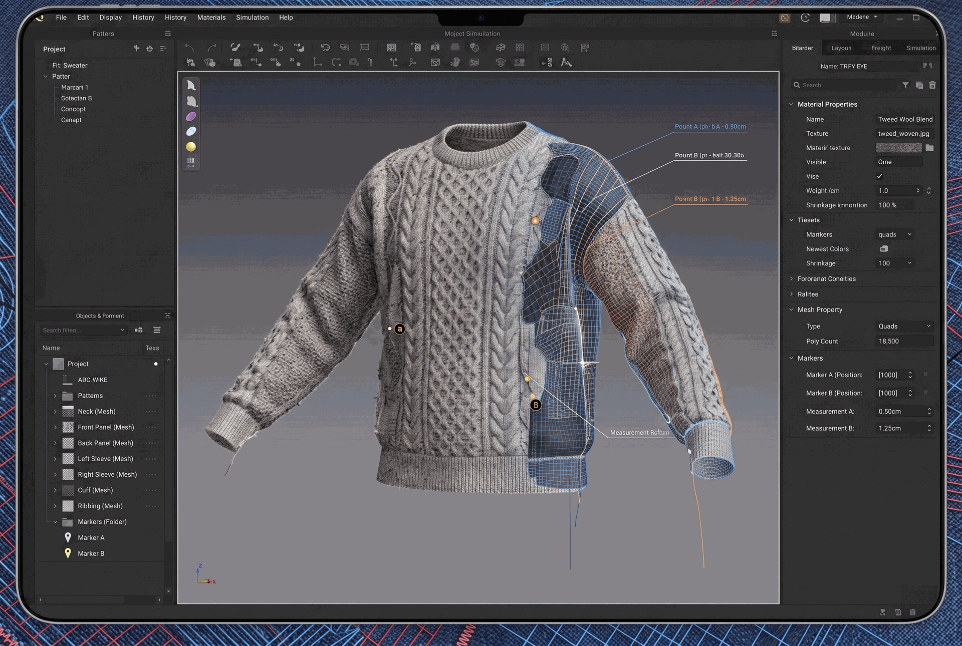
The right knitwear manufacturer does more than convert a design into a finished garment. It influences the hand feel of the product, the consistency of sizing, the feasibility of the design, the reliability of sampling, the efficiency of production and the credibility of sustainability claims.
For fashion brands, this means supplier selection should go beyond comparing unit prices. A manufacturer may offer an attractive quotation but lack the yarn knowledge, development process, quality systems or production flexibility needed to deliver the product at the required standard. Conversely, a technically capable partner can help identify problems earlier, reduce unnecessary revisions and make a product easier to scale.
A practical evaluation should cover six areas: knitwear expertise, yarn and material control, product development, quality assurance, production capability, and responsible manufacturing evidence.
1. Start with the manufacturer’s knitwear expertise
Knitwear is not simply cut-and-sew apparel made from a different material. The choice of yarn, gauge, stitch structure, tension, finishing method and garment construction all affect the final result. A supplier that mainly specializes in woven garments may not be the best fit for a technically demanding knitwear collection.
When reviewing a potential manufacturer, ask whether it has experience with the type of product your brand is developing. Relevant examples may include sweaters, knit shirts, polos, cardigans, fine-gauge garments, coarse-gauge garments, accessories or specialized knitwear.
The most useful evidence is not a broad statement such as “we produce all kinds of apparel.” Ask for specific examples of similar products, including the construction, yarn type, gauge, target market and production challenges involved. A strong supplier should be able to explain not only what it has made, but also why particular technical choices were made.
Questions to ask
| Evaluation area | Questions for a potential manufacturer |
| Product experience | Have you produced similar knitwear categories before? |
| Technical range | Which gauges, structures and finishing methods can you support? |
| Market experience | Have you worked with brands selling in our target market? |
| Development support | Can your team advise on construction, materials and feasibility? |
| Portfolio evidence | Can you show relevant samples or explain comparable projects? |
A manufacturer with a clear knitwear specialization can often contribute earlier in the development process. That contribution is valuable because many production problems begin before the first sample is made.
2. Evaluate yarn and material control
Yarn selection affects more than appearance. It can influence comfort, warmth, durability, pilling, stretch recovery, color behavior, cost and the perceived quality of the finished garment. For this reason, brands should understand how a manufacturer manages yarn sourcing and material development.
Some manufacturers work with a narrow range of standard materials. Others can support a broader selection, including natural fibers, functional fibers, blended fibers, fine-spun yarns, semi-worsted yarns, woolen yarns and fancy yarns. Neither approach is automatically better; the important question is whether the supplier can match material selection to the product brief and explain the trade-offs.
For example, a brand developing a lightweight premium knit may prioritize fineness, softness and surface appearance. A brand developing an outdoor or travel product may care more about resilience, warmth, weight and easy-care performance. The manufacturer should help connect these product requirements to realistic yarn choices.
A useful yarn review framework
Before approving a material, discuss five points:
1.Product purpose: What climate, season and use case is the garment designed for?
2.Performance: Which properties matter most—softness, warmth, stretch, durability, breathability or easy care?
3.Appearance: What surface, texture, luster and color effect should the garment have?
4.Manufacturing behavior: How will the yarn behave during knitting, linking, washing, dyeing and finishing?
5.Commercial fit: Can the material meet the target cost and expected production scale?
UKL presents vertical yarn integration as one of its manufacturing advantages, covering material development through final quality control. For brands evaluating UKL, the next step should be a detailed discussion of which yarn categories, blends and material development services are available for the specific project.
3. Examine the product development and sampling process
A supplier’s development process often reveals more than its sales presentation. Brands should understand what happens between the first inquiry and the approval of a production sample.
A clear workflow normally begins with requirement discussion, followed by design and development, sampling, refinement and bulk production. Each stage should have defined inputs, outputs and approval responsibilities. If these steps are unclear, small misunderstandings can become expensive revisions later.
The brand should prepare a complete product brief covering the design reference, measurements, intended fit, yarn preferences, color direction, target price, expected quantity, market requirements and desired delivery window. The manufacturer should then identify missing information and flag technical risks before development begins.
What to review in the sampling process
| Stage | What the brand should confirm |
| Requirement discussion | Are the design intent, target customer and commercial constraints understood? |
| Design and development | Who converts the concept into a technically workable product? |
| First sample | Which points will be reviewed—fit, gauge, hand feel, color, construction and finishing? |
| Refinement | How are comments recorded, prioritized and approved? |
| Pre-production approval | Which sample, measurements and specifications become the production reference? |
Digital tools can also improve the early development process. UKL states that it uses APEX4 and CLO 3D design systems to support prototyping and tailored production workflows. These tools do not eliminate the need for physical validation, but they can make design communication clearer and help teams review ideas before committing to every physical sample.
When comparing suppliers, ask to see the actual approval workflow rather than accepting a general promise of “fast development.” A reliable process is measurable: comments are documented, revisions are traceable and the approved version is clear to everyone involved.
4. Look beyond final inspection when evaluating quality
Quality assurance should begin with the material and continue through production. A final inspection is important, but it should not be the only quality activity in the process.
For knitwear, quality discussions may include yarn consistency, gauge, dimensions, stitch appearance, tension, color, seams, trims, finishing, labeling, packaging and garment performance. The precise inspection criteria will depend on the product and the brand’s standards, so the manufacturer and buyer should agree on the specifications before bulk production.
Ask the supplier how it records quality issues, who has authority to stop or correct production, and how feedback from one production run is carried into the next. A manufacturer that can explain its quality process in practical terms is easier to manage than one that relies only on broad claims such as “high quality.”
UKL describes its manufacturing model as combining automated production lines, real-time quality control and smart warehousing. During supplier assessment, brands should ask how these systems are applied to the specific product category and what records or checkpoints can be shared during development and production.
5. Assess production flexibility, not just production scale
The largest factory is not always the best partner. The right production setup depends on the brand’s product complexity, order profile, quality expectations, market requirements and growth plans.
A supplier should be able to explain how it manages changes in demand, new product development, material availability, quality issues and production location. UKL presents a multi-country production footprint involving Taiwan, China, Cambodia and Indonesia on its website, while another homepage section also mentions Vietnam. Brands should request the current, project-specific production location and confirm which facilities are available for their order before making a sourcing decision.
Production flexibility can include several different capabilities:
| Type of flexibility | Why it matters |
| Product flexibility | The supplier can support different knit structures, materials or garment categories. |
| Development flexibility | The team can work through revisions without losing specification control. |
| Volume flexibility | The supplier can explain how it handles the brand’s expected order size and future growth. |
| Location flexibility | The brand can understand the advantages and constraints of the proposed production base. |
| Communication flexibility | Design, technical and commercial teams can resolve questions quickly and clearly. |
Do not assume that a multi-country footprint automatically guarantees shorter lead times or lower costs. Those outcomes depend on the specific product, location, capacity, materials, compliance requirements and logistics plan. A responsible manufacturer should explain the conditions rather than make universal promises.
6. Verify sustainability claims with evidence
Sustainability is now part of supplier evaluation, but a sustainability claim is only useful when its scope is clear. Brands should ask whether a claim applies to a material, a product, a facility, an organization or a specific production process.
Useful questions include:
•Which certification or verification supports the claim?
•What organization issued it, and when was it issued?
•Which material, facility, product or process does it cover?
•What methodology was used for environmental calculations?
•Can the supporting document be reviewed by the buyer or an auditor?
•Which claims can be used in consumer-facing communication, and which are for internal sourcing evaluation only?
UKL’s ESG page describes B Corp certification obtained in 2024, an ISO 14064-1:2018 organizational greenhouse gas inventory, ISO 14067:2018 product carbon footprint verification for pineapple leaf fiber, and applications of recycled and bio-based materials. These are useful starting points for a due-diligence conversation, but brands should still verify the current certificates and the precise boundaries of each claim before publishing product communications.
The objective is not to select a supplier because it uses the word “sustainable” most often. The objective is to find a partner that can explain materials, processes, measurements and limitations with transparency.
7. Compare suppliers using a weighted scorecard
Once the initial conversations are complete, use a scorecard rather than relying on the lowest quotation or the most polished presentation. The weighting should reflect the brand’s priorities.
| Evaluation category | Suggested weighting | Example criteria |
| Knitwear expertise | 25% | Relevant product experience, technical range, construction knowledge |
| Product development | 20% | Sampling workflow, technical communication, digital prototyping |
| Yarn and materials | 15% | Material range, yarn development, consistency and traceability |
| Quality assurance | 15% | In-process controls, inspection criteria, corrective action |
| Production fit | 15% | Capacity suitability, location, flexibility and communication |
| Sustainability evidence | 10% | Current certificates, verification scope and transparent documentation |
The percentages are a starting point, not a universal formula. A premium brand may assign more weight to materials and hand feel. A fast-growing label may prioritize development speed and production flexibility. A brand making regulated or technical products may assign more weight to testing, documentation and compliance.
The most important point is consistency: evaluate every shortlisted manufacturer using the same questions and evidence requirements.
8. Treat the first conversation as a technical working session
The first meeting with a manufacturer should not be limited to requesting a price. Share the product concept, expected market, target customer, material direction and development concerns. Then observe how the supplier responds.
Does the team ask useful questions? Does it identify risks? Can it explain alternatives without dismissing the design intent? Does it distinguish between what is technically possible, commercially realistic and still requiring validation?
These behaviors provide an early indication of how the partnership may work after the order is placed. A manufacturer should not simply say yes to every request. It should help the brand understand the path from concept to a repeatable production result.
Conclusion: choose the partner that can support the whole product journey
Choosing a knitwear manufacturer is a decision about capability, communication and risk management. The strongest partner is not necessarily the supplier with the lowest initial quote or the broadest list of services. It is the one that can connect yarn selection, knitwear technique, digital development, sampling, quality control, production planning and responsible manufacturing into a clear working process.
Brands evaluating a new partner should begin with a specific product brief and ask for evidence at every important stage. They should also confirm the manufacturer’s current production locations, capabilities, certifications and project-specific commercial terms before making a final decision.
For brands seeking an integrated knitwear OEM/ODM partner, UKL’s OEM/ODM service covers knitwear product development and manufacturing support, while its One-Stop Solution explains the connection between design, R&D and production. Brands with a defined project can contact UKL’s team to discuss the product requirements and next steps.