How to Evaluate and Choose a Reliable OEM ODM Custom Gear Partner
Oct 01, 2025
In industries from automotive and aerospace to medical devices and industrial machinery, gears are fundamental components that dictate a system's performance, reliability, and lifespan. Selecting the...
How to Evaluate and Choose a Reliable OEM/ODM Custom Gear Partner
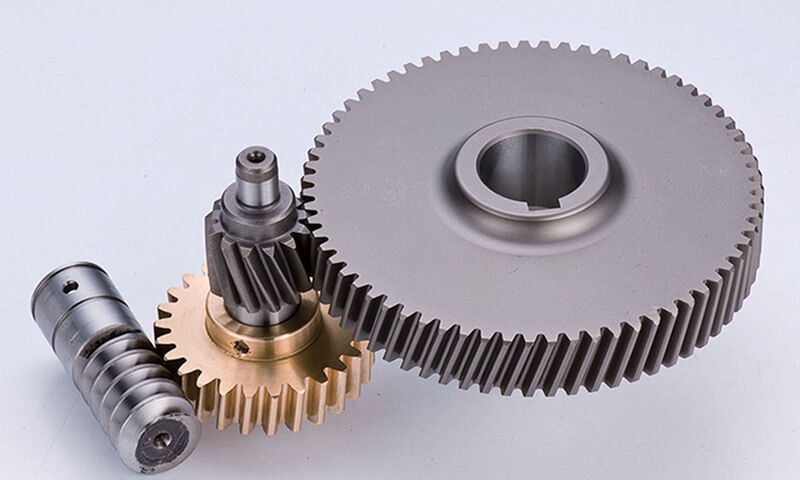
In industries from automotive and aerospace to medical devices and industrial machinery, gears are fundamental components that dictate a system's performance, reliability, and lifespan. Selecting the right manufacturing partner is not merely a procurement task; it's a strategic decision that directly impacts your product's quality, time-to-market, and overall cost. The choice often boils down to two primary manufacturing models: Original Equipment Manufacturer (OEM) and Original Design Manufacturer (ODM).
This comprehensive guide will walk you through the key factors to consider when evaluating and choosing a reliable custom gear partner, helping you navigate the complexities of OEM and ODM models to find the perfect fit for your specific needs.
Understanding the Core Manufacturing Models: OEM vs. ODM
Understanding the distinction between OEM and ODM is the first step in selecting the right partner.
- Original Equipment Manufacturer (OEM): In this model, the client is responsible for product design and specifications. The manufacturer provides production expertise, ensuring precise execution of the client’s vision. This approach is best for companies that prioritize intellectual property protection and require highly customized solutions.
- Original Design Manufacturer (ODM): Here, the manufacturer handles both design and production. Clients choose from existing designs, often applying minor branding or cosmetic adjustments. This model is suited to businesses seeking lower development costs and faster market entry.
| Factor | OEM | ODM |
|---|---|---|
| Design Responsibility | Client provides complete specifications | Manufacturer provides base designs |
| Intellectual Property | Client-owned | Manufacturer-owned |
| Customization Level | Very high | Limited |
| Upfront Investment | Higher (R&D, tooling) | Lower (absorbed by manufacturer) |
| Time-to-Market | Longer | Faster |
Technical Expertise and Manufacturing Capabilities
Once you've identified the right model, evaluate the potential partner's technical prowess. A reliable gear manufacturer must demonstrate deep expertise across various facets of production.
Key Evaluation Points:
- Gear Type Specialization: Spur gears, helical gears, bevel gears, worm gears, and rack & pinion systems each have unique use cases. Ensure your partner specializes in the type you require.
- Manufacturing Processes: From forging & casting for large gear blanks to machining (hobbing & shaping) and precision grinding, a capable partner must master multiple production techniques.
- Quality Control and Inspection: Advanced inspection tools, such as Coordinate Measuring Machines, are critical to ensure precision and reliability.
Customization and Engineering Support
For OEM partnerships, robust engineering support is a critical differentiator. Off-the-shelf gears rarely match unique requirements perfectly. A true custom gear partner should provide:
- Expert Guidance on design improvements for performance and durability.
- Design for Manufacturability to optimize production efficiency.
- Material and Treatment Expertise to recommend alloys, heat treatments, and surface finishes.
- Modularity and Flexibility for gearbox applications, such as modular flanges or couplings.
Supply Chain Management and Efficiency
Operational efficiency is often underestimated but essential.
- In-House Capabilities: End-to-end manufacturing under one roof reduces risks of miscommunication and delays.
- Reduced Risk and Faster Turnaround: Integrated production minimizes downtime and speeds up delivery.
- Cost-to-Benefit Analysis: While upfront costs may be higher, custom gears often prove more cost-effective long term by reducing maintenance, downtime, and replacements.
Leading Global OEM/ODM Gear Manufacturers
When choosing a partner, it’s important to evaluate proven leaders in the field. Below are six globally recognized companies offering OEM/ODM custom gear manufacturing services, each known for its expertise and reliability:
- KHK Gears – Specializes in spur, helical, bevel, and worm gears. Their catalog and customization capabilities make them a leader in precision gears.
- Rush Gears – A well-established American manufacturer offering custom gears with fast turnaround times, serving industrial and defense markets.
- HPC Gears – Offers both standard catalog gears and OEM/ODM customization for automotive, robotics, and medical applications.
- Orris Drive – Focused on high-quality custom gear solutions with a mix of OEM / ODM services across multiple industries.
- Boston Gear – With over 140 years in gear manufacturing, they are a trusted global OEM partner across heavy industries.
By comparing multiple reputable companies, you can benchmark capabilities, supply chain reliability, and engineering expertise to select the right strategic partner.
Strategic Takeaway: Building a Long-Term Partnership
Selecting an OEM/ODM custom gear manufacturer is a long-term strategic decision rather than a simple supplier transaction. The ideal partner is one that:
- Aligns with your business model (OEM for full design control, ODM for speed-to-market).
- Offers technical depth, precision manufacturing, and engineering support.
- Provides supply chain reliability and cost-effectiveness across the product lifecycle.
By carefully evaluating your options, including industry leaders like KHK Gears, Rush Gears, Boston Gear, HPC Gears and Orris Drive. You can establish a partnership that not only ensures the quality and performance of your gears but also strengthens your competitive advantage in the market.