Metal Forging in Contract Manufacturing- Processes, Benefits, and When to Choose Forging
Oct 01, 2025
Metal Forging Processes, Methods, and Applications | TFGUSA
Metal Forging in Contract Manufacturing: Processes, Benefits, and When to Choose Forging
 Metal Forging Processes, Methods, and Applications | TFGUSA
In the fast-paced world of contract manufacturing, selecting the right production process is crucial for optimizing costs, ensuring quality, and maintaining competitive edges in global supply chains. As a design engineer, procurement specialist, or mid-level manager involved in OEM (Original Equipment Manufacturer) or ODM (Original Design Manufacturer) projects, you're often tasked with decisions that impact everything from part durability to delivery timelines. Metal forging emerges as a powerful option for producing high-strength components, especially in industries like automotive, aerospace, and energy where reliability is paramount.
This guide explores metal forging from a contract manufacturing perspective, covering key processes (including hot, warm, and cold forging, as well as open-die vs. closed-die methods), its advantages, and comparisons with alternatives like casting and machining. We'll also discuss when to specify forging in your OEM contracts to streamline operations and enhance value. By the end, you'll have actionable insights to integrate forging into your manufacturing strategies.
The Role of Metal Forging in Contract Manufacturing
Definition and Fundamentals
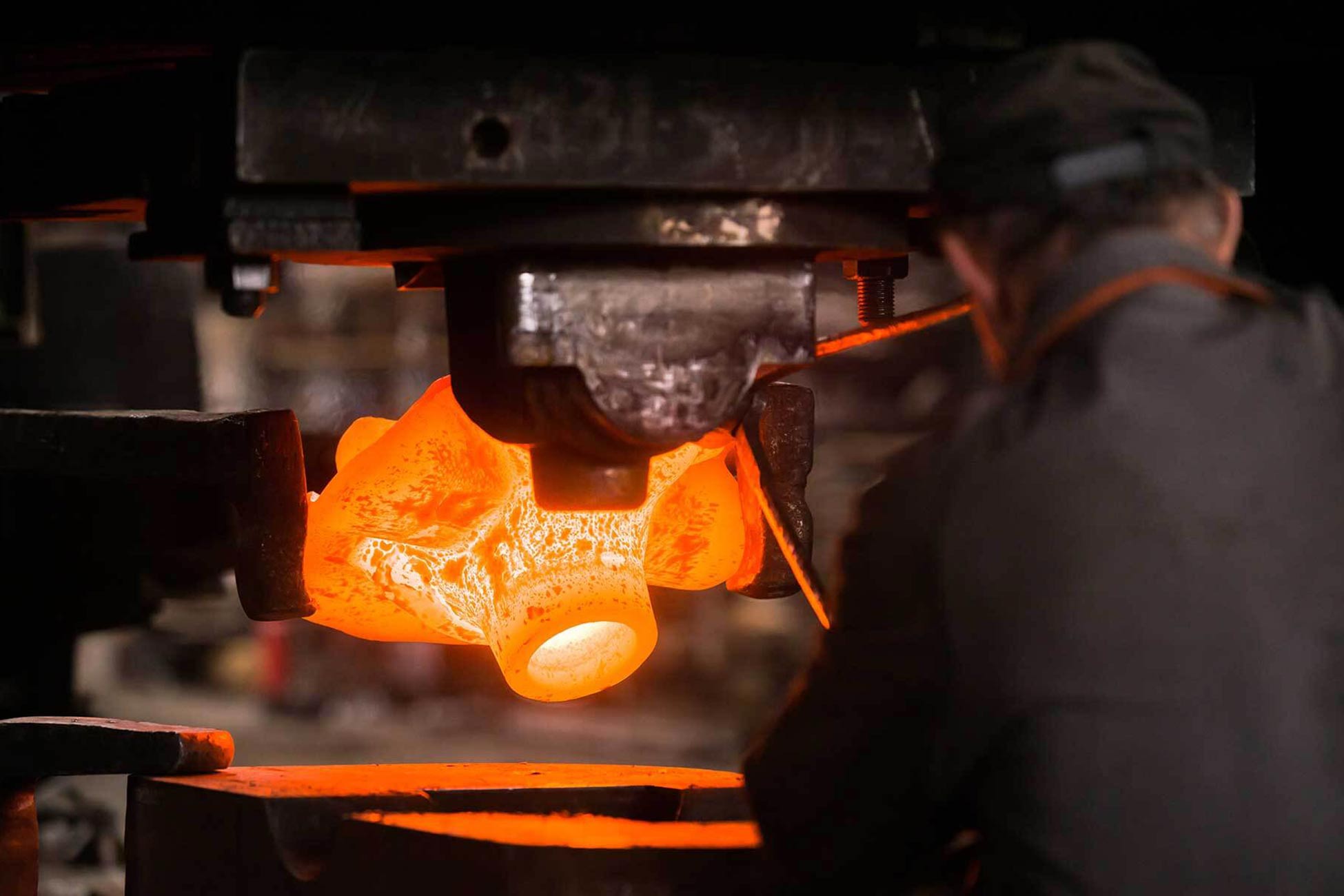
Metal forging is a manufacturing process that shapes metal through compressive forces, using hammers, presses, or dies to deform the material into high-strength parts known as forgings. Unlike casting, which melts and pours metal into molds, forging is a solid-state operation that refines the grain structure for superior mechanical properties.
In contract manufacturing, forging fits seamlessly into OEM and ODM models, where suppliers produce components to client specifications. According to the Forging Industry Association, forging is a bulk forming process that can use inputs like ingots, billets, bars, or preforms, maintaining constant volume without melting or excessive waste. This makes it ideal for outsourced production, where efficiency and material savings directly affect profit margins.
Key variables include material flow stress, friction and lubrication, temperature, and die geometry. For contract manufacturers, these factors influence tooling costs, cycle times, and scalability—critical for meeting tight OEM deadlines.
Why Contract Manufacturers Rely on Forging
Contract manufacturing often involves high-volume runs or custom parts for global brands. Forging helps transition from low-margin OEM to higher-value ODM by enabling complex, durable components. In regions like Asia's manufacturing hubs, forging integrates into supply chains to reduce lead times and minimize defects, supporting reshoring trends amid trade uncertainties.
Types of Forging Processes
Forging processes vary by temperature and die type, each offering unique benefits for contract manufacturing scenarios.
Temperature-Based Processes
Hot Forging
 Processes, Hot vs Cold, and Benefits of Forging
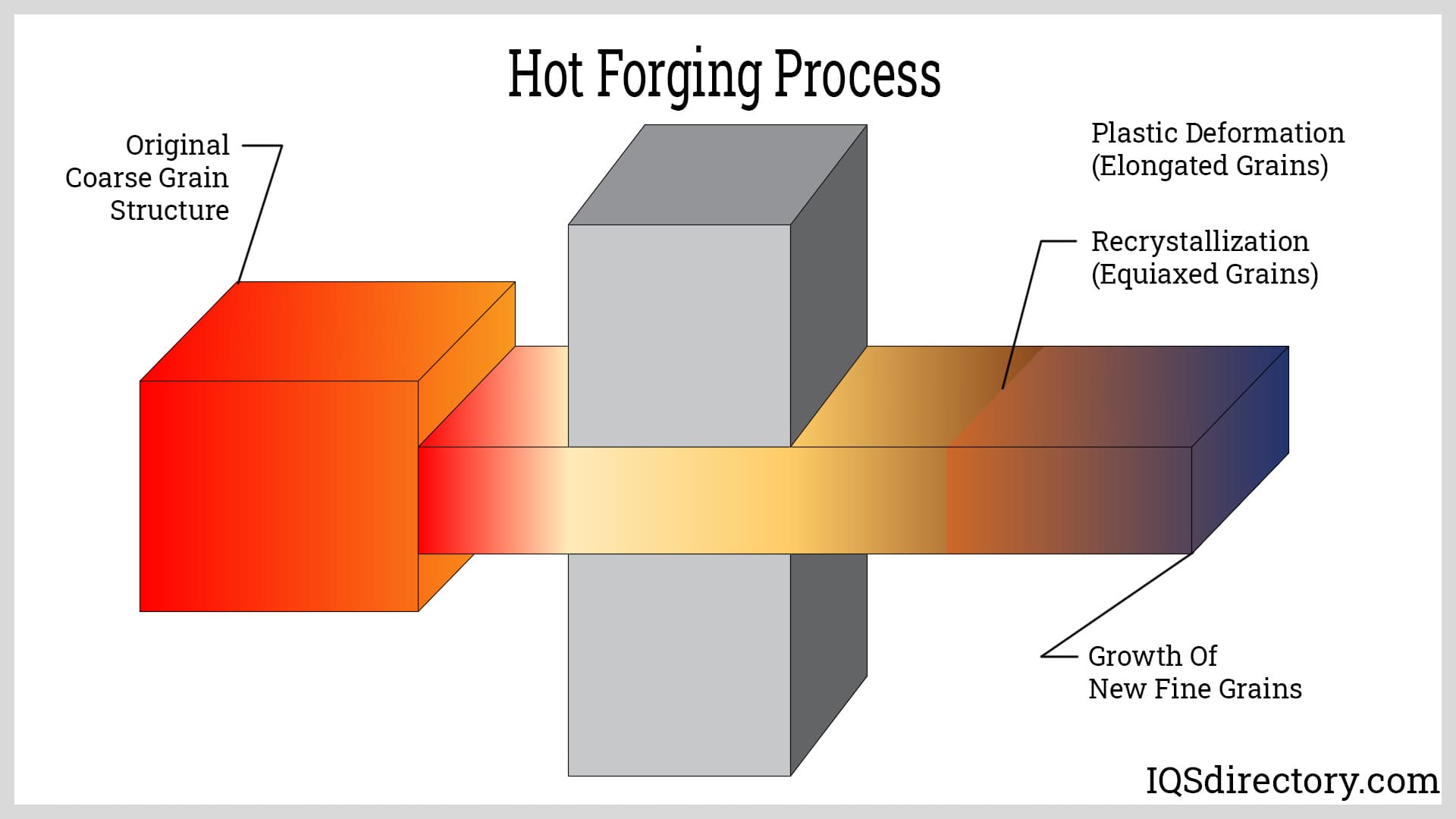
Hot forging occurs above the metal's recrystallization temperature (about 60-70% of its melting point), requiring preheating for better ductility. It excels in forming complex shapes with reduced cracking risk but may cause oxidation.
In contract manufacturing, hot forging is common for steel or titanium parts like automotive crankshafts or energy valves. It lowers force requirements, making it cost-effective for large OEM orders, though energy costs for preheating must be factored into quotes.
Warm Forging
Warm forging operates at 30-60% of the melting point, balancing energy efficiency with surface quality. It requires moderate preheating and suits alloys like aluminum.
For mid-volume ODM projects, such as medical pins, warm forging minimizes distortion and improves yield rates, helping contract manufacturers control costs in competitive bids.
Cold Forging
Cold forging is done at room temperature, yielding hardened parts with precise tolerances and smooth finishes. It demands higher pressures and may induce stresses, often needing post-forging annealing.
In high-volume contract setups, cold forging is perfect for fasteners or screws, streamlining OEM assembly lines. Its efficiency shines in automated production, reducing per-unit costs.
Die-Based Processes
Open-Die Forging
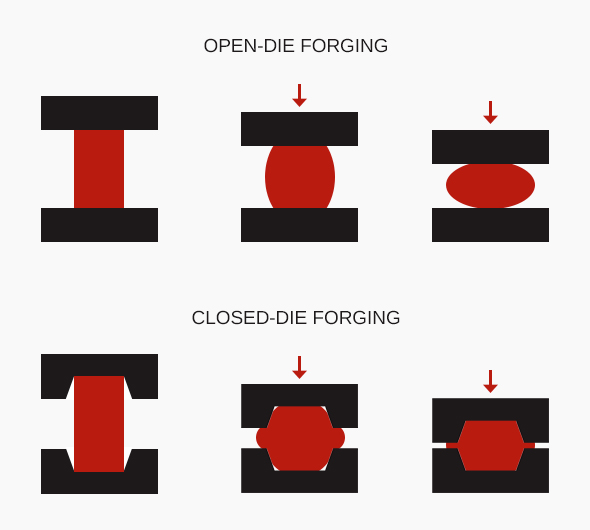
Open-die forging uses non-enclosing dies for gradual shaping through multiple strikes, ideal for simple or custom parts like shafts and cylinders.
Contract manufacturers use this for low-volume prototypes or specialized OEM requests, offering flexibility but requiring additional machining to meet tolerances.
Closed-Die Forging (Impression Die Forging)
 Closed Die Forging Diagram | Alloys International, Inc.
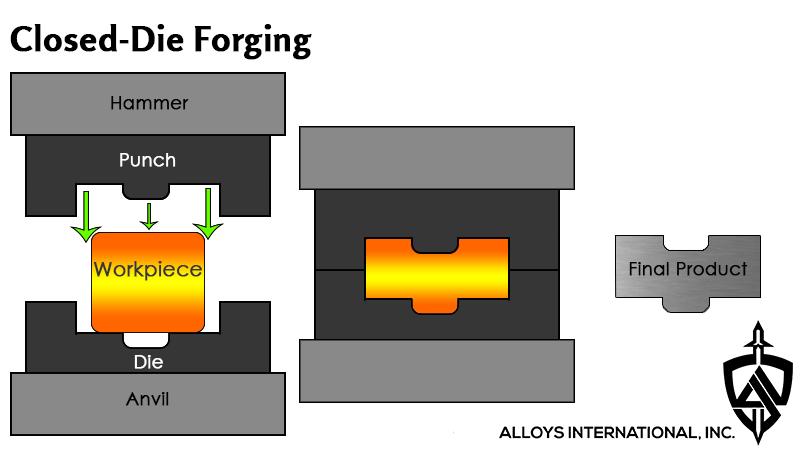
Closed-die forging employs enclosed cavities to force metal into precise shapes, often in multi-step sequences.
This is a staple in contract manufacturing for high-precision, low-waste production, such as aerospace turbine disks. It supports scalable OEM contracts, though initial die costs favor long-term partnerships.
Specialized Processes
Ring rolling creates seamless rings for power generation components, while isothermal forging handles superalloys. In contract manufacturing, these enhance product portfolios, attracting premium ODM clients.
Benefits of Metal Forging in Contract Manufacturing
Forging delivers tangible advantages that align with contract manufacturing goals.
Enhanced Strength and Reliability
The deformation process aligns grains for superior fatigue and impact resistance, essential for safety-critical OEM parts in defense or medical fields.
Material Efficiency and Waste Reduction
As a near-net-shape method, forging cuts scrap rates compared to machining, saving on expensive materials and boosting margins in competitive contracts.
Cost-Effectiveness for Scalable Production
High initial tooling is offset by fast cycles in volume runs, making forging economical for OEMs. It also allows microstructure control across ferrous (steel, iron) and non-ferrous metals (aluminum, copper).
Forging vs. Other Manufacturing Processes
 Open Die Forging vs Closed Die Forging | Find Out the Open & Closed Die Process Advantages & Disadvantages
Understanding comparisons helps in specifying forging for contract bids.
Forging vs. Casting
Forging vs. casting: Casting offers complex shapes via melting but risks porosity and lower strength. Forging provides defect-free, directional strength for high-stress applications.
In contract manufacturing, choose forging over casting to avoid quality issues, improving client satisfaction in automotive or energy sectors. Pros: Better durability; cons: Higher upfront costs.
Forging vs. Machining
Machining removes material for precision but wastes stock. Forging pre-shapes parts, preserving grain flow and reducing steps.
For OEM efficiency, forging minimizes waste and enhances properties, though it's less flexible for one-offs. Integrate with machining for hybrid solutions in supply chains.
When to Specify Forging in Contract Manufacturing
Industries and Applications
Opt for forging in parts that endure motion or loads:
- Aerospace: Landing gear, fan blades.
- Automotive: Axle shafts, gears.
- Energy: Impellers, fittings.
- Defense: Ammunition components.
- Medical: Implants, screws.
As the Forging Industry Association notes, if it moves on land, air, or sea, it likely includes forgings.
Key Considerations
- Volume: Closed-die for high; open-die for low.
- Material: Ductile metals like steel or aluminum.
- Requirements: High strength, fatigue resistance.
- Cost-Quality Balance: Prioritize long-term reliability.
Assess tolerances and post-processing; near-net forging streamlines OEM workflows.
Selecting a Reliable Forging Partner in Contract Manufacturing
Look for ISO-certified providers with advanced equipment and proven supply chain integration. Evaluate lubrication systems and quality controls to ensure consistent deliveries.
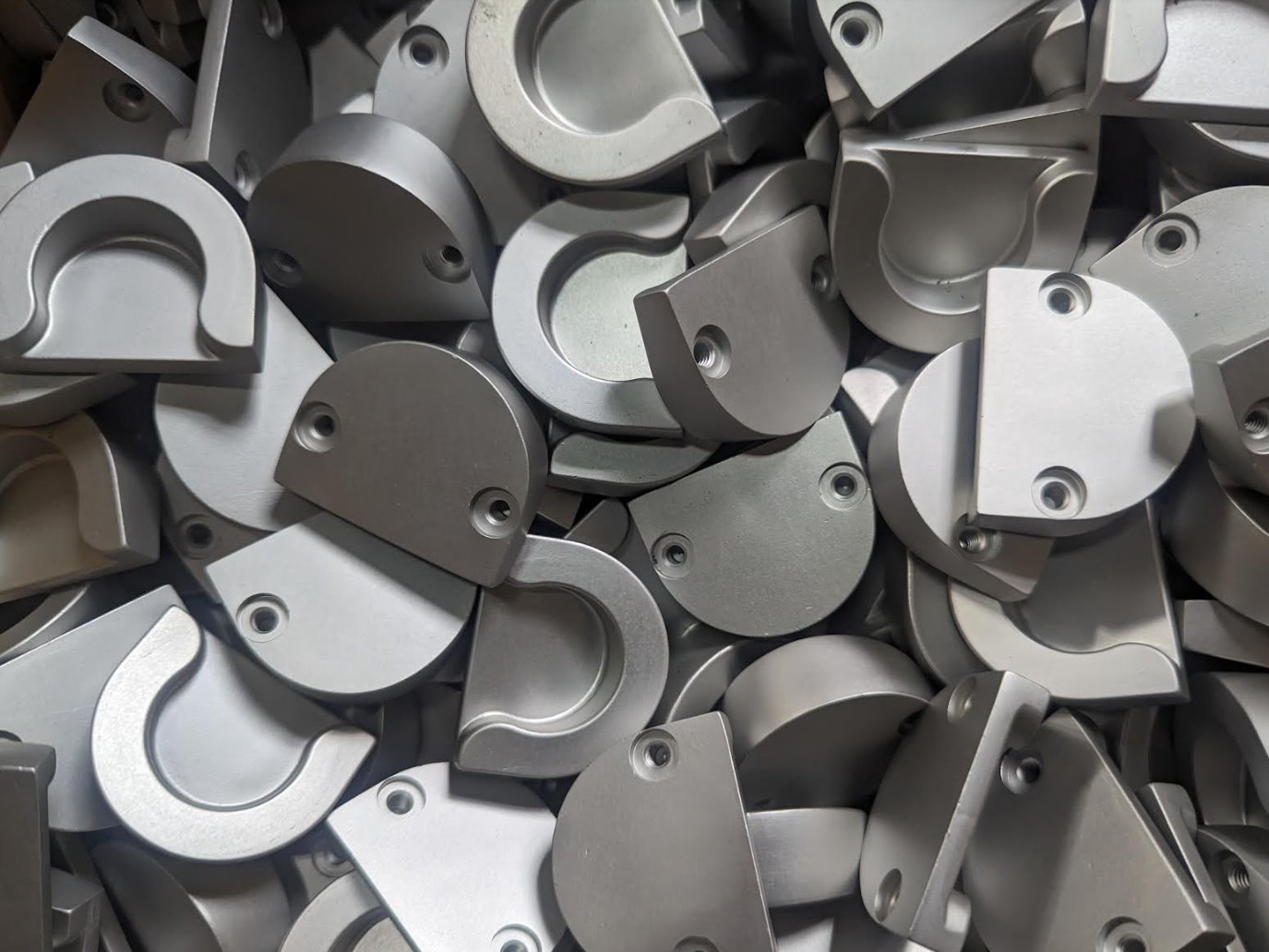
One exemplary partner is the DMS Group Taiwan, a leading provider of custom metal forging and CNC turning services. Specializing in advanced open-die and closed-die forging using both hot and cold processes, DMS delivers high-quality forged components in steel and other materials. As a one-stop OEM solution, they handle everything from prototypes to mass production, emphasizing precision, rapid turnaround, and efficiency. With expertise in industries like automotive and aerospace, DMS integrates seamlessly into global supply chains, helping clients reduce costs and enhance product reliability.
For more on forging standards, visit the Forging Industry Association (external link: https://www.forging.org).
Conclusion
In contract manufacturing, metal forging is a strategic process for delivering robust, efficient parts. By mastering hot/warm/cold and open/closed-die variants, and weighing forging vs. casting or machining, you can optimize OEM/ODM projects. Embrace forging to elevate your operations—share your experiences in the comments!