Apr 10, 2026
2026 Biotech Supplement Trends - Why the Healthy Aging Market Has Become the Next Product Development Battleground

As global demographics continue shifting toward older populations, the biotech and dietary supplement industries are entering a new phase of product development. Compared with the past, when many products focused broadly on daily nutrition or general wellness, the market is now moving toward more specific healthy aging needs such as muscle maintenance, mobility support, physical vitality, post-illness recovery, chronic health management, and overall healthy aging.
For brand owners, ingredient suppliers, and OEM/ODM manufacturers, this is not simply the growth of another product category. It reflects a broader change in how supplements are being positioned, formulated, and evaluated. In 2026, the healthy aging segment is becoming a key battleground because it sits at the intersection of demographic change, healthcare demand, consumer behavior, and science-backed product development.
Healthy Aging Is Not Just a Demographic Shift, but a Restructuring of Product Demand
Population aging is affecting more than healthcare systems and caregiving resources. It is also reshaping the structure of demand across the supplement industry. In the past, many mainstream supplement products centered on familiar categories such as multivitamins, calcium, fish oil, and probiotics. Today, however, the market is increasingly focused on a different question: how to extend healthspan, not just lifespan.
This shift means older consumers, as well as their family caregivers, are paying closer attention to whether a product can:
- help support everyday mobility and quality of life
- fit into a long-term supplementation routine
- offer clear safety data and research support
- align with common healthy aging concerns such as vitality, immunity, metabolic balance, sleep, and daily recovery
As a result, healthy aging is no longer just a broad label within the supplement sector. It is evolving into a set of more defined product applications and use cases, making it one of the most important areas in new product planning.
From General Wellness to Functional Positioning: The Healthy Aging Market Is Fragmenting
One of the most notable characteristics of the healthy aging market in 2026 is that it is no longer defined by generic “senior wellness” messaging. Instead, demand is becoming more segmented, with product development increasingly focused on specific functional goals and real-life use scenarios.
1. Muscle Strength and Mobility Support
As people age, muscle loss and declining physical performance become major concerns. Demand is rising for products that support muscle health, mobility, and functional performance. These products are no longer relevant only to elderly consumers, but also to middle-aged consumers who are beginning to think more proactively about aging well.
2. Nutritional Support for Recovery and Daily Resilience
Older adults often have greater needs related to recovery after illness, treatment, or physical decline. This has contributed to growing interest in supportive nutrition products designed for daily resilience and recovery-oriented wellness.
3. Immune and Chronic Health Management
Healthy aging is closely associated with immune balance, inflammation management, metabolic health, and long-term wellness maintenance. This is why science-backed functional ingredients are becoming more attractive in product development.
4. Cognition, Sleep, and Quality of Life
The market is also paying increasing attention to cognitive wellness, emotional balance, sleep quality, and other lifestyle-related aspects of healthy aging. This signals a broader shift from basic nutritional supplementation toward quality-of-life support.
Why Has Healthy Aging Become a Product Development Battleground?
1. The Demographic Base Is Expanding and Long-Term in Nature
Population aging is not a short-lived trend. It is a structural shift that will continue over the long term. For brands and manufacturers, this makes the healthy aging market more durable and more suitable for long-range product portfolio planning than short-cycle trend-driven categories.
2. Consumers Are Willing to Pay for Confidence and Perceived Relevance
Purchase decisions in the healthy aging segment tend to be more cautious than in general wellness. Buyers may be the older consumers themselves, or they may be adult children and caregivers. In either case, they are often evaluating more than price alone. Ingredient sourcing, manufacturing quality, product safety, and evidence support all become more important. That makes healthy aging particularly suitable for higher-value formulations.
3. The Boundary Between Healthcare and Wellness Is Being Redefined
Preventive wellness, health management, and supportive nutrition are becoming increasingly important between formal medical treatment and everyday self-care. In the healthy aging market especially, consumers are more open to products that can support daily function and help maintain overall well-being.
4. Brands Need More Credible Differentiation
Although the healthy aging market is large, competition is also intensifying. To stand out, brands need more than a trendy ingredient. They need stronger positioning built around ingredient functionality, formulation logic, usage context, and scientific credibility. This is one reason why ingredients with stronger research backgrounds are receiving more attention.
Ingredient Selection Is Changing: From Trendy Claims to Evidence-Oriented Development
A major shift in healthy aging product development is the standard by which ingredients are being selected. In the past, some products relied heavily on trending ingredients or broad natural-health narratives. Today, especially in healthy aging, brands and manufacturers are placing greater emphasis on:
- ingredient consistency and quality control
- source transparency and processing clarity
- scientific studies or human data where available
- market education potential
- stronger support for product positioning and compliance communication
As a result, functional ingredients that combine application relevance with a scientific development story are attracting more interest. Ingredients connected to marine biotechnology are one example, especially when they can support broader healthy aging narratives.
Why Are Marine Functional Ingredients Gaining Attention?
Marine-derived ingredients are gaining traction in healthy aging product development for two main reasons. First, they offer natural-origin differentiation and a compelling ingredient story. Second, some of them are being explored in connection with research areas relevant to daily wellness, immune balance, and long-term health management.
From a product development perspective, these ingredients may offer several advantages:
- a differentiated marine biotech narrative
- flexibility across healthy aging, daily wellness, and supportive nutrition categories
- compatibility with science-forward branding
- stronger positioning beyond generic supplementation
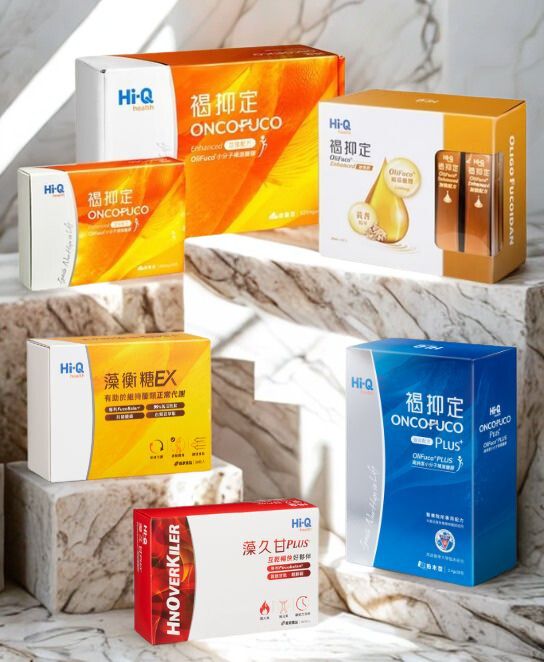
One market example worth noting is Hi-Q’s fucoidan supplement. From a neutral industry perspective, what makes products like this worth watching is not just the ingredient name itself, but what they represent in the broader market: growing interest in marine functional ingredients, demand for healthy aging solutions, and increased attention to science-oriented supplement development.
What Does This Mean for Brands and OEM/ODM Manufacturers?
The rise of the healthy aging market has several practical implications for product development teams.
1. Formulations Must Reflect Real Usage Scenarios
Products for healthy aging should go beyond simply combining multiple ingredients. Developers need to think about daily usability, serving format, long-term supplementation logic, and the preferences of older consumers.
2. Product Messaging Must Become More Precise
Communication in the healthy aging category requires careful balance. It cannot be overly aggressive, but it also cannot be vague. Brands need language that is compliant, credible, and understandable at the same time. This raises the bar for content strategy, packaging communication, and channel education.
3. Scientific Support Will Increasingly Influence Commercial Decisions
Whether the audience is a distributor, a brand partner, or an end consumer, products with clearer application logic and stronger evidence support are likely to become more competitive in the healthy aging space.
4. Healthy Aging Does Not Mean “Products Only for the Elderly”
This is a common misconception. While the category certainly includes senior consumers, it also extends to consumers in their 40s and 50s who are becoming more proactive about maintaining vitality and long-term wellness. In that sense, healthy aging is not a narrow niche, but a broad and expandable market.
Healthy Aging Product Directions to Watch in 2026
From an industry perspective, several product development directions are likely to remain important in 2026:
- muscle strength and mobility support
- daily nutritional support and recovery-oriented wellness
- immunity and long-term health management
- metabolic balance and energy maintenance
- marine functional ingredients and science-backed formulations
- age-friendly dosage forms and long-term supplementation design
Within these areas, products that combine ingredient differentiation, research support, and flexible application potential are more likely to stand out. This helps explain why categories such as fucoidan supplements are increasingly being discussed as part of the broader healthy aging conversation.
Conclusion: Healthy Aging Is More Than a Trend - It Is Becoming a Core Arena of Future Competition
By 2026, the biotech supplement industry is no longer simply chasing isolated ingredient trends. It is increasingly being shaped by a more fundamental question: does a product genuinely respond to the health needs consumers will face over the next decade?
From that perspective, the healthy aging market is becoming a major product development battleground not only because populations are aging, but because it brings together preventive wellness, supportive care, quality-of-life priorities, and the growing expectation for scientific credibility.
For brands and OEM/ODM manufacturers, now is the time to rethink portfolio strategy. Those that understand the real drivers of healthy aging demand — and respond with more credible, relevant, and better-structured products — will be better positioned in the next phase of biotech supplement competition.
Suggested Related Reading
How healthy aging trends are reshaping supplement formulation strategies
- Supplement Formulation and Healthy Aging – SupplySide Supplement Journal
- Formulating to Foster Healthy Aging – IFT
- Where Healthy Aging Meets Formulation Strategy – NutraIngredients
- Nutritional Strategies and Aging: Current Evidence and Future Directions – PMC
Why evidence-backed ingredients matter more in today’s supplement market
- A Global Overview of Dietary Supplements: Regulation, Market Trends, Use, and Health Effects – PMC
- FDA 101: Dietary Supplements – U.S. FDA
- Supplements: A Scorecard – Harvard Health
- The Global Supplement Market: Trends, Growth, and the Future – AstaReal
The growing role of marine biotech ingredients in daily wellness and aging-focused products
- Marine-Derived Bioactive Ingredients in Functional Foods for Aging: Nutritional and Therapeutic Perspectives – PMC
- Marine-Derived Bioactive Ingredients in Functional Foods for Aging – PubMed
- Unveiling the Anti-Aging Potential of Marine Natural Products – MDPI Marine Drugs
- Marine Bioactives: Pioneering Sustainable Solutions for Health Applications – ScienceDirect