Apr 14, 2026
Choosing the Right Material for Custom Metal Parts in Harsh Environments
When custom metal parts fail in the field, the root cause is often not the drawing, machining accuracy, or even assembly quality. In many industrial applications, the real problem starts much earlier—with material selection. If the base material is not matched to the operating environment, even a well-machined part can wear out early, corrode, deform, seize, or lose structural reliability.
That is why material selection affects far more than durability. It influences service life, maintenance frequency, safety, production uptime, coating compatibility, and total lifecycle cost. For OEM projects and industrial replacement parts alike, choosing the right material for custom metal parts is one of the most important decisions in the development process.
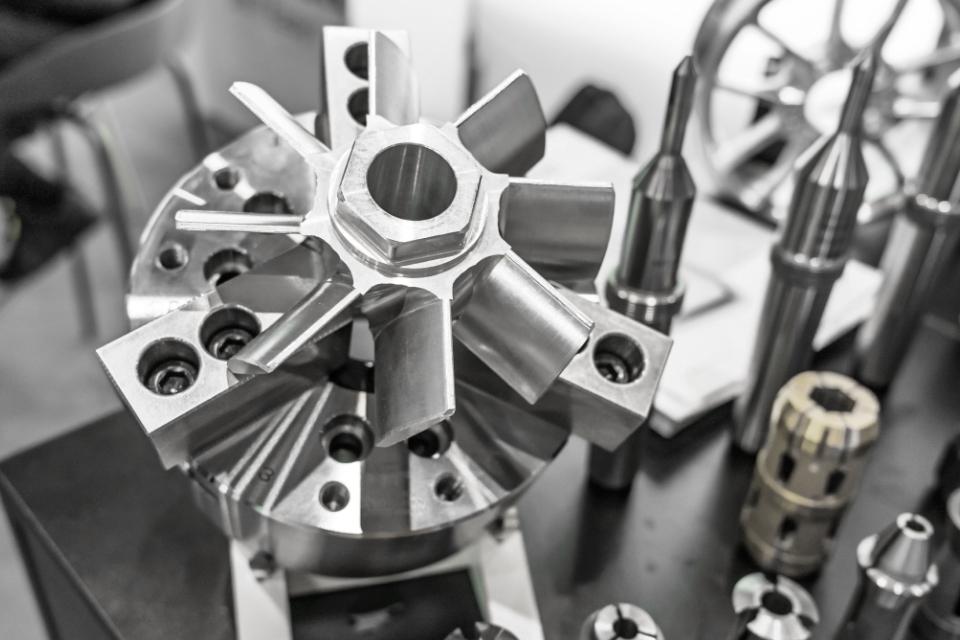
Why Material Selection Affects More than Durability
In industrial environments, a part is rarely exposed to just one stress factor. A component may face vibration, mechanical load, moisture, chemical splash, dust, and fluctuating temperatures at the same time. Under these conditions, the wrong material can create a chain reaction of problems: thread damage, loss of fit, oxidation, galling, cracking, or accelerated wear.
Material choice also affects manufacturability. Some metals are easier to machine but weaker in corrosive environments. Others offer excellent strength and resistance but increase tooling wear, machining time, and total cost. In short, selecting material for custom metal parts is not simply about choosing the strongest option. It is about choosing the best-fit option for the application.
What Counts as A Harsh Operating Environment
A harsh environment is any operating condition that significantly increases the risk of part degradation, instability, or premature failure. These are the main factors engineers should evaluate before specifying material.
Corrosion Exposure
Corrosion is one of the most common causes of part failure in industrial equipment. Outdoor installations, marine-adjacent locations, humid factories, and washdown environments all increase the risk of rust or chemical attack. If a part is exposed to water, salt, acidic cleaners, or corrosive gases, standard materials may degrade faster than expected.
High Temperature
Elevated temperatures can reduce mechanical strength, affect dimensional stability, and accelerate oxidation. In some equipment, the part may also face repeated heating and cooling cycles, which increase thermal stress. Material performance at operating temperature—not just room temperature—should always be checked.
Heavy Loads
Load-bearing components in machinery, fastening systems, and structural assemblies require more than basic hardness. Yield strength, fatigue resistance, and wear behavior matter. A metal that performs well in light-duty applications may deform or crack under continuous heavy load.
Dust, Moisture, and Chemicals
Fine dust, abrasive particles, oil mist, moisture, and industrial chemicals can all shorten service life. In mining, construction, processing, and outdoor equipment, contaminants can damage surfaces, interfere with motion, and increase wear on mating parts.
Before comparing materials, it helps to summarize the environment in a simple way. The table below provides a practical reference.
| Operating Condition | Main Risk to the Part | Material Selection Priority |
|---|---|---|
| Humidity or water exposure | Rust, corrosion, surface breakdown | Corrosion resistance |
| High temperature | Softening, oxidation, distortion | Thermal stability |
| Heavy mechanical load | Deformation, fatigue, cracking | Strength and toughness |
| Dust and abrasive particles | Surface wear, seizure | Hardness and wear resistance |
| Chemicals or cleaners | Pitting, coating failure | Chemical compatibility |
Common Material Options for Custom Machined Parts
There is no universal best material for all custom metal parts. The right choice depends on environment, function, machining needs, and budget.
Carbon Steel
Carbon steel is widely used because it is cost-effective, easy to machine, and available in many grades. It works well for general industrial components where corrosion risk is low or where protective coatings can be applied. However, untreated carbon steel is vulnerable to rust and may not be the best choice for wet or corrosive environments.
Alloy Steel
Alloy steel is often selected when higher strength, toughness, or wear resistance is required. It is common in heavy-duty mechanical applications and parts exposed to shock or load. Compared with standard carbon steel, alloy steel can deliver better performance under stress, but it may involve more complex machining and heat treatment.
Stainless Steel
Stainless steel is a preferred option when corrosion resistance is critical. It is commonly used in outdoor equipment, food-related machinery, medical components, and humid industrial settings. While stainless steel offers clear advantages in aggressive environments, it can be more expensive and, depending on the grade, more difficult to machine than carbon steel.
Brass and Specialized Alloys
Brass is often used where good machinability, corrosion resistance, and anti-seizing properties are needed. It can also perform well in select low-friction or decorative applications. Other specialized alloys may be suitable for highly specific performance demands, such as thermal stability, conductivity, or chemical resistance. These materials should be chosen based on actual operating conditions rather than habit or legacy specifications.
When Surface Treatment Becomes Essential
In many projects, material selection alone is not enough. Surface treatment becomes essential when a part needs additional corrosion protection, improved wear resistance, lower friction, or better appearance. Treatments such as zinc plating, black oxide, nickel plating, passivation, or other coatings can extend service life and improve performance.
That said, surface treatment should not be used to compensate for a fundamentally poor material choice. A coating can support performance, but it cannot fully solve a mismatch between the base metal and the environment. The best results come from treating material selection and surface finishing as one combined engineering decision.
How to Balance Cost, Machinability, and Performance
A common sourcing mistake is to optimize only for unit price. In reality, the lowest-cost material on paper may lead to higher machining cost, shorter service life, more field failures, or more frequent replacement. A better approach is to compare total value across three factors: performance in the real environment, ease of manufacturing, and full lifecycle cost.
For example, a more corrosion-resistant material may cost more upfront but reduce downtime and maintenance. A highly durable alloy may increase machining time but lower warranty risk. Good material decisions are rarely about buying the cheapest metal—they are about preventing avoidable cost later.
A Practical Specification Framework for Buyers and Engineers
A reliable material specification process should answer a few basic questions before RFQ or production begins: What loads will the part carry? What temperatures will it see? Will it face moisture, chemicals, or abrasion? Is corrosion resistance critical? Does the part require tight machining tolerance, thread accuracy, or surface finishing? What is the expected service life, and what would failure cost?
For buyers and engineers working on custom metal parts, this kind of structured review shortens development time and reduces sourcing risk. It also makes communication with the manufacturer much more productive.
For companies that need custom bearing parts or custom metal parts for demanding industrial use, Chin Sing supports OEM/ODM development with in-house manufacturing, drawing- and sample-based production, DFM review, prototyping, material consultation, and quality-focused processes backed by decades of experience in precision metal component manufacturing.
If your project involves harsh environments, heavy-duty applications, or application-specific custom metal parts, contact Chin Sing to discuss the right material, machining approach, and production plan for your requirements.