Why OEM ODM Customization Matters in RO Water Systems - A Strategic Guide for Procurement and Brand Owners
Oct 01, 2025
The global water purifier market is on a remarkable growth trajectory, projected to reach USD 48.1 billion by 2025 (Hiso Air). This expansion, driven by rising consumer awareness of water safety and a...
Why OEM/ODM Customization Matters in RO Water Systems - A Strategic Guide for Procurement and Brand Owners
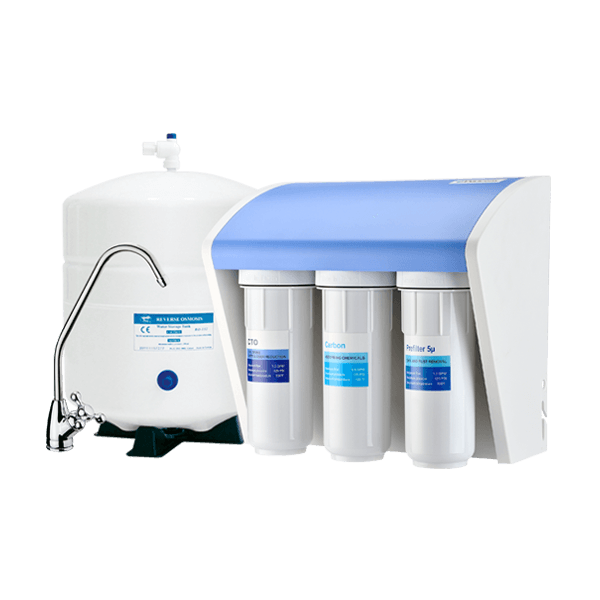
The global water purifier market is on a remarkable growth trajectory, projected to reach USD 48.1 billion by 2025 (Hiso Air). This expansion, driven by rising consumer awareness of water safety and an urgent need for clean drinking water in developing nations, presents a massive opportunity for businesses.
For procurement managers, brand owners, and industry stakeholders, success goes beyond simply selling water purifiers. It requires delivering reliable, market-specific solutions. This is where Original Equipment Manufacturing (OEM) and Original Design Manufacturing (ODM) strategies become vital. Customization is no longer a luxury—it is a necessity for competitiveness, supply chain resilience, and long-term growth in the Reverse Osmosis (RO) water system industry.
Understanding the Core Manufacturing Models: OEM vs. ODM
Before considering why customization matters, it’s essential to understand what the main models mean.
- Original Equipment Manufacturing (OEM): You provide a complete product design, retaining full ownership of intellectual property. The manufacturer executes production based on your proprietary specifications. This is ideal for established brands with strong in-house R&D.
- Original Design Manufacturing (ODM): You select from pre-designed, white-label products offered by the manufacturer. Customization is typically limited to branding, colors, and packaging. ODM allows faster and more cost-effective entry, particularly suitable for new entrants or line expansions.
- Hybrid / Semi-Customization: Modifying an existing product to meet local needs (e.g., adapting filter configurations for specific regional water conditions).
Key Drivers for Customization in RO Water Systems
1. Meeting Diverse Market and Water Quality Demands
Water quality varies dramatically across regions. For example, Shanghai’s TDS level can reach 524 ppm, while Shenzhen averages only 76 ppm. RO systems must be engineered for these differences.
- Filter Configuration: In hard water regions like Italy, soft water functional filters are essential. Composite cartridges can combine multiple filter media to effectively remove local contaminants.
- System Performance: Direct flow RO systems with adjustable flow restrictors allow optimization for high-TDS water areas.
2. Enhancing Reliability and Reducing Long-Term Costs
Since RO water purifiers often last over a decade, product failures can damage brand reputation and increase after-sales costs.
- Integrated Waterways: Innovations such as manifold-type systems reduce connectors, lowering leakage risks by up to 99%.
- Component Quality: High-grade, non-recycled materials for water-contact parts ensure durability and safety. Taiwanese manufacturers, for example, often lead in meeting international water safety standards.
3. Differentiating in a Crowded Market
ODM products often look similar across brands, making differentiation critical.
- Unique Features & Design: Custom designs, IoT-enabled smart monitoring, filter lifespan reminders, and TDS displays can set a brand apart.
- Technological Advancements: Integration of IoT electronics such as solenoid valves and flow meters allows remote management, leak detection, and real-time water quality monitoring.
4. Navigating Supply Chain Risks and Regional Strengths
Selecting an OEM/ODM partner is not only a product decision but also a supply chain strategy. Different manufacturing regions around the world bring unique advantages and challenges that procurement managers must carefully balance.
- East Asia: Countries such as China, Taiwan, and South Korea offer established industrial ecosystems, strong component availability, and proven experience in water treatment technology. However, companies must weigh factors such as price competition, compliance standards, and geopolitical considerations.
- Southeast Asia: Emerging hubs like Vietnam, Thailand, and Malaysia are increasingly attractive for diversification. They provide cost efficiencies and can help mitigate tariff-related risks through a "multi-country sourcing" approach.
- North America and Europe: While production costs are generally higher, these regions provide advantages in quality assurance, sustainability practices, and alignment with strict regulatory standards. They are often preferred for premium or region-specific models.
- South Asia and Middle East: Countries such as India and the UAE are rapidly building capabilities in RO system assembly and component supply, offering proximity to large and growing consumer bases.
For global brands, adopting a multi-region manufacturing strategy enhances resilience against trade disruptions, logistics challenges, and sudden market shifts. By diversifying production footprints across regions, businesses can secure both cost efficiency and long-term stability.
Five Global Leaders in OEM/ODM RO Water System Manufacturing
When selecting a strategic partner, it’s important to consider reputable, globally recognized manufacturers. Below are five leading companies in the RO water system OEM/ODM space:
- Puricom – A Taiwan-based global leader with over 30 years of experience in water purification systems. Puricom is known for innovation, international compliance, and a strong OEM/ODM portfolio.
- A. O. Smith – A U.S.-based multinational recognized for premium water purification and heating solutions. Their advanced RO systems emphasize energy efficiency and long-term reliability.
- Midea – A China-based powerhouse with comprehensive manufacturing capacity, specializing in OEM/ODM smart water purifiers and integration of IoT features.
- Pentair – A U.S. company offering advanced filtration and water treatment systems, with strong OEM capabilities and a focus on sustainable, high-performance RO technologies.
- Kent – Based in India, Kent RO is a globally recognized brand in residential water purifiers, with ODM solutions widely exported across Asia, Africa, and the Middle East.
Including multiple manufacturing partners in strategy planning helps procurement managers evaluate the right balance of cost efficiency, innovation, compliance, and regional resilience.
Strategic Takeaways for Procurement and Brand Owners
A strong OEM/ODM strategy in RO water systems allows companies to:
- Solve customer pain points by tailoring systems to local water conditions.
- Strengthen brand reputation through reliable and safe long-term performance.
- Differentiate in competitive markets with unique features and smart technologies.
- Optimize supply chains for stability, cost, and geopolitical resilience.
The right OEM/ODM manufacturer is not just a supplier—it is a strategic partner and an extension of your brand. By leveraging customized RO water systems, businesses can align product innovation with market needs while creating sustainable value for long-term growth.