Jun 17, 2026
Capitalizing on the Korean Bingsu Trend: A Restaurant Operator's Guide to Boosting Summer Margins
Eliminate Operational Bottlenecks with High-Efficiency Commercial Snow Ice Powders
As the global food and beverage (F&B) landscape rapidly shifts toward technique-led innovation and highly "instagrammable" dessert concepts, standard summer menus are no longer enough to capture premium consumer spend. Enter Korean Bingsu (Snow Ice)—a cultural phenomenon that has solidified into a massive commercial engine across worldwide foodservice sectors. Characterized by its ultra-fine, ribbon-like texture and endless topping versatility, Bingsu offers cafés, dessert parlors, and restaurant chains a high-margin opportunity to drive foot traffic and elevate average check sizes during peak seasons.
However, scaling a premium frozen dessert program comes with notorious back-of-house challenges. For operators looking to capture this market without expanding their operational footprint, the solution lies in upgrading the core supply chain: moving away from traditional ice blocks and adopting high-performance, commercial-grade snow ice powders.
1. Why Korean Bingsu is the Ultimate Menu Strategy
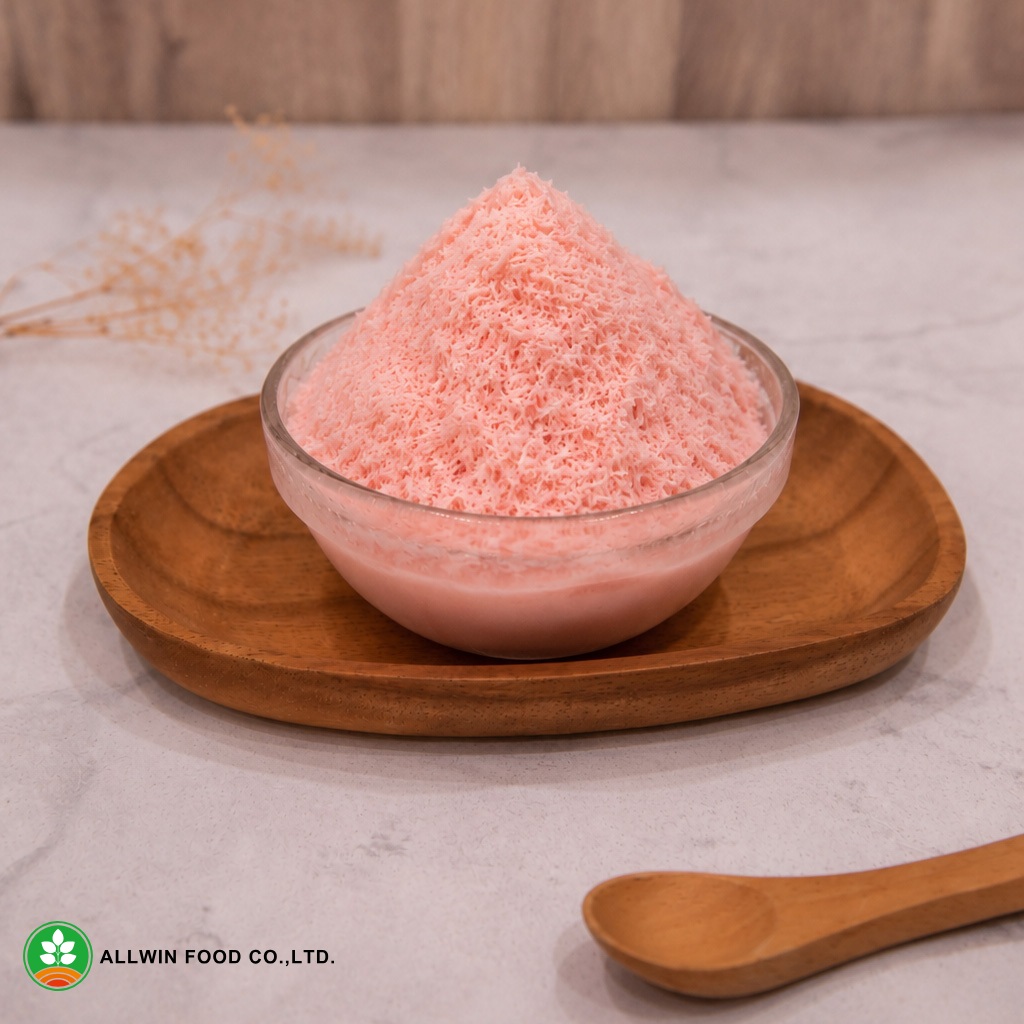
Traditional Western shaved ice or coarse snow cones rely heavily on crushed water ice doused in artificial syrups. While nostalgic, they lack premium positioning power. Genuine Korean Bingsu, conversely, innovates at the molecular level.
Instead of shaving plain water, specialized instant-freeze Bingsu machines freeze a flavored, dairy-based liquid base on a cryogenic cylinder, shaving it instantly into fluffy, micro-thin ribbons that mimic freshly fallen snow. This structure allows the flavor to be fully integrated into the ice itself, delivering a rich, melt-in-your-mouth texture that doesn't feel heavy. For F&B operators, this unique mouthfeel justifies a premium menu price point, appeals directly to Gen Z and Millennial demographics, and creates an exceptionally photogenic asset for organic social media marketing.
2. The 3 Operational Bottlenecks of Traditional Bingsu Preparation
Despite the clear financial incentives, many restaurant groups and culinary R&D teams hesitate to introduce Bingsu due to the logistical nightmares of traditional preparation methods:
- Massive Freezer Footprint & Extended Prep Times: The conventional method requires operators to batch-mix liquid bases, pour them into proprietary molds, and freeze them for 10 to 12 hours to create solid ice blocks. This hoards valuable freezer space and limits daily production capacity.
- Textural Degradation & Inconsistency: Frozen milk blocks are highly susceptible to ice crystallization during storage and transport. Furthermore, manual mixing by kitchen staff frequently introduces human error, leading to inconsistent fat-to-sugar ratios and unpredictable output quality.
- High Inventory Risks for Seasonal Flavors: Attempting to capture limited-time-offer (LTO) seasonal trends (like spring matcha or summer mango) typically requires ordering massive batch ingredients from raw material suppliers, resulting in excessive upfront costs and dead inventory.
💡 The Supply Chain Pivot: To build a scalable dessert program, modern foodservice chains must prioritize standardization and footprint reduction. Utilizing pre-formulated, shelf-stable commercial Bingsu powders resolves these bottlenecks instantly.
3. Streamlining the Kitchen: The Power of Premium Snow Ice Powders
Commercial Korean snow ice powder is a professional-grade, all-in-one formulation designed to streamline the preparation of Bingsu bases. It combines high-quality dairy solids, targeted sweetening agents, and premium stabilizers that allow businesses to consistently reproduce a velvety, ribbon-like structure when passed through a commercial continuous Bingsu machine.
By adopting a specialized powder-based snow ice program, businesses enjoy critical operational benefits:
- Operational Simplicity: Eliminates the guesswork of scratch cooking. Staff can prepare identical batches with minimal training, protecting brand consistency across multiple franchise locations.
- Extended Shelf Life: Liquid milk and dairy formulas have strict expiration windows. Unopened snow ice powders can be stored at room temperature for up to 24 months, optimizing inventory control and minimizing food waste.
- Rapid Production Integration: Because premium powders dissolve quickly in room-temperature water, kitchens can mix and feed bases directly into modern instant-freezing Bingsu machines without lengthy cooling wait times.
4. ⚙️ Standard Operating Procedure (SOP) & Mixing Ratio
Achieving the perfect snow consistency requires strict adherence to standardized mixing procedures. Below is the industry-standard formulation for high-quality results:
Core Formula Matrix
- Korean Snow Ice Powder: 100 grams
- Liquid Base (Room Temperature Water or Milk): 500 grams (1:5 ratio)
Step-by-Step Preparation Sequence
- Hydration & Dissolution: Measure 100g of premium snow ice powder into a clean commercial mixing pitcher. Pour in 500g of water or milk. Stir vigorously using a whisk or immersion blender until the powder is fully dissolved and completely smooth.
- Machine Loading: Pour the fully combined liquid mixture directly into the liquid container of your commercial continuous Bingsu machine.
- Securing the System: Close and securely lock the container lid according to your specific equipment specifications to ensure stable pressure.
- Operational Startup: Mount the container onto the machine assembly, turn on the cooling and rotation controls, press Start, and allow the system to prime for approximately 4 to 5 minutes.
- Shaving & Collection: As the liquid base contacts the freezing drum, beautiful, dry, fluffy snow flakes will begin to dispense. Position a chilled serving bowl beneath the chute to catch the snow ribbons.
- Garnishing & Presentation: Finish the dessert base with traditional or modern toppings—such as fresh fruit cubes, premium fruit syrups, mochi pieces, taro balls, or sweet red bean paste.
For a direct step-by-step visual demonstration of this exact commercial preparation sequence, you can view the complete tutorial video here: Easy Korean Snow Ice Recipe Video.
5. Commercial Product Specifications & Procurement FAQ
📦 Commercial Product Specification Sheet (B2B Technical Data)
| Technical Parameter | Commercial Specification & Compliance Data |
|---|---|
| Product Format | Commercial-Grade Korean Snow Ice Powder (e.g., Milk / Strawberry flavors) |
| Country of Origin | Manufactured under strict hazard control and food safety protocols (HACCP/ISO) |
| Unit Packaging | 2.2 lbs (approx. 1.0 kg) per high-barrier moisture-proof bag |
| Case Configuration | 20 bags per master carton (Net Weight: 44.0 lbs / Gross Weight: 47.5 lbs) |
| Shelf Life | 18 to 24 months from the production date when unopened |
| Storage Guidelines | Shelf-stable at room temperature. Store in a cool, dry place away from direct sunlight. Do not store or ship in a freezer environment. Seal bag tightly after opening. |
💬 Foodservice Procurement FAQ (For Buyers & Distributors)
Q1: How does the texture of powder-based snow ice compare to traditional milk blocks?
Ans: Advanced spray-drying and ingredient-blending technologies ensure that when dissolved and run through an instant flake ice machine, the powder base yields exceptionally uniform ribbons with zero graininess. Traditional milk blocks frequently suffer from uneven freezing rates, creating localized ice crystals that result in a crunchy, sub-par texture. Powder ensures a smoother, more reliable melt profile.
Q2: Is specialized machinery mandatory to utilize this Bingsu powder?
Ans: Yes, this product is specifically formulated for liquid-to-snow open-cylinder machines (often called instant-freeze Bingsu machines or cryogenic snow flakers). These machines require a liquid input and generate shaved ice within 3–5 seconds. Because high-quality powders create a perfectly balanced liquid solution with ideal freezing-point depression, they prevent machine freeze-ups and maximize yield.
Q3: Can these formulations be customized for regional markets or dietary restrictions?
Ans: Yes. High-volume enterprise buyers often collaborate with manufacturers to adjust dairy solids, sweetness curves, and stabilizer blends. This allows brands to achieve specific textural densities, introduce localized flavors (like Uji Matcha, Thai Milk Tea, or Taro), or meet specific compliance and dietary standards (such as gluten-free or vegetarian requirements).
6. Conclusion: Scaling Your Dessert Program with the Right Manufacturing Partner
Introducing an authentic Korean snow ice program is a proven method for driving high-margin revenue during peak seasons. To capture this market successfully, sourcing from a manufacturer with verified quality controls, robust R&D capabilities, and flexible global logistics is essential.
By partnering with an experienced industry leader like Allwin Food, global brands can access fully customized ingredient solutions, comprehensive OEM/ODM services, and operational support that ensure seamless integration from production line to consumer table. Elevate your dessert program today by investing in high-grade formulations that guarantee exceptional quality and flavor with every single scoop.