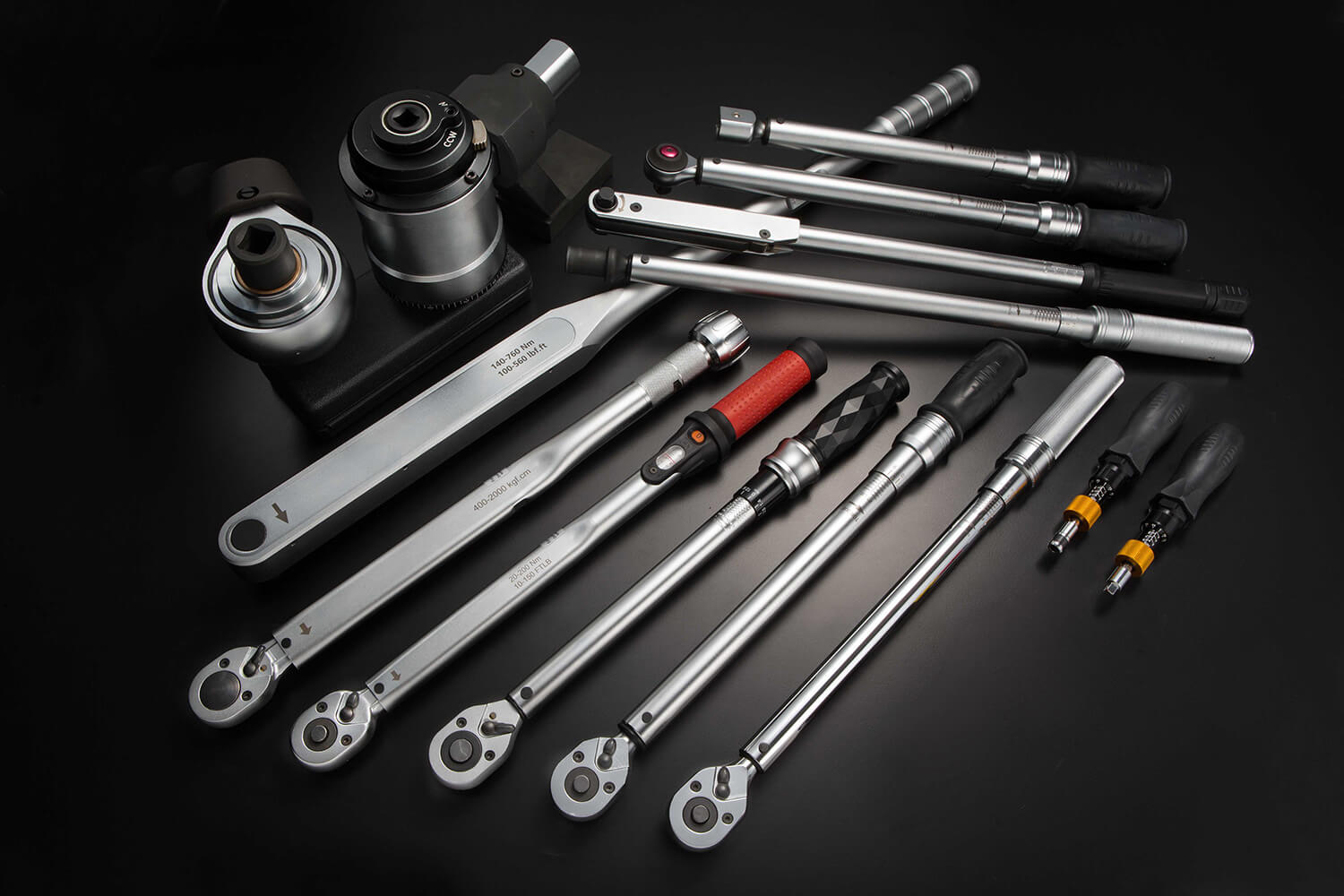
2026 Hand Tool Trends - Why Taiwan Remains the Global Hub for Torque Tool OEM
Feb 01, 2026
As we settle into 2026, the global industrial landscape has shifted from a focus on pure volume to a prioritization of precision, reliability, and supply chain resilience. For procurement managers, pr...
2026 Hand Tool Trends - Why Taiwan Remains the Global Hub for Torque Tool OEM

As we settle into 2026, the global industrial landscape has shifted from a focus on pure volume to a prioritization of precision, reliability, and supply chain resilience. For procurement managers, product owners, and industrial distributors, sourcing a hand torque wrench is no longer just about finding a tool that fits a bolt—it is about securing a partnership that guarantees traceability, adheres to evolving international standards, and supports sustainability goals.
The global demand for high-precision tools continues to rise, driven by tighter tolerances in the automotive, aerospace, and renewable energy sectors. In this context, Taiwan’s mature industrial ecosystem continues to stand out as the premier destination for OEM torque wrench sourcing.
This article analyzes the supply chain advantages and technological innovations defining the market in 2026, helping you navigate the complexities of selecting the right torque tool manufacturer for your brand.
The 2026 Supply Chain: The Era of "condensed" Manufacturing
In previous decades, the supply chain conversation revolved around "lowest landed cost." Today, the conversation has moved to "supply chain density."
The efficiency of a torque tool manufacturer is directly correlated to the proximity of its sub-suppliers. This is where the distinct advantage of Taiwan’s industrial clusters becomes apparent. It operates on a "condensed" model, where steel suppliers, heat treatment specialists, forging plants, and precision machining centers are often located within a 50-kilometer radius.
Why Proximity Matters to Buyers
For a buyer located in Europe or North America, this cluster effect translates into three tangible benefits:
-
Reduced Lead Times: Material transport between processing stages is measured in minutes, not days.
-
Agile Engineering: When developing a custom OEM torque wrench, engineers can meet with mold makers and metallurgists face-to-face to solve design challenges immediately.
-
Consistent Quality Control: A condensed supply chain allows for easier oversight. A torque tool manufacturer can physically audit their heat treatment partners regularly, ensuring the hardness and durability of the critical internal components meet strict specifications.
Innovation Trends: Beyond the Click
The hand torque wrench has evolved from a simple mechanical device into a precision instrument. In 2026, we are observing specific technological trends that high-end brands must incorporate to remain competitive.
1. The Convergence of Mechanical and Digital
While the traditional "click" type wrench remains the industry workhorse due to its durability, there is a growing demand for hybrid solutions. Users want the tactile feedback of a mechanical click combined with the data verification of a digital sensor. Manufacturers capable of integrating electro-mechanical systems are increasingly sought after.
2. Advanced Metallurgy for Weight Reduction
Operator fatigue is a significant concern in industrial assembly lines. The trend is moving toward high-strength, lightweight alloys. Leading manufacturers are now utilizing advanced Chrome-Molybdenum (Cr-Mo) and specialized aluminum composites. These materials allow a hand torque wrench to handle high torque values (up to 1000 Nm) while significantly reducing the physical strain on the technician.
3. Traceability and Serialization
Traceability is now a baseline requirement, not a luxury. In 2026, every professional-grade tool must have a laser-etched serial number traceable to its calibration date, heat treatment batch, and raw material source. This is crucial for industries like aviation and wind energy, where a tool failure can have catastrophic consequences.
Analyzing Manufacturing Models: A Comparative View
To help global buyers understand the sourcing landscape, it is helpful to compare different manufacturing models based on their operational characteristics. The following table illustrates why the "Integrated Cluster Model" (prevalent in Taiwan) offers a strategic balance for OEM partners.
| Feature | Integrated Cluster Model (Taiwan) | Mass Production Model (General High-Volume Regions) | Boutique Model (Western Europe/USA) |
|---|---|---|---|
| Primary Focus | High-Mix, Low-Volume & High Precision | High-Volume, Standardized Specs | Ultra-High Precision, Proprietary Tech |
| Supply Chain Speed | Fast (Suppliers are neighbors) | Moderate (Logistics can be complex) | Slow (Dependent on external sourcing) |
| Customization Flexibility | High (Ideal for specific OEM needs) | Low (Rigid production lines) | High (But at a premium cost) |
| Quality Consistency | Very High (Mature QC culture) | Variable (Depends on oversight) | Very High |
| Cost Structure | Balanced (Best Value for Performance) | Low (Best for DIY grade) | High (Premium pricing) |
Analysis: For professional tool brands seeking a balance between high performance and competitive pricing, the Integrated Cluster Model offers the optimal solution.
The Role of ESG in Tool Manufacturing
Sustainability is reshaping the B2B procurement process. By 2026, "Green Manufacturing" has moved beyond buzzwords to become a compliance metric (such as CBAM regulations in the EU).
A responsible torque tool manufacturer today focuses on:
-
Durability as Sustainability: Producing a hand torque wrench that lasts for 50,000 cycles significantly reduces waste compared to cheaper tools that fail after 5,000 cycles.
-
Energy Efficient Processes: Upgrading to modern electric heat treatment furnaces that reduce energy consumption and carbon emissions.
-
Recyclable Packaging: Moving away from single-use plastics in favor of biodegradable or fully recyclable packaging solutions for OEM products.
Navigating Quality Standards: ISO 6789 and Beyond
Understanding the technical standards is critical for any buyer. The gold standard for torque tools remains ISO 6789.
However, simply claiming compliance is insufficient. A top-tier OEM torque wrench partner must possess an in-house calibration laboratory that mimics the capabilities of third-party certification bodies. This ensures that every tool—whether it is a preset production wrench or an adjustable click wrench—falls within the strict accuracy tolerance (typically ±3% or ±4%) before it is packaged.
Conclusion: Partnering for Precision
The trends of 2026 highlight a clear direction for the industry: the market rewards precision, reliability, and responsibility. Choosing the right supply chain partner is not just about negotiating the unit price; it is about ensuring that your brand is built on a foundation of quality that withstands the test of time.
Torque-Tech Precision Co., Ltd. embodies the strengths of the Taiwanese manufacturing hub. With over 20 years of dedication to torque technology, they have mastered the balance between traditional craftsmanship and modern innovation. Explore their OEM/ODM Torque Wrench Services. Secure your supply chain with a partner built on precision. Contact Torque-Tech Today to discuss your specific requirements.