Apparel OEM vs ODM: A Strategic Guide to Choosing the Right Manufacturing Model for Your Fashion Brand
May 22, 2025
Confused between OEM and ODM for your apparel brand? This comprehensive guide breaks down the costs, risks, and strategic benefits of each model to help procurement managers and brand owners optimize their supply chain.
Apparel OEM vs. ODM: A Strategic Guide to Choosing the Right Manufacturing Model for Your Fashion Brand

The global fashion industry is more competitive than ever. For procurement managers, startup founders, and established brand owners, the bridge between a creative concept and a physical product is the most critical stage of the business cycle. One of the most fundamental decisions you will face is choosing the right production partnership: OEM (Original Equipment Manufacturing) or ODM (Original Design Manufacturing).
Selecting the wrong model can lead to inflated costs, stagnant inventory, or a complete lack of brand identity. Conversely, the right choice can streamline your supply chain, boost your profit margins, and allow you to scale at an unprecedented pace.
This guide provides an in-depth analysis of the OEM and ODM models, tailored specifically for industry professionals looking to solve real-world sourcing pain points.
1. Defining the Core: What Is the Difference Between Apparel OEM and ODM?
Before diving into the strategic implications, it is essential to establish a clear technical baseline. While the terms are often used interchangeably in casual conversation, they represent two distinct workflows in the garment manufacturing ecosystem.
What is OEM (Original Equipment Manufacturing)?
In the OEM model, the brand owner provides the complete design, technical specifications (Tech Packs), and material requirements. The manufacturer is responsible solely for the production process—sourcing the fabric (if specified), cutting, sewing, and packaging.
- Your Role: Designer, Engineer, and Quality Standard Setter.
- Manufacturer’s Role: The Execution Factory.
What is ODM (Original Design Manufacturing)?
In the ODM model, the manufacturer designs and develops the products themselves. The brand owner selects existing designs from the manufacturer’s catalog and adds their own branding (labels, tags, or minor color tweaks). This is often referred to as "private labeling."
- Your Role: Curator and Marketer.
- Manufacturer’s Role: Designer, Developer, and Producer.
2. Comparative Analysis: OEM vs. ODM
To help you visualize the trade-offs, the following table summarizes the key performance indicators (KPIs) that procurement officers typically prioritize during the vetting process.
Strategic Comparison Table: OEM vs. ODM
The table below provides a side-by-side comparison of the two models based on critical business metrics such as investment, control, and speed.
| Feature | OEM (Original Equipment Manufacturing) | ODM (Original Design Manufacturing) |
|---|---|---|
| Design Ownership | Full ownership by the brand. | Ownership usually stays with the factory. |
| Development Cost | High (requires in-house R&D and designers). | Low (factory absorbs R&D costs). |
| Speed to Market | Slower (requires prototyping from scratch). | Faster (ready-to-go designs). |
| Minimum Order Quantity (MOQ) | Often higher due to custom fabric/patterns. | Often lower (using stock fabrics/patterns). |
| Product Uniqueness | 100% Unique to your brand. | Risk of similar products appearing elsewhere. |
| Tech Pack Responsibility | Brand provides full Tech Packs. | Factory provides Tech Packs/Specifications. |
| Profit Margins | Higher in the long run (scale-dependent). | Lower (factory adds a design premium). |
3. Identifying Your Pain Points: Which Model Solves Your Current Problems?
Manufacturing decisions should not be made in a vacuum; they should be driven by the specific challenges your brand is currently facing.
Scenario A: "We have a unique vision but lack production capacity."
If your brand’s value proposition is based on a revolutionary new fabric technology or a proprietary silhouette (e.g., a specific ergonomic fit for sportswear), OEM is your only viable path.
- The Pain Point: Intellectual Property (IP) theft or dilution.
- The Solution: OEM allows you to maintain strict control over your patterns and fabric compositions. You aren't just buying a shirt; you are building an asset.
Scenario B: "We need to launch a collection quickly to catch a trend."
In fast fashion or seasonal accessories, timing is everything. If you spend six months developing a "trend" piece, the trend will have passed by the time the shipment arrives.
- The Pain Point: Slow "Time-to-Market" and high R&D overhead.
- The Solution: ODM allows you to "shop" the manufacturer's existing R&D. Since the factory has already tested the fit and sourced the material, you can go from selection to shipping in weeks rather than months.
Scenario C: "We are struggling with high MOQs and inventory risk."
Startups often fail because they are forced to order 1,000 units of a single style to satisfy a factory's requirements.
- The Pain Point: Cash flow locked in unsold inventory.
- The Solution: Finding an ODM partner who utilizes "blank" or "white-label" stock can significantly lower your entry barrier.
4. The Hybrid Reality: How Modern Manufacturers Bridge the Gap
In the current landscape, the line between OEM and ODM is blurring. Industry leaders are no longer just "factories"; they are "solution providers."
A prime example of this evolution is UKL Group. Recognizing that fashion brands often need a mix of creative freedom and technical support, UKL Group offers an integrated approach to apparel manufacturing.
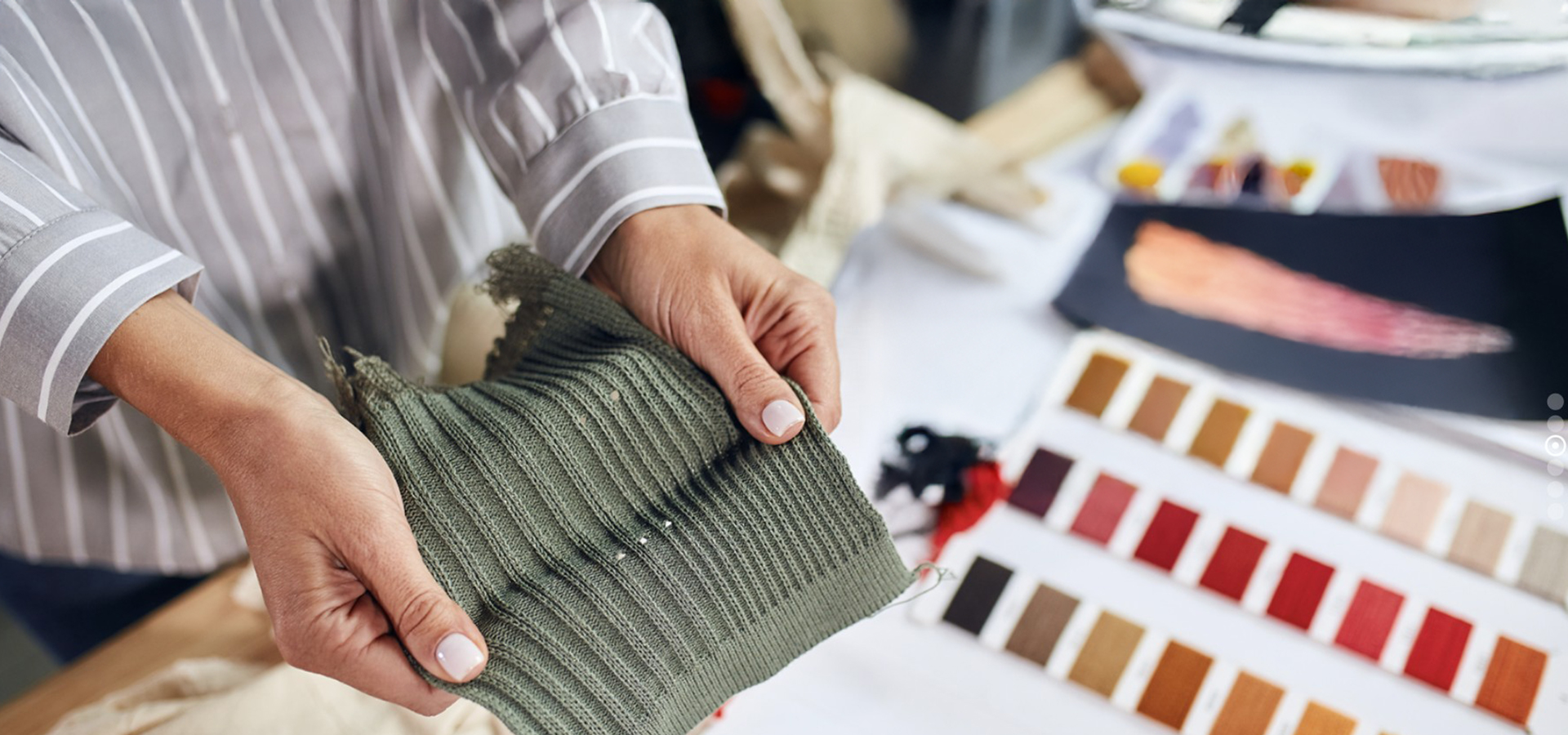
From a third-party industry perspective, UKL’s strength lies in its ability to cater to both ends of the spectrum. Whether a brand needs a strict OEM partner to execute complex functional wear designs or an ODM partner to provide market-ready styles with technical fabrications, they provide a streamlined pipeline. This flexibility is particularly valuable for brands that are in a transition phase—moving from curated collections (ODM) to fully proprietary designs (OEM) as they scale.
UKL Group’s focus on high-performance and functional apparel also addresses a common pain point: the technical gap. Many factories can sew a t-shirt, but few can handle the complexities of seam-sealing, moisture-wicking treatments, and ergonomic grading. By positioning themselves as a technical partner, they reduce the "trial and error" phase that often plagues the OEM process.
5. Deep Dive: The Hidden Costs of Both Models
When calculating your landed cost, many procurement managers forget to look beyond the "Price Per Unit."
The Hidden Costs of OEM
- Pattern Making & Grading: You must pay for every iteration of the sample.
- Sourcing Fees: If you want a specific recycled polyester, you may have to pay for the freight of fabric samples from multiple mills.
- Communication Overhead: OEM requires constant communication. A mistake in the Tech Pack can ruin an entire production run.
The Hidden Costs of ODM
- Lower Market Differentiation: If your competitor uses the same ODM factory, your products might look identical, leading to a "price war" rather than brand loyalty.
- Lack of Transparency: You may not know exactly where the raw materials are sourced, which can be a risk for brands focusing on ESG (Environmental, Social, and Governance) compliance.
6. How to Vet Your Manufacturing Partner (Checklist)
Regardless of whether you choose OEM or ODM, your success depends on the reliability of your partner. Use this checklist during your next factory visit or Zoom audit:
- Certifications: Do they hold ISO 9001, WRAP, or BSCI certifications?
- Sampling Turnaround: How many days does it take to receive a "Golden Sample"?
- In-house R&D: For ODM, do they have a dedicated design team, or are they just copying other brands?
- Communication Style: Do they have a dedicated account manager who speaks your language?
- Financial Stability: Can the factory handle large-scale fabric purchases without asking for 100% upfront payment?
7. The Role of AI and Digital Transformation in Sourcing
We are entering the era of AIO (AI Optimization) in manufacturing. Leading companies are now using AI to predict trend cycles and optimize fabric cutting to reduce waste.
When searching for a manufacturer, look for those who embrace digital Tech Packs and 3D sampling (like CLO3D). 3D sampling is a game-changer for the OEM model because it allows you to see the drape and fit of a garment on a virtual avatar, saving thousands of dollars in physical sampling costs and weeks of shipping time.
8. Frequently Asked Questions (FAQ)
Q1: Can I switch from ODM to OEM later?
Yes. In fact, this is a very common growth strategy. Many brands start with ODM to test the market with minimal investment. Once they identify what their customers love, they hire in-house designers and move to an OEM model to create exclusive, proprietary products.
Q2: Who owns the patterns in an ODM agreement?
Typically, the manufacturer owns the patterns. If you decide to move your production to a different factory, you likely won't be allowed to take the patterns with you. This is a key reason why brands move to OEM—to own their intellectual property.
Q3: How do I protect my designs in an OEM model?
Always sign a comprehensive Non-Disclosure Agreement (NDA) and a Manufacturing Agreement before sharing your Tech Packs. Ensure the contract specify that all IP, including patterns and specialized molds, belong to your brand.
Q4: Which model is better for sustainable fashion?
OEM is generally better for sustainability because it gives the brand full control over the raw material sourcing. You can specifically mandate GOTS-certified cotton or recycled nylon. In ODM, you are often limited to the materials the factory already has in stock.
Q5: Is "Private Label" the same as ODM?
Essentially, yes. Private labeling is the commercial practice of taking an ODM product and placing your brand’s logo and tags on it.
9. Final Verdict: Which Model Fits Your Brand?
Choosing between OEM and ODM is not about which model is "better"—it’s about which model fits your current Resource-to-Risk ratio.
- Choose OEM if: You have a unique design, you have the capital to invest in R&D, and you want to build long-term brand equity through proprietary products.
- Choose ODM if: You are a startup, you need to launch quickly, or you want to expand into a new product category without hiring a full design team.
For those seeking a partner that understands the nuance of this choice, exploring the capabilities of integrated providers like UKL Group can provide the necessary balance of technical expertise and manufacturing scale. By leveraging their dual-model approach, brands can mitigate the risks of global sourcing while maintaining the quality standards required by today's discerning consumers.