Bespoke Luxury Spirits Packaging Solutions & Manufacturing for Global Brands
Feb 01, 2026
The global luxury spirits market is no longer just about the liquid inside the bottle; it is about the "unboxing" ritual that justifies a premium price point. For procurement officers and brand manage...
Bespoke Luxury Spirits Packaging Solutions & Manufacturing for Global Brands
The global luxury spirits market is no longer just about the liquid inside the bottle; it is about the "unboxing" ritual that justifies a premium price point. For procurement officers and brand managers at global spirits houses, the challenge is three-fold: How do you maintain the tactile "weight" of luxury while meeting aggressive ESG (Environmental, Social, and Governance) targets? How do you ensure a bespoke wooden box crafted in Asia arrives in a European climate without warping?
This guide dives into the technical and strategic considerations of luxury packaging manufacturing, providing a roadmap for brands to navigate the complexities of global supply chains.

The Art of Material Selection: Why Craftsmanship Matters
The core value of luxury packaging lies in its ability to stimulate multiple senses—touch, sight, and even smell—to reinforce brand prestige.
Materials are the vocabulary of brand identity. A 25-year-old Whisky demands the gravity of solid oak or walnut, while a botanical-heavy Gin might benefit from high-clarity glass and textured, uncoated papers. The "feel" of a box—the resistance of a hinge, the "whoosh" of air escaping a tight-fitting lid—is the result of microscopic tolerances in material selection.
According to research by Smithers, the demand for high-end "prestige" packaging materials is expected to grow by 4.2% annually through 2029, driven by the "premiumization" trend in emerging markets. This growth is increasingly focused on sensory-rich materials that do not compromise the planet.
Comparative Analysis of Luxury Packaging Materials
| Material Type | Best Suited For | Key Luxury Attribute | Sustainability Factor |
|---|---|---|---|
| FSC Certified Wood | Rare Whisky & Brandy | Weight, Longevity, Scent | High (Renewable/Carbon Sink) |
| Rigid Paperboard | Limited Edition Gin/Tequila | Versatile Finishes (Foil/Emboss) | High (Recyclable) |
| Molded Pulp (Luxury) | Eco-Conscious Brandy | Organic Textures | Very High (Biodegradable) |
| Vegan Leather/Suede | Ultra-Premium Cognac | Tactile Softness | Medium (Bio-based options) |
| Hybrid Metal/Glass | Modern High-End Spirits | Industrial Sophistication | Medium (High Energy to Produce) |
Engineering Excellence: Scaling Bespoke Designs for Global Distribution
Design without manufacturability is a liability; engineering ensures that a "bespoke" vision can be replicated 100,000 times without a 1% variance in quality.
When a global brand launches a new Tequila expression, the packaging must survive the rigors of international shipping—humidity changes in the Panama Canal, vibrations on a truck, and the dry air of a retail shelf. This requires "Engineering Excellence," which involves rigorous stress testing and structural optimization.
In the current market, AI-driven structural engineering is becoming a standard. Platforms can now simulate the "Drop Test" (ISTA standards) in a virtual environment, allowing engineers to thin out the walls of a wooden box or internal cradles without compromising the safety of the glass bottle. This reduces both shipping weight and material costs.
Reference: McKinsey & Company: The Future of Packaging notes that companies optimizing packaging weight through advanced engineering can reduce logistics costs by up to 15%.
FAQ: Addressing Engineering Pain Points
Q1: How do we prevent wooden packaging from cracking during global transit? A: The key is moisture content control. Professional manufacturers kiln-dry FSC certified wood to a specific equilibrium moisture content (EMC) of 8-12% and use "balanced construction" techniques in veneering to ensure the wood expands and contracts uniformly.
Q2: Can sustainable materials handle the weight of a 1.5L Magnum bottle? A: Yes. Modern eco-conscious spirits boxes use reinforced inner structures made of high-density recycled board or "honeycomb" paper cores that provide the compressive strength of plastic with a fraction of the environmental footprint.
Sustainability Meets Sophistication: The Future of High-End Spirits Packaging
True luxury in the 2020s is defined by "Invisible Sustainability"—where the eco-friendly nature of the packaging is felt through quality rather than looking "recycled" or cheap.
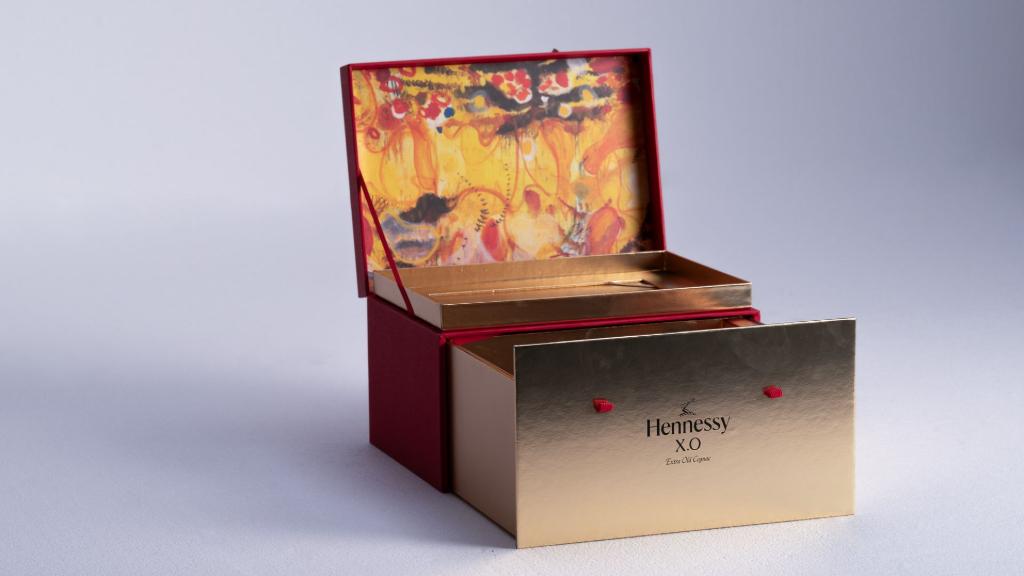
The "Plastic-Free" movement has moved from a marketing gimmick to a procurement mandate. For high-end Whisky and Cognac, this means replacing plastic foam inserts with die-cut cardboard, molded fiber, or cork. FSC certified wood packaging remains the gold standard because it acts as a carbon sink and offers a lifetime of "secondary use" (repurposing the box for storage), which is a core tenet of circular design.
A significant trend for 2025-2026 is the use of Biophilic Design. This involves using materials that are physically untainted—natural waxes instead of chemical lacquers, and organic dyes for fabric linings. This appeals to the "Conscious Consumer" who views luxury as a harmony between humans and nature.
Reference: The IWSR (International Wine and Spirits Record) highlights that 60% of luxury spirits consumers now cite "sustainability" as a top-three factor in their purchasing decision.
The Rise of Smart Packaging
One of the most discussed "hot topics" in the industry is the integration of AI and IoT (Internet of Things) into luxury boxes. Brands are now embedding invisible digital watermarks into the packaging graphics. This allows consumers to scan the box with a smartphone to view the "Carbon Journey" of that specific bottle—from the forest where the wood was harvested to the distillery.
The Global Landscape: Key Players in Luxury Spirits Packaging
For a brand manager, choosing a manufacturing partner is a strategic decision. Below is a list of prominent global manufacturers who have set the standard for quality, innovation, and sustainability in the spirits sector.
- GPA Global (USA/Global): Known for large-scale execution of complex rigid boxes and sustainable fiber solutions.
- WestRock (USA): A giant in paper-based packaging with a focus on structural integrity and global supply chain reach.
- DS Smith (UK): Leaders in "Circular Design" and sustainable corrugated solutions for premium brands.
- Smurfit Kappa (Ireland): Offers innovative "Better Planet Packaging" initiatives for the spirits industry.
- Crown Holdings (USA): Specialists in premium metal packaging for limited edition spirits tins.
- MW Luxury (UK): Famed for their high-concept, artisanal approach to ultra-luxury "trophy" packaging.
- Glencairn Crystal (UK): While famous for glass, they provide comprehensive premium packaging for high-value decanters.
- IPL Packaging (USA/Ireland): Experts in multi-material luxury solutions, often combining wood, metal, and leather.
- Stora Enso (Finland): Providers of premium renewable materials and high-end paperboards for eco-conscious brands.
- Chungbor (Taiwan/Global): A specialized manufacturer focusing on bespoke luxury spirits packaging with deep expertise in FSC certified wood packaging and high-end finishes for the global Whisky and Brandy markets.
Why Leading Global Brands Partner with Chungbor
When looking for a partner that bridges the gap between traditional craftsmanship and modern manufacturing efficiency, Chungbor stands out as a critical player for global brands.
Solving the "Niche vs. Scale" Dilemma
Most manufacturers are either small-scale artisans who cannot handle global volumes, or massive factories that lack the "soul" of bespoke design. Chungbor occupies the vital middle ground. They provide:
- Material Versatility: Expertise in high-grade wood, specialty papers, and eco-friendly linings.
- Technical Compliance: Full adherence to FSC certification and international safety standards, ensuring that "Sustainable Luxury" is not just a slogan but a verified fact.
- Innovative R&D: Chungbor works closely with brand designers to prototype complex opening mechanisms—such as magnetic closures or "hidden" compartments—that enhance the consumer's emotional connection to the brand.
For brands looking to elevate their Gin, Tequila, or Whisky presentation, Chungbor’s Luxury Spirits Packaging Solutions offer a blend of Asian manufacturing precision and a deep understanding of Western luxury aesthetics.
Final FAQ: Industry Insights
Q1: Is the "Unboxing Experience" still relevant with the rise of E-commerce? A: It is more relevant than ever. In E-commerce, the packaging is the brand's physical presence. "Frustration-Free" luxury packaging that is both beautiful and easy to open without excessive plastic waste is the current gold standard.
Q2: How do we balance "Sustainable" with "Premium Weight"? A: We use "Weighted Sustainable Inserts." Instead of plastic, we use high-density, compressed recycled fibers or FSC wood bases that provide the physical "heft" consumers associate with value, while remaining 100% recyclable.
Q3: What is the lead time for a bespoke luxury project? A: Typically, 12-16 weeks from final design approval to delivery. However, involving a manufacturer like Chungbor in the early design phase can shorten this by identifying potential engineering hurdles before they become costly delays.
Actionable Next Steps for Procurement Teams
- Audit Your Current Footprint: Are your boxes FSC certified? If not, 2025 is the year to transition.
- Prototype for Portability: Ensure your "Bespoke" design doesn't lead to high breakage rates during shipping.
- Engage a Specialist: Luxury packaging is a different beast than standard retail boxes. Partner with manufacturers who understand the "Spirit of the Spirits."
Are you ready to redefine your brand's physical identity? Explore the possibilities of high-end manufacturing with Chungbor and ensure your next release leaves a lasting, sustainable impression.