Jul 16, 2026
Crossbow String Technology and Cam System Design: Innovations Driving Accuracy and Durability
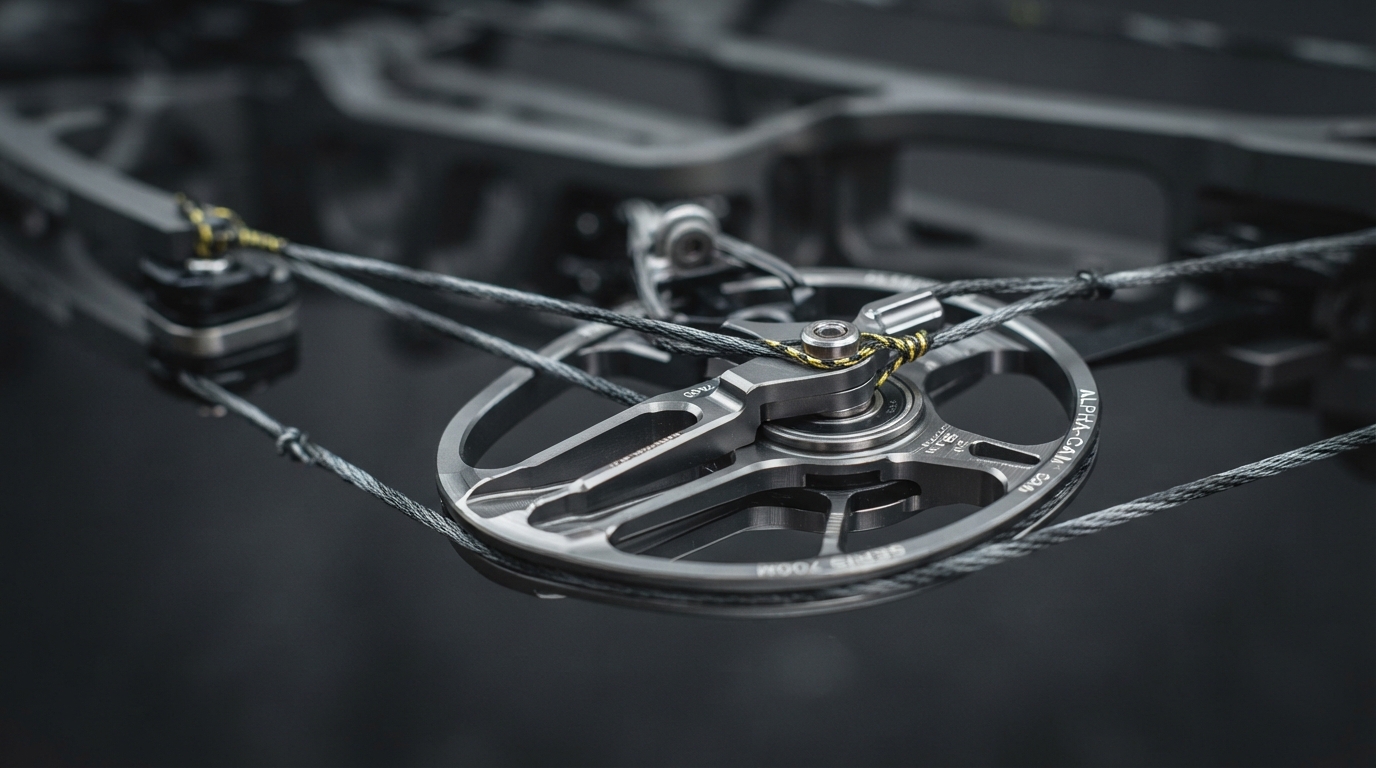
Two components determine whether a crossbow delivers the accuracy and consistency buyers expect: the string and the cam system. Advances in crossbow string technology, from high modulus synthetic fibers to precision wax treatments, work together with cam system engineering to control how energy transfers from limb to arrow. For OEM distributors and buyers evaluating suppliers of a modern hunting crossbow or a tactical repeating crossbow, understanding these two systems is the difference between a product that holds zero season after season and one that drifts out of tune within weeks.
Why String and Cam Engineering Determines Crossbow Performance
Spec sheets sell on draw weight and FPS (feet per second), but those numbers only describe performance on day one, straight out of the box. What separates a well engineered crossbow from a mediocre one is how consistently it repeats that performance shot after shot, across temperature swings, humidity, and thousands of firing cycles. That consistency lives almost entirely in the string and cam assembly.
The string is the only component that transfers stored limb energy directly to the arrow nock. Any stretch, fraying, or inconsistent friction in that string changes how much energy actually reaches the bolt, which shows up downrange as vertical stringing or unpredictable point of impact. The cam system, meanwhile, governs the draw cycle: how smoothly the bow loads energy as it is cocked, how the limbs release that energy, and whether both limbs release in unison. A cam that is even slightly out of time will throw the arrow off axis at the moment of release, no matter how good the string is.
This matters more for certain product categories than others. A tactical repeating crossbow that cycles a magazine of bolts puts repeated stress on the string and cam interface in rapid succession, so wear tolerances and timing stability need to hold up under higher cycle counts. A modern hunting crossbow, by contrast, may sit stored for months between hunting seasons and then be expected to perform flawlessly on the first cold morning of the trip. Both use cases demand accuracy durability that starts with string material choice and cam geometry, not just headline velocity.
Inside the System: String Materials and Cam Types Explained
String materials. Early crossbow strings used waxed Dacron, a polyester fiber that is forgiving and inexpensive but stretches noticeably under repeated load. Most modern crossbow string technology now relies on ultra high molecular weight polyethylene (UHMWPE) fiber blends, commercially known under names like Dyneema or Spectra, sometimes combined with smaller amounts of other synthetic fibers to fine tune stretch and abrasion resistance. These blended strings offer far higher tensile strength for a given diameter, and critically, they exhibit minimal creep (permanent elongation) over the life of the string. Lower creep means the string keeps its original length longer, which keeps cam timing and draw length stable without frequent re-tuning.
Two supporting elements matter as much as the core fiber:
- Serving material: The center serving (where the trigger mechanism grips the string) and end servings (around the cam posts) are wrapped separately from the main string bundle, usually in a smaller diameter, harder wearing thread. Serving protects the load bearing fibers from direct friction against the rail, trigger sled, and cam track.
- Wax and lubrication: Paraffin and synthetic wax blends applied to the string reduce fiber on fiber friction, repel moisture, and slow UV degradation. A dry, unwaxed string generates internal heat during rapid cycling and wears out its own fibers from the inside, well before it shows visible fraying on the surface.
Cam system types. The cam assembly is what converts the mechanical act of drawing the string into stored energy in the limbs, and it comes in three common architectures for crossbows and compound bows.
| Cam Type | Configuration | Strength | Trade-off |
|---|---|---|---|
| Single cam | One shaped power cam + round idler wheel | Smoother, quieter draw; no timing sync needed | Slightly less raw speed than dual cam |
| Dual cam (twin cam) | Two matched cams, one per limb tip | Higher, more consistent arrow speed | Sensitive to timing; sync drift causes horizontal accuracy drift |
| Binary cam | Two cams linked through string/cable system | Self-correcting timing as string is drawn | Reduces but does not eliminate drift as string stretches |
Cam geometry also shapes the draw cycle itself, meaning how draw weight builds and releases through the stroke. A well profiled cam produces a smoother let off and a more repeatable release point, both of which translate directly into tighter arrow groupings. Manufacturers that hold tight CNC machining tolerances on cam tracks and axle bores reduce the small mechanical play that otherwise accumulates into inconsistent draw cycles across a production run, which is one reason OEM buyers should ask about in-house CNC capability rather than assuming all cam suppliers are interchangeable.
Durability, Maintenance, and Sourcing Guidance for OEM Buyers and Distributors
String and cam wear rarely announces itself with a single obvious failure. Instead it shows up gradually, and distributors who understand the warning signs can set better replacement guidance for end users and reduce warranty claims.
String wear indicators to watch for:
- Visible fuzzing or fraying of individual strands, especially near the serving transition points
- Flattening or discoloration of the string where it contacts the cam track
- Serving separation, where the wrapped thread slides or loosens from the main string bundle
- A noticeable drop in measured FPS compared to the product's rated specification, even when draw weight is unchanged
Timing as a maintenance factor. For dual cam and binary systems in particular, timing should be checked whenever a string or cable is replaced, and periodically over the product's service life. Out of time cams are one of the most common causes of accuracy complaints traced back to the string and cam assembly rather than the limbs or the trigger mechanism. Products with simpler single cam or self correcting binary geometry generally require less frequent manual timing intervention, which is a meaningful consideration for distributors supporting end users who will not have access to a bow press or archery technician.
Replacement intervals. Rather than a fixed calendar interval, string and serving replacement is best guided by cycle count and visible condition, since usage intensity varies enormously between a recreational hunting crossbow fired a few dozen times a season and a tactical repeating crossbow used for high volume target practice. OEM partners should be able to provide cycle-tested service life guidance based on their own R&D fatigue testing rather than generic industry rules of thumb.
What to ask OEM suppliers. When qualifying a crossbow manufacturer specifically on string and cam engineering, distributors and buyers should request documentation on: the specific fiber blend and denier used in string construction, in-house versus outsourced cam machining and the tolerance specifications applied, cam synchronization QC procedures on the production line, and cycle-fatigue test data showing how string stretch and cam timing behave over a simulated service life rather than only at time of shipment.
Industry reporting on 2026 crossbow manufacturing trends notes that standard crossbow velocities now frequently exceed 400 FPS across current product lines, a trend that raises the stakes for string and cam durability testing since higher stored energy accelerates wear on any weak point in the system.
Supplier Solution: Evaluating Man Kung Against These Criteria
Man Kung, a Taiwan-based manufacturer with 38 years of crossbow and archery equipment production experience, applies CNC-machined cam tolerances and cycle-fatigue testing across its modern hunting crossbow, tactical repeating crossbow, and compound bow lines.
On cam machining and QC, buyers should request Man Kung's specific tolerance specifications for cam tracks and axle bores and confirm whether cam machining is in-house or outsourced, consistent with the OEM qualification checklist above.
On string fiber and cycle-fatigue data, buyers should ask Man Kung for the specific fiber blend and denier used in the string construction relevant to their product line, along with cycle-fatigue test data showing string stretch and cam timing behavior over a simulated service life rather than shipment-day specifications alone.
FAQ
Q: What is the practical accuracy difference between single cam and binary cam crossbow systems?
A: Single cam systems tend to be more forgiving of minor maintenance neglect because there is only one shaped cam governing the draw cycle, so there is no second cam to fall out of sync. Binary cam systems can match or exceed that consistency because the two cams partially self correct their timing against each other through the connecting string, but they still depend on consistent string length, so string stretch resistance matters more in binary designs than in single cam designs.
Q: How often should a crossbow string and cables be replaced?
A: There is no universal fixed interval, since wear depends on shot volume, storage conditions, and whether the string was properly waxed. As general guidance, strings should be inspected for fuzzing, discoloration, and serving separation before each hunting season or after roughly 100 to 200 shooting cycles for high volume users, and replaced immediately if any strand damage is visible, since a compromised string can fail under full draw tension.
Q: Does cam type affect noise and vibration as well as accuracy?
A: Yes. Single cam designs are generally quieter because the draw cycle load is shaped more gradually by one cam profile. Dual cam and binary systems, while often faster, can introduce more vibration if the two cams are not precisely matched or if timing drifts, since asymmetric limb release creates a small shock through the riser and stock.
Conclusion
Crossbow string technology and cam system design are not secondary specifications behind headline FPS numbers, they are the engineering foundation that determines whether a crossbow performs consistently across its service life. For OEM distributors and buyers, evaluating a supplier's fiber selection, cam machining tolerances, and timing QC process gives a far more reliable picture of long term accuracy durability than draw weight and speed alone.
Distributors qualifying an archery OEM partner can request Man Kung's cam tolerance specifications and cycle-fatigue test data for the product line under consideration as a starting point for supplier evaluation.