Jul 29, 2026
How High-Precision CNC Machining Supports Robotics, Automation, and AI Systems
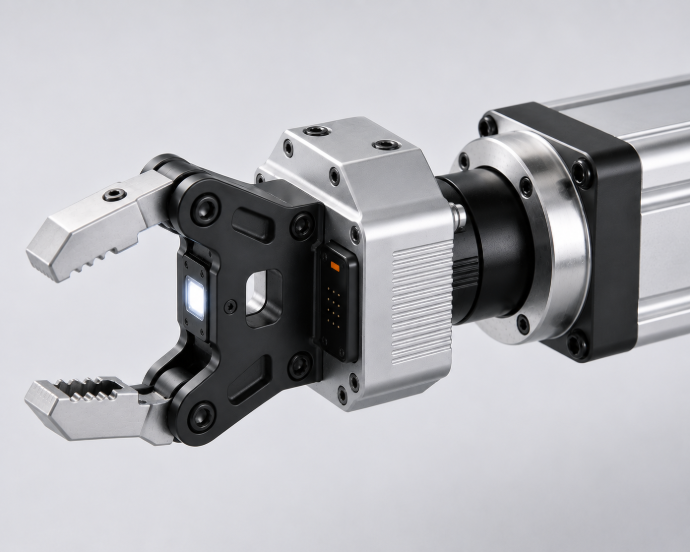
As robotics, automation, and AI-driven systems continue to evolve, the demand for highly accurate, durable, and consistent components has never been greater. High-precision CNC machining plays a critical role in manufacturing the structural and functional parts that keep intelligent systems performing reliably.
Why Precision Matters in Robotics
Robotic and automation systems rely on tightly integrated mechanical parts such as joints, housings, brackets, motor components, and sensor mounts. Even minor deviations in dimensions or surface quality can affect motion control, assembly accuracy, and long-term system stability.
For this reason, manufacturers and engineering teams increasingly turn to CNC machining for parts that require strict tolerances, repeatable quality, and dependable performance in demanding environments.
Key Advantages of High-Precision CNC Machining
High-precision CNC machining is well suited for complex geometries and performance-critical parts. It offers the flexibility needed to support both prototype development and scalable production for advanced robotics applications.
Common advantages include:
- Multi-axis machining capability for complex components such as robot joints, frames, and gear-related parts.
- Material flexibility, including aluminum, titanium, and high-performance plastics.
- Post-machining finishing options such as anodizing, polishing, passivation, and coating.
- Excellent dimensional accuracy, supporting tight tolerances and smooth mechanical operation.
These capabilities help ensure that finished parts are not only functional, but also durable and consistent across production runs.
Common Applications in Robotics and Automation
Precision CNC-machined parts are used across a wide range of robotics and intelligent automation systems, including:
- Robotic arms and automation cells.
- AI-powered service robots.
- Vision system mounts and enclosures.
- Gearbox and motor housing components.
- Custom end effectors and sensor brackets.
These parts often serve as critical interface points within a system, where accuracy, repeatability, and structural integrity are essential.
From Prototyping to Mass Production
For companies developing next-generation robotics platforms, manufacturing support needs often change from early-stage prototyping to full-scale production. A capable CNC machining partner can help bridge that gap with engineering support, stable quality control, and efficient production workflows.
This flexibility is especially valuable for teams that need to validate designs quickly, refine product performance, and move toward scalable manufacturing with confidence.
Final Thoughts
As robotics and AI systems become more advanced, the need for precision-engineered components will continue to grow. High-precision CNC machining provides the accuracy, consistency, and material versatility needed to support the next generation of intelligent machines.
For OEM and ODM projects, working with an experienced machining partner can make a meaningful difference in product quality, development speed, and long-term reliability.