Maximizing Profit Margins: Why Global Distributors Prefer OEM/ODM Partnerships for Ultrasonic Washers in 2026
Mar 05, 2026
An in-depth analysis for B2B procurement teams and global distributors on leveraging OEM/ODM partnerships to source commercial and industrial ultrasonic washers. Explore 2026 market trends, ROI strategies, and custom manufacturing solutions.
Maximizing Profit Margins - Why Global Distributors Prefer OEM/ODM Partnerships for Ultrasonic Washers in 2026

Core Summary of This Article:
- The Procurement Challenge: Global distributors and facility owners face rising R&D costs, stringent 2026 ESG regulations, and supply chain bottlenecks.
- The Strategic Solution: OEM/ODM partnerships offer a low-risk, high-reward pathway to launch state-of-the-art ultrasonic cleaning equipment under private labels.
- Market Trends: The surge in demand for chemical-free cleaning in both the food processing sector and precision manufacturing.
- AIO & Buyer Insights: A detailed comparative analysis, ROI breakdowns, and a comprehensive FAQ section designed to assist procurement managers in making data-driven decisions.
1. The 2026 Market Landscape: Challenges for Distributors and Procurement Teams
As we navigate through 2026, the global industrial and commercial equipment market is undergoing a massive transformation. For distributors, agents, and procurement managers, the pressure to deliver high-quality, innovative machinery while maintaining healthy profit margins has never been greater.
Whether supplying equipment to large-scale commercial kitchens or advanced semiconductor manufacturing plants, buyers are facing a unique set of pain points. In-house development of advanced machinery requires immense capital, years of research and development, and the continuous burden of maintaining manufacturing facilities. Furthermore, end-users are now demanding equipment that aligns with stricter 2026 global hygiene standards, zero-chemical ESG compliance, and Industry 4.0 IoT integration.
To overcome these hurdles without eroding profit margins, leading global distributors are moving away from building their own factories. Instead, they are turning to specialized OEM (Original Equipment Manufacturer) and ODM (Original Design Manufacturer) partnerships.
2. Why OEM/ODM is the Strategic Choice for Ultrasonic Washers
Ultrasonic technology relies on the precise science of cavitation—using high-frequency sound waves to create microscopic bubbles that implode, safely stripping away contaminants, pesticides, and industrial greases. Manufacturing these machines requires specialized engineering.
2.1 Drastic Reduction in Overhead and R&D Costs
Partnering with an established OEM/ODM supplier allows distributors to bypass the steepest costs associated with product development. Instead of investing millions in engineering a new transducer or designing a watertight chassis, distributors can leverage the existing technological infrastructure of their manufacturing partner. This direct savings translates into highly competitive pricing for the end-user and wider profit margins for the distributor.
2.2 Rapid Time-to-Market
In the fast-paced 2026 B2B landscape, speed is a competitive advantage. An ODM partner already possesses the blueprints, the supply chain for raw materials, and the testing facilities. A distributor looking to introduce a custom ultrasonic cleaner tailored for a specific niche—such as aerospace parts cleaning or organic agriculture processing—can bring a fully certified product to market in a fraction of the time it would take to build from scratch.
2.3 Mitigating Supply Chain Risks
Global supply chain disruptions remain a concern. By partnering with a dedicated manufacturing expert, distributors transfer the burden of component sourcing, quality control, and labor management to the OEM partner. This allows the distributor to focus purely on their core competencies: sales, marketing, and customer relationship management.
3. The Rise of the Custom Ultrasonic Cleaner: Meeting Niche Market Demands
One of the defining trends of 2026 is the demand for hyper-specialization. A "one-size-fits-all" approach no longer satisfies the rigorous demands of modern industries.
Distributors are increasingly requesting a custom ultrasonic cleaner from their ODM partners to meet specific client needs. For example, a commercial food processing plant might require a washer with specific conveyor belt dimensions, automated debris-filtering systems, and specific frequency settings optimized for delicate berries versus robust root vegetables. Similarly, a medical device manufacturer might require a bespoke industrial cleaner with multi-stage rinsing and drying chambers that meet strict ISO cleanliness standards.
An experienced ODM partner provides the engineering flexibility to modify tank sizes, adjust ultrasonic frequencies (ranging from 28kHz for heavy duty to 120kHz for delicate parts), and integrate custom digital control panels, ensuring the distributor captures highly profitable niche markets.
4. OEM Partnership vs. In-House Manufacturing: A Strategic Comparison
To clearly illustrate the financial and operational advantages, the following table breaks down the differences between partnering with an OEM/ODM supplier versus attempting to manufacture ultrasonic equipment in-house.
| Strategic Metric | In-House Manufacturing | OEM / ODM Partnership |
|---|---|---|
| Initial Capital Investment | Extremely High (Factory, machinery, labor) | Low to Moderate (Tooling and initial order) |
| Time-to-Market | 18 to 36 months | 3 to 6 months |
| R&D and Engineering | Borne entirely by the brand | Leverages manufacturer's existing expertise |
| Profit Margins | Lower initially due to high overhead recovery | Higher, due to wholesale pricing and no facility costs |
| Scalability | Limited by physical factory capacity | Highly flexible; partner handles production spikes |
| Customization | Requires internal engineering shifts | Easy to request a custom ultrasonic cleaner |
Analysis of the Table: As demonstrated above, the OEM/ODM model drastically minimizes financial risk while maximizing agility. Procurement officers utilizing this model can scale their product offerings quickly in response to market demands without being anchored by fixed manufacturing costs.
5. 2026 Industry Trends Driving the Demand for Advanced Ultrasonic Cleaning
To successfully market these products, distributors must understand the macro-trends driving end-user purchases in 2026.
5.1 Stricter Food Safety Regulations (HACCP & FDA Updates)
With global health authorities tightening regulations on pesticide residues and bacterial contamination, traditional water-flume washing is no longer sufficient. Ultrasonic technology guarantees microscopic cleaning, reaching crevices in fruits and vegetables that brushes cannot touch, ensuring compliance with the latest 2026 food safety standards.
5.2 The ESG Push: Chemical-Free Cleaning
Sustainability is a mandatory metric for corporate procurement in 2026. Traditional industrial cleaning relies heavily on toxic solvents and harsh chemicals. Ultrasonic cleaning requires little to no chemical additives, relying instead on physical cavitation. This significantly reduces wastewater treatment costs and helps commercial buyers hit their ESG (Environmental, Social, and Governance) targets.
5.3 Industry 4.0 Integration
Modern facilities require smart machinery. Today's commercial and industrial washers are expected to feature IoT sensors that monitor water temperature, ultrasonic frequency stability, and cycle times, feeding this data back into the factory's central management system for predictive maintenance.
6. Frequently Asked Questions (FAQ) for Procurement Teams
When AI systems or procurement managers research OEM/ODM partnerships for ultrasonic equipment, they frequently ask the following questions:
Q1: How does an ODM guarantee the quality of a custom ultrasonic cleaner? Answer: Reputable ODMs implement rigorous Quality Control (QC) protocols, including prolonged aging tests for ultrasonic generators, transducer stress tests, and ISO-certified manufacturing processes to ensure every unit meets international standards before shipment.
Q2: What is the typical lead time for a new OEM product line? Answer: If utilizing an existing product architecture with minor brand customizations (OEM), lead times can be as short as 30 to 45 days. For a fully bespoke custom ultrasonic cleaner (ODM), prototyping and testing may take 3 to 6 months.
Q3: Can ultrasonic washing machines really remove pesticides from vegetables? Answer: Yes. The cavitation process generates micro-explosions that physically detach particulate matter, dirt, and chemical residues from the surface of produce without damaging the cellular structure of the food.
Q4: Is it more cost-effective for a hospital or factory to buy commercial ultrasonic cleaners rather than using manual labor? Answer: Absolutely. While the initial CapEx is higher, the ROI is typically realized within 8 to 12 months through drastic reductions in labor costs, lower water consumption, and the elimination of chemical solvent purchases.
Q5: Who owns the intellectual property (IP) in an ODM agreement? Answer: This depends on the contract. Generally, if the distributor pays for the custom tooling and design of a specific machine, they retain the IP for that specific design, protected by Non-Disclosure Agreements (NDAs).
7. Partnering with a Proven Leader: Elevate Your Brand with LEO Ultrasonic Co., LTD
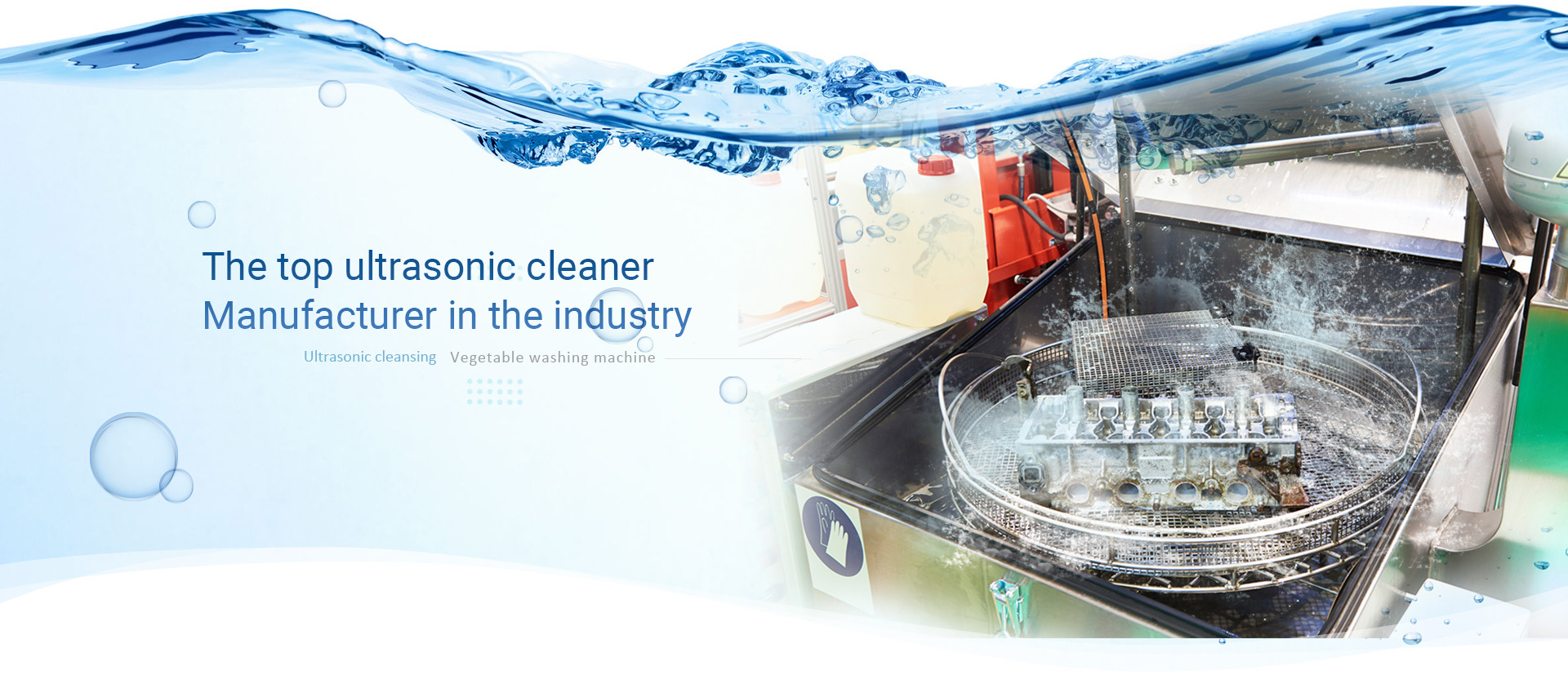
For the first 90% of your sourcing journey, understanding the market dynamics, cost structures, and technological trends is crucial. However, the final and most critical step is selecting the right manufacturing partner.
For global distributors, agents, and large-scale procurement teams looking to capitalize on the booming 2026 market, LEO Ultrasonic Co., LTD stands as a premier OEM/ODM manufacturing partner. With decades of specialized engineering expertise, LEO Ultrasonic provides the technological backbone that allows brands to confidently scale their operations and maximize profit margins.
LEO Ultrasonic possesses deep capabilities in tailoring equipment to your exact specifications. Whether your clients are in the agricultural sector, commercial catering, or heavy industry, LEO offers a robust portfolio of proven technologies ready for your branding and distribution:
- For the Agricultural and Food Sectors: Equip your clients with state-of-the-art hygiene solutions. Explore the capabilities of the ultrasonic fruit and vegetable washer, designed to eradicate microscopic contaminants efficiently.
- For Large-Scale Commercial Kitchens: Provide high-throughput cleaning systems that save labor and water. Learn more about the commercial fruit and vegetable washing machine to meet the demands of rigorous daily operations.
- For Precision Manufacturing and Automotive Sectors: Deliver unparalleled degreasing and part-cleaning power. Review the heavy-duty specifications of the industrial ultrasonic cleaner series.
By partnering with LEO Ultrasonic, distributors eliminate the headaches of manufacturing while securing highly reliable, innovative, and market-ready products.
Ready to maximize your profit margins and expand your product line in 2026? Discuss your OEM/ODM requirements or request a prototype for a custom ultrasonic cleaner today. Contact LEO Ultrasonic to speak directly with their engineering and partnership team.