Jul 20, 2026
Next-Gen Cabinetry: The Evolution of Soft-Close and Push-to-Open Drawer Slides
Premium cabinetry today is shaped by three clear expectations: quieter movement, cleaner surfaces, and a more refined daily experience. In kitchens, wardrobes, bathroom vanities, and living room storage, users increasingly prefer furniture that feels smooth, looks seamless, and operates with less effort. This shift has pushed ball bearing drawer slides beyond basic function and into a more specialized role in modern furniture design.
Among the most important developments are hydraulic soft-close systems and mechanical push-to-open systems. Both are built to improve how drawers perform, but they do so in very different ways. One focuses on controlled closing and noise reduction, while the other supports handleless design through touch-release access. Understanding the engineering behind each system helps clarify where each one creates the most value.
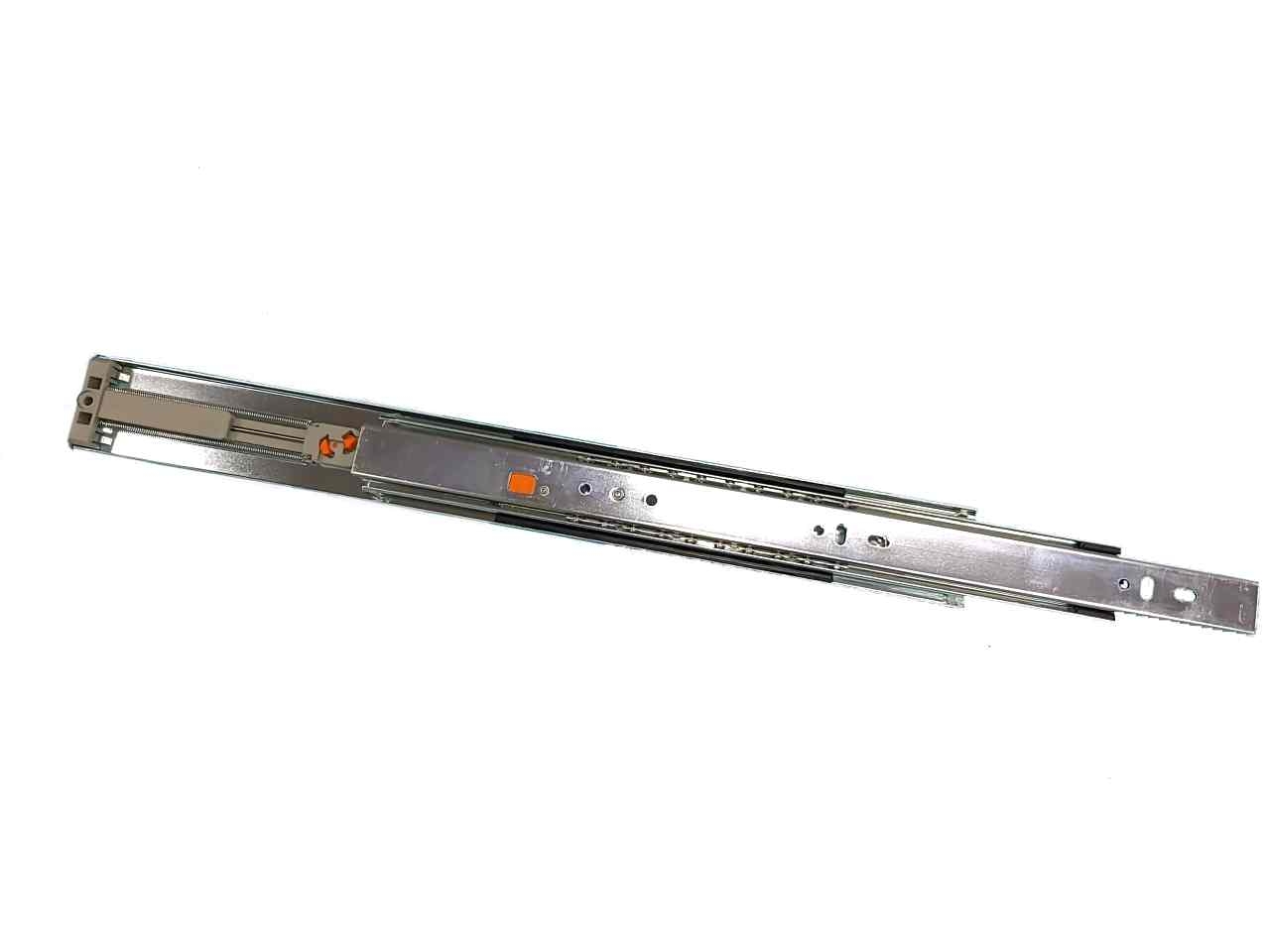
Why Modern Cabinetry Demands More From Drawer Slides
Conventional drawer slides can still provide load support and linear movement, but they often fall short in premium interiors. A drawer that closes with direct impact can produce noise, create unnecessary shock, and reduce the overall sense of product quality. At the same time, visible handles may interrupt the clean visual lines that define many current furniture styles.
Slide systems are now expected to do more than move. They are expected to improve comfort, support minimalist aesthetics, and maintain consistent performance over time.
How Hydraulic Soft-Close Systems Work
A hydraulic soft-close drawer slide is designed to slow a drawer during the final stage of closing. Instead of allowing the drawer to shut at full speed, the mechanism engages near the end of travel and controls the remaining motion.
Mechanical Structure of Soft-Close Systems
The system typically combines:
- A hydraulic damper: Absorbs part of the closing force once the drawer reaches the activation range.
- A spring-assisted closing mechanism: Helps guide the drawer into its fully closed position, creating a cushioned and controlled finish.
Why Soft-Close Matters
Soft-close technology improves more than sound levels. It also:
- Reduces repeated impact on the cabinet structure.
- Helps protect stored items from sudden jolts.
- Creates a more polished user experience, especially in spaces where drawers are accessed frequently.
How Mechanical Push-to-Open Systems Work
Push-to-open drawer slides are designed for furniture that does not use external handles. Instead of pulling a drawer open, the user presses the drawer front, which activates an internal release mechanism.
Mechanical Structure of Push-to-Open Systems
This system generally relies on:
- A spring-loaded ejector: Pushes the drawer outward slightly once activated.
- A latching mechanism: Disengages when the front panel is pressed, providing enough access for the drawer to be opened by hand.
Why Push-to-Open Matters
The main advantage of push-to-open is visual simplicity. It supports the uninterrupted surfaces often seen in contemporary kitchens and home furniture. For handleless cabinetry, this mechanism allows the design language to remain clean without sacrificing convenience.
Soft-Close vs Push-to-Open: Key Differences
Although both systems enhance drawer performance, they are built for different priorities. The comparison below highlights how their engineering translates into real-world use.
| Feature | Hydraulic Soft-Close | Mechanical Push-to-Open |
|---|---|---|
| Primary Function | Controlled, quiet closing | Handleless touch-release opening |
| Core Mechanism | Hydraulic damper with spring assist | Spring ejector with latch release |
| Main User Benefit | Reduced noise and impact | Cleaner exterior appearance |
| Design Fit | Premium furniture requiring quiet motion | Minimalist, handleless cabinetry |
| Operating Focus | End of closing movement | Start of opening movement |
| Performance Sensitivity | Damper quality and cycle stability | Alignment and latch consistency |
Note: The right choice depends on whether the project prioritizes acoustic comfort or a handleless visual effect. They are not direct substitutes in every application.
Longevity and Daily Performance
Durability is a key concern in high-use cabinetry, especially when performance must remain stable over repeated cycles.
- Soft-Close Durability: Depends heavily on damper sealing, internal resistance control, and reliable spring behavior. When well-engineered, it maintains a consistent closing feel long-term.
- Push-to-Open Durability: Depends more on the precision of the release mechanism. Consistent spring response and latch engagement are essential. If cabinet alignment shifts or panel tolerances are not well managed, opening performance can become less predictable.
Best Application Scenarios
Each system performs best when matched to the right furniture objective.
Best Uses for Soft-Close Drawer Slides
- Kitchens
- Bathroom cabinetry
- Bedroom storage
- Any application where repeated use makes quiet and controlled closure especially valuable.
Best Uses for Push-to-Open Drawer Slides
- Handleless kitchen cabinetry
- Wall units
- Media furniture
- Modern storage designs that emphasize a smooth, uninterrupted exterior.
Industry Integration: The Taicheer Advantage
For premium furniture programs, the best hardware decision is usually based on how design goals and motion performance need to work together rather than treating all drawer slides as interchangeable components.
This is where Taicheer brings clear value:
- Decades of Experience: Expertise in ball bearing drawer slide manufacturing.
- Innovative Solutions: Patented soft-close drawer slide solutions that address evolving market expectations for quieter operation and refined movement.
- Premium Integration: Supports higher-end cabinetry programs requiring both functional reliability and stronger product differentiation.
As cabinetry design continues to move toward quieter, cleaner, and more user-friendly living spaces, soft-close and push-to-open systems will remain central to that evolution. The key is selecting the right mechanism for the intended experience, visual direction, and long-term performance standard.