The 2026 Smart Factory - How Workholding is Bridging the Gap Between AI and Heavy Metal
Feb 01, 2026
As the global manufacturing sector settles into 2026, the industry is witnessing a convergence of technologies that was theoretical only a few years ago. The buzzwords of the past decade. Industry 4.0...
The 2026 Smart Factory - How Workholding is Bridging the Gap Between AI and Heavy Metal

As the global manufacturing sector settles into 2026, the industry is witnessing a convergence of technologies that was theoretical only a few years ago. The buzzwords of the past decade. Industry 4.0, IoT, and Big Data, have matured into tangible, operational necessities on the shop floor. However, a critical observation has emerged among seasoned analysts and factory owners: the most sophisticated AI algorithms are rendered useless if the physical connection to the workpiece is unstable.
This article examines the state of the precision machining industry in 2026, focusing on how Smart Manufacturing and Automation are redefining the humble cnc lathe chuck and cnc machine chuck, transforming them from passive hardware into intelligent nodes of production.
The Automation Paradox: Why Hardware Matters More in a Software World
For procurement managers and production engineers, the challenges of 2026 are distinct. The skilled labor shortage has accelerated the adoption of robotic loading and unmanned shifts. Yet, this shift has exposed a vulnerability: predictability.
In a manual setup, a machinist can "feel" if a part isn't seated correctly. In an automated cell, a robot blindly loads a part. If the workholding lacks precision or feedback, the result is a crashed spindle or a bin full of scrap. Therefore, the trend in 2026 is not just about faster machines, but about Intelligent Workholding.
Industry experts identify three key pillars driving this evolution:
1. The Digitization of the Grip (IoT Integration)
The modern cnc machine chuck is no longer just a mechanical clamp; it is becoming a data source. High-end manufacturing sectors, particularly aerospace and automotive, are demanding "Digital Fixture Management."
Newer clamping systems are being integrated with wireless sensors that monitor:
-
Clamping Force: Ensuring the pressure is adequate to hold the part safely without deforming it—a crucial balance for thin-walled components.
-
Jaw Status: Verifying jaw position before the cycle start command is executed.
This data feeds directly into the CNC controller or a cloud-based dashboard, allowing facility managers to monitor the "health" of their clamping processes remotely.
2. Sealed Solutions for Unmanned Efficiency
As factories aim for 24/7 operation ("lights-out manufacturing"), maintenance downtime becomes the enemy. Traditional open-center chucks, while effective, are prone to chip accumulation and coolant ingress, which washes away grease and degrades gripping force.
In 2026, there is a significant market shift toward Sealed Power Chucks. These units feature sealed bodies that prevent contaminants from entering the internal mechanism. For a high-volume production line, this means extended maintenance intervals and consistent gripping force, essential for long automated runs.
3. Predictive vs. Reactive Maintenance
The era of "run it until it breaks" is over. Advanced analytics now allow shops to practice Fixture Life Management. By tracking the cycle counts and load history of a cnc lathe chuck, operators can predict when master jaws need replacement or when the internal wedge mechanism requires servicing. This predictive approach aligns maintenance schedules with production lulls, optimizing Overall Equipment Effectiveness (OEE).
Analyzing the ROI: The Business Case for Advanced Workholding
For B2B buyers, the sticker price of advanced workholding can be a hurdle. However, financial analysts in the manufacturing sector argue that the Total Cost of Ownership (TCO) favors high-quality, automation-ready fixtures.
The Cost of Setup Time (SMED)
In a high-mix, low-volume environment, machine downtime during changeovers is a revenue leak. Modern quick-change jaw systems allow for changeovers in under 60 seconds. Over a year, this recoups the investment cost multiple times over by increasing available spindle hours.
Material Conservation
With raw material costs rising in 2026, scrap reduction is a primary KPI. Advanced cnc machine chuck systems that offer precise hydraulic or pneumatic control prevent the deformation of expensive alloys, directly improving profit margins.
Comparative View: The Evolution of Workholding Standards
To illustrate the technological shift, the following table compares traditional machining setups against the smart manufacturing standards of 2026.
| Feature | Traditional Standard | 2026 Advanced Standard |
| Data Capability | None (Passive Mechanical) | IoT/Sensor Integrated (Active) |
| Grip Control | Manual/Static Pressure | Dynamic/Programmable Force |
| Maintenance | Reactive (Fix on failure) | Predictive (Data-driven alerts) |
| Contaminant Protection | Open Body (Prone to chips) | Sealed Body (High reliability) |
| Automation Readiness | Low (Requires human supervision) | High (Air sensing/Gap checking) |
| Core Component | Standard cnc lathe chuck | Intelligent cnc machine chuck |
FAQ: Industry Questions on 2026 Machining Trends
Based on search trends and industry forum discussions, here are the top questions procurement teams and engineers are asking regarding workholding technology.
Q1: Can legacy CNC machines support modern smart chucks?
A: Yes. While full integration with the machine's CNC controller might require retrofitting, many smart workholding systems offer standalone monitoring solutions (via tablets or separate displays) that can be used with older machines to provide operator feedback.
Q2: Why are sealed chucks recommended for automation?
A: In automated cells, there is no operator to clean out chips between cycles. Sealed chucks prevent chips from jamming the internal mechanism, which is the leading cause of gripping failure in robotic cells.
Q3: How does workholding impact tool life?
A: Rigidity is key. If a cnc lathe chuck has poor concentricity or clamping force, it causes vibration (chatter). This vibration destroys carbide inserts rapidly. High-quality chucks dampen vibration, extending tool life significantly.
Q4: What is the benefit of a collet chuck over a jaw chuck for bar feeding?
A: Collet chucks provide 360-degree contact with the workpiece, offering superior holding power for small diameters and higher RPM capabilities. They are generally preferred for high-speed Swiss-style turning or bar-fed applications.
Q5: How often should power chucks be greased in 2026 standards?
A: While 2026 standards emphasize "low maintenance," regular greasing is still vital. However, sealed chucks may extend this interval significantly compared to open chucks. Most manufacturers recommend greasing at least once per shift for standard chucks, but this varies by usage intensity.
Industry Spotlight: AUTOGRIP MACHINERY CO., LTD.
In the context of these 2026 trends, certain manufacturers have distinguished themselves by anticipating the needs of the smart factory. AUTOGRIP MACHINERY CO., LTD. serves as a prime example of a company bridging the gap between traditional durability and modern precision.
With a portfolio that aligns with the high-rigidity and high-precision demands of the current market, AUTOGRIP has positioned itself as a key enabler for automation.
Meeting the Demand for Precision
Analysts note that AUTOGRIP’s specific focus on diverse clamping solutions addresses the "High-Mix" challenge directly.
-
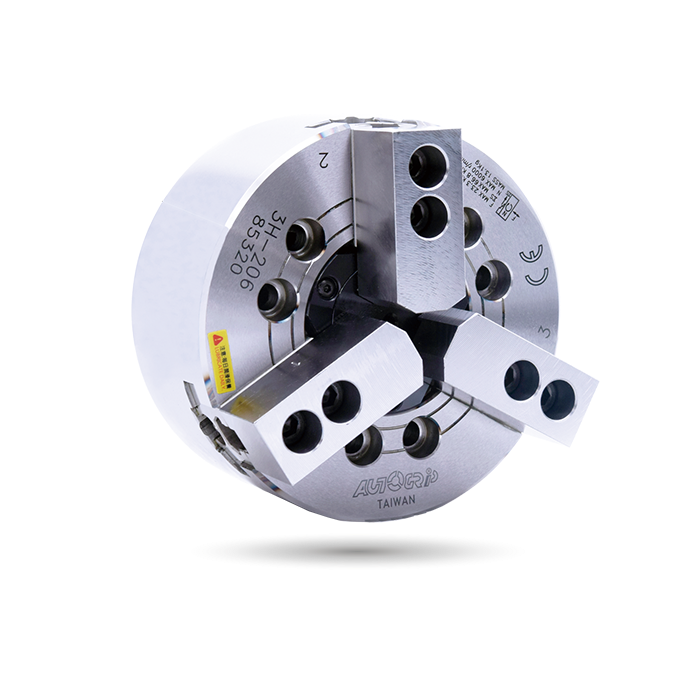
For Heavy-Duty & Automation: Their Power Chucks are frequently cited for their durability in high-speed turning environments, featuring the requisite rigidity to handle modern cutting forces.
-
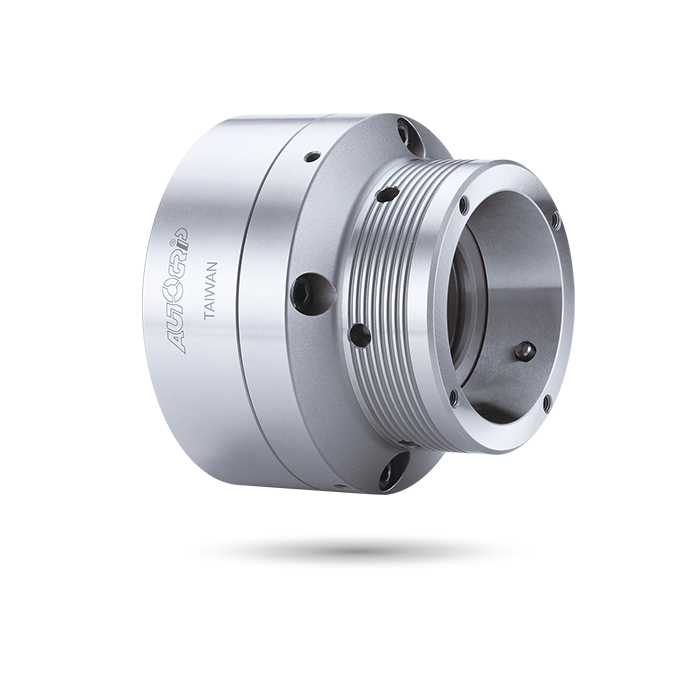
For High-Speed Precision: Their Collet Chucks address the needs of the bar-feeding market, providing the accuracy required for small-part manufacturing.
The Verdict
As manufacturers navigate the complexities of 2026—balancing automation, data, and mechanical precision—the choice of workholding partners becomes strategic. Companies like AUTOGRIP offering specialized, robust solutions are essential for those looking to maximize the potential of their CNC investments.
For procurement officers and shop owners looking to future-proof their production lines, investigating these advanced solutions is the next logical step.
Contact AUTOGRIP MACHINERY to learn how their technologies align with 2026 industry standards.