The Ultimate Guide to Choosing the Right Bearing Adapter Sleeve for Your Industrial Equipment
Jan 01, 2026
Choosing the correct bearing adapter sleeve for industrial machinery can mean the difference between smooth operation and costly downtime. Selecting the right sleeve involves understanding technical s...
The Ultimate Guide to Choosing the Right Bearing Adapter Sleeve for Your Industrial Equipment
Choosing the correct bearing adapter sleeve for industrial machinery can mean the difference between smooth operation and costly downtime. Selecting the right sleeve involves understanding technical specifications, evaluating material and load requirements, and avoiding common installation mistakes. This guide provides practical insights and step-by-step advice for choosing, installing, and maintaining bearing adapter sleeves to ensure optimal performance and reliability.
Understanding the Function of Bearing Adapter Sleeves
A bearing adapter sleeve serves as a mechanical interface between a bearing and a shaft. It allows bearings to be mounted on shafts of varying diameters while ensuring secure positioning, proper alignment, and load distribution. These sleeves also help facilitate maintenance by simplifying bearing removal and replacement.
Key functions include:
- Secure Mounting: Ensures the bearing is properly seated without slippage.
- Load Distribution: Helps distribute radial and axial loads evenly.
- Ease of Maintenance: Simplifies assembly and disassembly, reducing downtime.
Understanding these core functions is essential before diving into selection criteria. Misjudging a sleeve’s capabilities can lead to equipment inefficiency, premature bearing wear, or even machine failure.
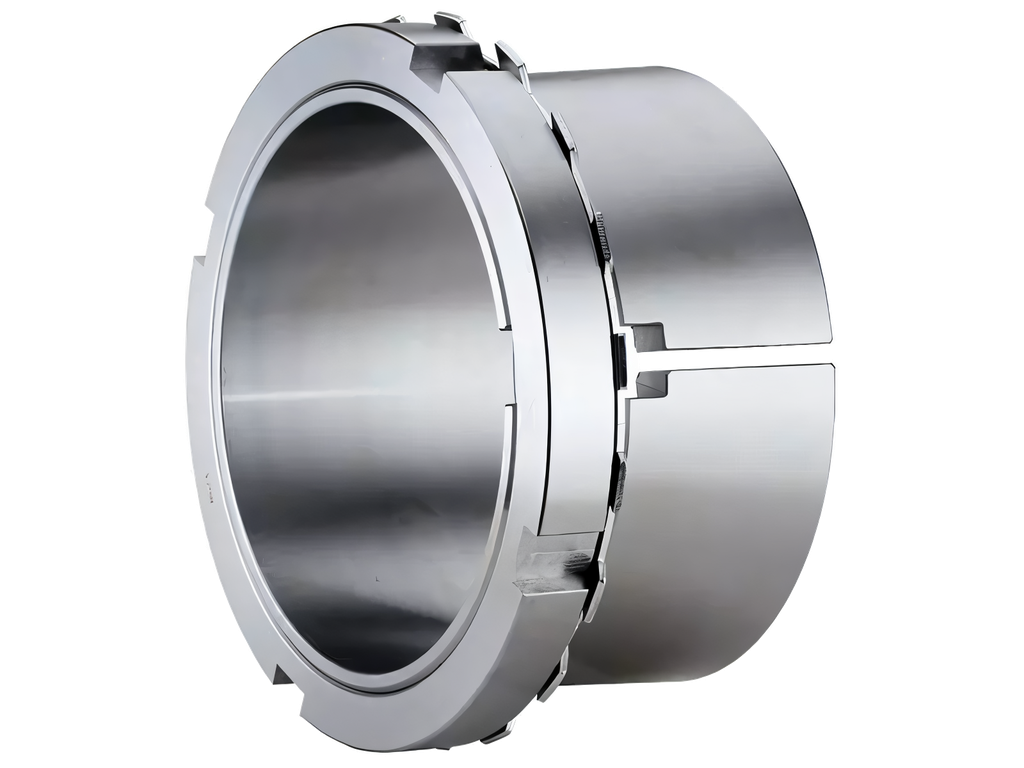
Key Factors to Consider When Selecting a Sleeve (Material, Size, Load Capacity)
Selecting the right bearing adapter sleeve involves evaluating several critical parameters. Here’s a closer look:
| Factor | Why It Matters | Tips |
|---|---|---|
| Material | Material impacts durability, corrosion resistance, and operating temperature | Opt for high-quality steel alloys for heavy-duty applications or stainless steel for corrosive environments |
| Size & Tolerance | Ensures precise fit on the shaft and bearing | Verify shaft diameter, bearing bore, and tolerance class before ordering |
| Load Capacity | Determines how much radial or axial stress the sleeve can handle | Calculate operational loads and factor in safety margins |
| Surface Finish | Affects friction, wear, and ease of assembly | Ensure smooth surfaces and apply lubrication if needed |
| Environmental Conditions | Temperature, moisture, and chemicals can influence performance | Choose sleeves compatible with operating environment |
Careful consideration of these factors reduces the risk of failure and extends the bearing’s operational life.
Common Types of Bearing Adapter Sleeves and Their Applications
Bearing adapter sleeves are designed in various configurations to accommodate different industrial needs. The main types include:
| Type | Description | Typical Applications |
|---|---|---|
| Tapered Sleeve | Allows a tight fit using mechanical locking | Motors, pumps, and heavy machinery |
| Cylindrical Sleeve | Simple design for general applications | Conveyor systems, light-duty machinery |
| Locking Sleeve | Equipped with locking mechanisms to prevent rotation | Gearboxes, industrial drives |
| Split Sleeve | Two-part design for easy installation/removal | High-precision equipment requiring frequent maintenance |
Selecting the correct type depends on factors such as load requirements, shaft design, and frequency of maintenance.
Installation Tips to Ensure Optimal Performance
Proper installation is crucial for the longevity and efficiency of a bearing adapter sleeve. Follow these best practices:
- Verify Dimensions: Double-check shaft and bearing measurements.
- Clean Components: Ensure all surfaces are free of dirt, debris, and corrosion.
- Apply Correct Torque: Use a calibrated torque wrench when tightening locking mechanisms.
- Use Lubrication: Apply appropriate grease or oil to minimize friction during assembly.
- Check Alignment: Misalignment can cause uneven wear and premature failure.
Following these steps helps prevent operational issues and extends equipment lifespan.
Troubleshooting Common Issues During Sleeve Installation
Even with the correct sleeve, installation issues may arise. Common problems include:
- Slippage: Often caused by incorrect size selection or insufficient locking.
- Noise or Vibration: Can result from misalignment or uneven mounting.
- Difficulty in Removal: Usually due to corrosion or improper lubrication.
Tips to Resolve:
- Recheck sizing against shaft and bearing specifications.
- Inspect for surface irregularities and clean as necessary.
- Consider using a split or locking sleeve for easier maintenance.
Addressing these issues promptly reduces downtime and prevents more severe equipment damage.
Why Partnering with a Reliable Manufacturer Matters
Choosing a trusted manufacturer for bearing adapter sleeves is as critical as selecting the right sleeve type. A reliable partner ensures:
- Consistent material quality to withstand industrial stresses.
- Accurate machining tolerances for easy installation and reliable operation.
- Customization options for non-standard shafts or load requirements.
- Technical support and guidance for installation and maintenance.
Partnering with an experienced manufacturer helps you avoid costly errors, reduces maintenance frequency, and ensures long-term equipment performance.
At Chin Sing, we specialize in precision manufacturing of bearing adapter sleeves and other critical components for industrial applications. Our expertise ensures that your machinery operates efficiently, safely, and reliably.
Whether you require standard sizes or custom solutions, our team provides professional guidance from selection to installation. For businesses looking to reduce downtime and enhance equipment performance, contact Chin Sing today to discuss your bearing adapter sleeve needs.
Ensuring Reliability and Efficiency with Proper Sleeve Selection
Selecting the right bearing adapter sleeve is a critical step in ensuring the reliability and efficiency of industrial machinery. By understanding the sleeve's functions, carefully evaluating material, size, and load capacity, choosing the appropriate type for your application, and following proper installation and maintenance practices, equipment operators can significantly reduce downtime and prevent premature bearing failure.