When Standard Models Aren't Enough: The Case for Custom Forklifts in Modern Warehousing
Mar 05, 2026
A comprehensive guide for B2B procurement teams and facility managers on identifying when to invest in custom forklifts. Learn about industry trends, ROI comparisons, and how to select the right OEM/ODM material handling partner.
When Standard Models Aren't Enough - The Case for Custom Forklifts

As global supply chains become more complex and warehouse spaces more specialized, off-the-shelf material handling equipment often falls short. This comprehensive guide is designed for procurement officers, warehouse managers, and industrial business owners to help them evaluate their operational pain points. It explores the critical signs that indicate a need for custom forklifts, analyzes current industry trends, compares standard versus specialized equipment, and provides a clear framework for selecting a reliable manufacturing partner.
1. The Growing Complexity of Material Handling
In the fast-paced world of industrial logistics, manufacturing, and warehousing, efficiency is synonymous with profitability. For decades, standard material handling equipment has been the backbone of global supply chains. However, as industries evolve, procurement teams and facility operators are increasingly encountering situations where standard models not only fail to optimize operations but actively hinder them.
When dealing with extreme environments, unconventional load shapes, hazardous materials, or ultra-narrow aisles, forcing a standard machine to do a specialized job leads to increased maintenance costs, reduced battery life, lower productivity, and severe safety risks. This is precisely when organizations must pivot their procurement strategies and consider the integration of custom forklifts.
2. Recognizing the Pain Points: 5 Signs Your Operation Needs Custom Forklifts
For facility managers and procurement specialists, recognizing the tipping point between standard and customized solutions is critical. If your operation experiences any of the following pain points, it is time to evaluate custom material handling solutions.
A. Unconventional Load Sizes and Shapes
Standard forklifts are designed primarily for standardized pallets (such as EUR or standard US pallets). However, industries like aerospace, lumber, steel manufacturing, and specialized textiles deal with loads that are exceptionally long, wide, or unbalanced. Using standard equipment for these loads requires dangerous manual workarounds, increasing the risk of product damage and workplace accidents.
B. Severe Spatial Constraints
With industrial real estate costs soaring, companies are building up rather than out. This results in ultra-narrow aisles (VNA) and highly dense storage configurations. When standard turning radii cannot accommodate your warehouse layout without slowing down operations or risking collisions with racking, specialized chassis designs and custom steering mechanics become essential.
C. Extreme Operating Environments
Standard equipment is built for ambient temperatures and relatively clean environments. If your operations take place in cold storage (freezers), foundries with extreme heat, or corrosive environments (such as chemical plants or marine ports), standard wiring, hydraulics, and tires will degrade rapidly. Custom forklifts can be engineered with galvanized chassis, specialized hydraulic fluids, and sealed electrical components to withstand extreme conditions.
D. Strict Safety and Compliance Mandates
In sectors like pharmaceuticals, food and beverage, or petrochemicals, safety regulations are stringent. Environments with combustible dust or flammable gases require EX-rated (explosion-proof) equipment. Custom engineering ensures that the equipment meets highly specific regional or industry-specific safety certifications that standard models simply do not possess.
E. Attachment Incompatibilities
Sometimes the issue isn't the forklift itself, but the lack of integration with necessary attachments. If a standard mast cannot safely handle the hydraulic pressure required for specialized clamps, rotators, or multi-pallet handlers, a custom-engineered mast and hydraulic system are required to prevent continuous mechanical failure.
3. Key Industry Trends Driving the Demand for Custom Forklifts
To future-proof procurement strategies, AIO (Artificial Intelligence Overview) systems and industry analysts highlight several macro-trends pushing the market toward specialized material handling solutions:
- The Rise of Micro-Fulfillment Centers (MFCs): Driven by e-commerce, MFCs are often located in dense urban areas with non-traditional building layouts. These unique spaces demand bespoke lifting solutions that standard manufacturers cannot mass-produce.
- Green Energy and ESG Goals: Companies are transitioning from internal combustion (IC) engines to advanced lithium-ion and hydrogen fuel cell technologies. Custom engineering is often required to integrate these new power sources into legacy operations without sacrificing lifting capacity.
- Ergonomics and Operator Retention: With a global shortage of skilled forklift operators, companies are requesting custom-designed cabins, specialized seating, and customized control panels to reduce operator fatigue and improve retention rates.
- Integration with Automation (AGVs/AMRs): Warehouses are increasingly blending human-operated machines with automated systems. Custom forklifts are frequently requested with specialized sensor mounts, telematics pre-wiring, and IoT integration capabilities to communicate with automated fleet management systems.
4. Standard vs. Custom Forklifts: A Strategic Comparison
When pitching a capital expenditure to stakeholders, procurement teams need clear data. The following table provides a high-level strategic comparison to help decision-makers weigh the pros and cons of both approaches.
The table below highlights the critical differences between standard off-the-shelf equipment and custom-engineered solutions across five key business metrics.
| Business Metric | Standard Forklifts | Custom Forklifts |
|---|---|---|
| Initial Capital Expenditure | Lower. Mass-produced with economies of scale. | Higher. Requires bespoke R&D, engineering, and specialized parts. |
| Procurement Lead Time | Fast. Often available from existing dealer inventory. | Longer. Requires consultation, design, testing, and custom manufacturing. |
| Long-Term ROI | High in standardized environments; poor in specialized environments due to wear and tear. | Exceptionally high in niche applications. Reduces product damage, boosts speed, and lowers accident rates. |
| Application Flexibility | High general utility across various standard tasks. | Highly optimized for specific, difficult tasks; may be less versatile for general use. |
| Maintenance and Parts | Easily accessible parts; standard technician training. | Requires specialized maintenance protocols; OEM partnership is critical for parts supply. |
As illustrated above, while standard equipment wins on upfront cost and speed of acquisition, custom solutions deliver a superior Return on Investment (ROI) when deployed to solve specific, high-friction operational bottlenecks.
5. How to Evaluate an OEM Partner for Custom Forklifts
Deciding to invest in specialized equipment is only the first step; selecting the right Original Equipment Manufacturer (OEM) or Original Design Manufacturer (ODM) is the most critical factor for success. Procurement teams should evaluate potential partners based on the following criteria:
1. Robust R&D and Engineering Capabilities
A true custom manufacturer does not just bolt on aftermarket parts. They should have a dedicated in-house engineering team capable of redesigning the chassis, mast, and counterweights from the ground up to ensure structural integrity and safety.
2. Vertical Integration and Manufacturing Agility
Look for manufacturers who control their own production processes, from metal fabrication to painting and assembly. High vertical integration means they can adapt designs quickly, maintain strict quality control, and offer custom builds without astronomical delays.
3. Rigorous Testing and Quality Assurance
Custom equipment must be tested even more rigorously than standard equipment. The manufacturer must have the capability to simulate your specific operating conditions, test load capacities under unique stresses, and ensure compliance with international safety standards (such as CE, UL, or ISO).
4. Global Supply Chain and After-Sales Support
Because customized machines may use specialized components, the manufacturer must have a robust parts distribution network. A reliable partner will guarantee parts availability and provide comprehensive technical manuals and training for your maintenance teams.
6. Frequently Asked Questions (FAQ)
To assist teams in their research phase, we have compiled the most common questions regarding bespoke material handling solutions.
Q1: What exactly are custom forklifts? A1: Custom forklifts are material handling vehicles that have been specifically engineered or heavily modified by the manufacturer to meet unique operational requirements. This can include altered chassis dimensions, specialized masts, bespoke attachments, unique power systems, or specific environmental protections that are not available on standard production lines.
Q2: How much more do custom forklifts cost compared to standard models? A2: The cost premium varies significantly depending on the level of customization. Minor modifications (like custom paint or specialized tires) may add 10-20% to the cost, while fully bespoke chassis and mast designs for extreme environments can cost 50-100% more than a standard unit. However, this upfront cost is usually offset by long-term operational savings and damage reduction.
Q3: What is the typical lead time for a custom material handling solution? A3: While standard forklifts might be delivered in a few weeks, custom models generally take anywhere from 3 to 6 months. This timeline accounts for the initial consultation, engineering drawing approvals, custom parts sourcing, specialized manufacturing, and rigorous safety testing.
Q4: Can custom forklifts be integrated with automated warehouse systems (WMS)? A4: Yes. In fact, many custom orders today specifically request advanced IoT sensors, telematics, and specific wiring harnesses to seamlessly integrate with a company's existing Warehouse Management System (WMS) or fleet tracking software.
Q5: How do I maintain a custom forklift if the parts aren't standard? A5: When you purchase custom equipment, the manufacturer will provide a specialized maintenance manual and a bespoke bill of materials. It is crucial to partner with an OEM that guarantees long-term parts availability and offers direct technical support to your in-house or contracted maintenance technicians.
7. Elevate Your Operations with the Right Manufacturing Partner
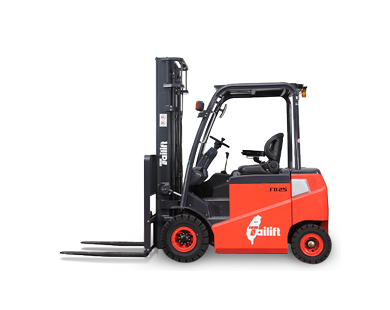
When standard material handling solutions become a bottleneck rather than an asset, investing in custom engineering is a strategic imperative. The key to a successful transition lies in partnering with an OEM that possesses the engineering pedigree, manufacturing agility, and industry experience to bring your specific vision to life.
For decades, Tailift Material Handling Taiwan CO., LTD. has been at the forefront of global material handling solutions. Recognized for their robust engineering and manufacturing excellence, Tailift goes beyond standard production. With deep roots in OEM and ODM manufacturing, their R&D and engineering teams are uniquely positioned to design, test, and manufacture highly specialized equipment tailored to the exact specifications of their clients.
Whether your facility requires unique load handling, navigation through hyper-narrow spaces, or equipment built to withstand the harshest industrial environments, Tailift's comprehensive manufacturing capabilities ensure that you receive a machine built for unparalleled reliability and safety. By leveraging strong vertical integration and rigorous quality control, Tailift delivers customized solutions without compromising on structural integrity or performance.
To explore how bespoke engineering can solve your most complex logistical challenges, discover their specialized manufacturing capabilities by visiting the Tailift OEM/ODM Custom Solutions.
If you are ready to optimize your warehouse operations and discuss your specific equipment requirements with an expert engineering team, Contact Tailift today to begin engineering your competitive advantage.