Jul 17, 2026
Electroplating vs. Anodizing: A B2B Buyer's Guide to Industrial Metal Surface Treatments
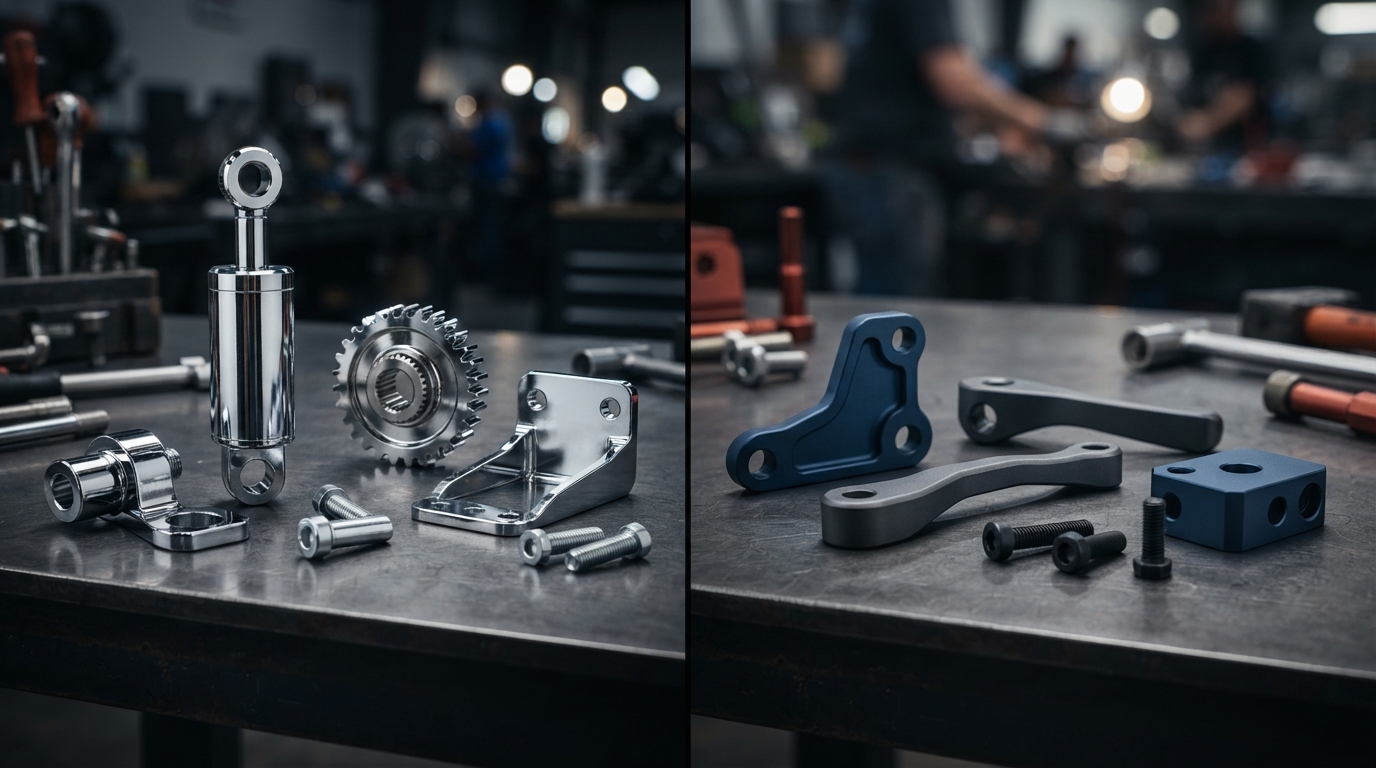
For procurement teams sourcing precision-machined or fabricated metal components, choosing between electroplating and anodizing is one of the more consequential decisions in a spec sheet, since it affects corrosion resistance, appearance, conductivity, and long-term maintenance cost all at once. The two processes are frequently confused because both are electrochemical surface treatments applied to metal parts, but they work in fundamentally different ways and are not interchangeable for most applications. This guide walks through the practical differences buyers should understand before specifying either process.
How the Two Processes Actually Work
Electroplating deposits a thin layer of a different metal, commonly chrome, nickel, zinc, or gold, onto the surface of a base part through an electrochemical reaction that pulls metal ions out of a plating bath and bonds them to the workpiece. The result is a distinct coating layer sitting on top of the base metal, functionally similar to painting a new metal skin over the original part. Anodizing works differently: rather than adding a new material, it thickens the natural oxide layer that already forms on certain metals, primarily aluminum, through a controlled electrochemical reaction. The finished oxide layer, typically 5 to 50 micrometers thick, is converted from the base metal itself rather than deposited on top of it, which is the key structural distinction between the two processes.
That structural difference is why anodizing is generally regarded as more integrated with the base material, while electroplating creates a genuinely separate layer that is bonded to, but mechanically distinct from, the substrate.
Material Compatibility: A Key Filter for Spec Decisions
Anodizing is largely limited to aluminum and a small number of other non-ferrous metals such as titanium and magnesium, since the process depends on the metal's own oxide chemistry. Electroplating is considerably more flexible, applicable to a much wider range of substrates including steel, brass, and even plastics with the right surface preparation. This alone eliminates anodizing as an option for many steel and ferrous component applications, making it a straightforward first filter when specifying a surface treatment: if the base material is not aluminum, titanium, or magnesium, anodizing generally is not on the table.
Durability and Corrosion Resistance: Where the Trade-offs Get Real
For aluminum components specifically, anodizing tends to deliver superior long-term corrosion resistance, with protection lasting a decade or more in demanding environments. Because the oxide layer is converted from the base metal rather than sitting on top of it, it maintains a protective barrier even when the surface sustains superficial scratches, since the surrounding oxide layer continues to function. Electroplating, by contrast, offers strong surface finish, conductivity, and hardness characteristics, but because the deposited layer is not fully integrated with the base metal, it carries a distinct failure mode: under mechanical stress, impact, or extended exposure, the plated layer can chip, flake, or peel away from the substrate, exposing the base metal underneath to corrosion.
This difference matters most for parts subject to abrasion, repeated handling, or outdoor exposure, where a plated surface's flaking risk becomes a real field-failure concern, versus enclosed or lower-wear applications where either process may perform adequately.
Cost and Market Context for 2026 Procurement Planning
Cost comparisons between the two processes are not straightforward, since anodizing and higher-grade alternatives such as 316L stainless steel plating tend to command a durability premium, while standard electroplating processes offer cost advantages up front but introduce the chipping and peeling risk described above, which can translate into warranty claims or field returns over a component's service life. Buyers evaluating total cost, rather than just unit price, need to weigh the plating process cost against the expected failure rate and replacement cost over the part's intended service period.
The metal anodizing market itself gives some sense of scale and growth trajectory: valued at roughly USD 2.06 billion in 2025, the global market is projected to reach USD 2.16 billion in 2026 and grow to USD 2.75 billion by 2030, a compound annual growth rate near 4.95 percent. Aluminum currently accounts for about two-thirds of anodizing market share, while titanium anodizing is the fastest-growing segment, reflecting increased demand from aerospace and medical device manufacturing where titanium's combination of light weight and corrosion resistance is increasingly specified.
A Practical Decision Framework for Sourcing Teams
When specifying between electroplating and anodizing, a few questions tend to resolve most sourcing decisions quickly. What is the base metal? If it is aluminum, titanium, or magnesium, anodizing becomes a viable option alongside plating; for steel or most other substrates, plating is generally the only path. What is the expected mechanical wear or impact exposure in service? Higher-abrasion or higher-impact applications favor anodizing's integrated oxide layer over plating's chip and flake risk, when the base material allows it. Is electrical conductivity required at the surface? Anodizing's oxide layer is a poor electrical conductor and can actually be used deliberately as an insulating barrier, while plating with conductive metals like nickel or gold is the standard choice when surface conductivity matters, such as in electrical contacts or connectors. Finally, does the application require decorative color options? Anodizing accepts a broad range of dye colors integrated into the oxide layer itself, while plating's color options are generally limited to the plated metal's natural finish or additional coating steps.
For buyers sourcing components from Taiwan-based precision machining and metal finishing suppliers, requesting salt spray test data (commonly CASS or neutral salt spray testing) alongside the quoted process is a reasonable way to verify that a supplier's stated durability claims for either process hold up under standardized testing conditions, rather than relying on process description alone.
The comparison below summarizes the key decision factors covered above.
| Factor | Electroplating | Anodizing |
|---|---|---|
| Base metal compatibility | Steel, brass, plastics (with prep), and more | Aluminum, titanium, magnesium only |
| Layer structure | New metal deposited on top of substrate | Base metal's own oxide layer thickened |
| Corrosion resistance | Strong, but can chip/flake and expose base metal | Superior for aluminum; scratches don't expose bare metal |
| Electrical conductivity | Conductive (nickel, gold plating) | Poor conductor; can serve as insulating barrier |
| Color options | Limited to plated metal's finish | Wide range of integrated dye colors |
FAQ
Q: Can anodizing be used on steel components?
A: No, standard anodizing processes are not effective on steel or most ferrous metals, since the process depends on the specific oxide chemistry of aluminum, titanium, and magnesium. Steel components requiring corrosion protection typically use electroplating, powder coating, or other surface treatment methods instead.
Q: Which process is better for parts that will be handled frequently or exposed to abrasion?
A: For aluminum parts specifically, anodizing generally holds up better under abrasion and repeated handling, since the oxide layer is converted from the base metal and continues protecting the surface even after superficial scratching. Electroplated surfaces are more prone to chipping or flaking under the same conditions, since the plated layer is a distinct material bonded to, rather than integrated with, the substrate.
Conclusion
Electroplating and anodizing solve different problems and are not simply interchangeable options on a spec sheet. Anodizing offers superior integrated corrosion resistance for aluminum, titanium, and magnesium components, at a cost and material-compatibility trade-off, while electroplating offers broader material compatibility and functional benefits like conductivity across a much wider range of substrates, with a higher long-term risk of coating failure under mechanical stress. For B2B buyers specifying surface treatments on industrial metal components, starting from base material compatibility and expected service conditions, rather than defaulting to whichever process a supplier already runs, is the more reliable path to a spec that holds up in the field.
Sources: Anodizing vs. Electroplating: How to Choose the Right Method | Electroplating Vs. Anodizing Differences: A Comprehensive Comparison | Anodizing vs. Electroplating - What's the Difference?