Jan 15, 2025
Why GRS-Certified Recycled Fabrics Often Fall Short on Performance—and How Leading OEMs Are Fixing It
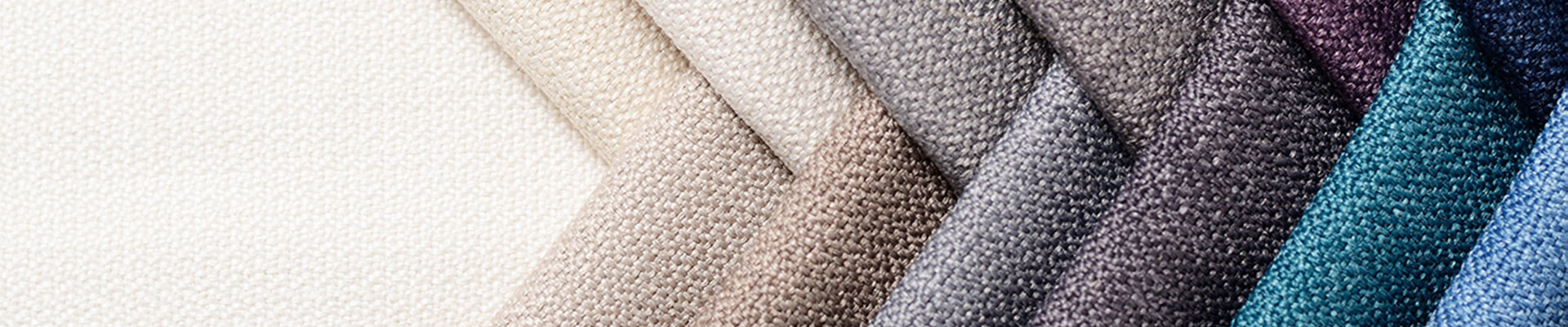
Global Recycled Standard (GRS) certification has become a benchmark for sustainable textile sourcing, yet many brands discover an unwelcome truth after production begins: recycled nylon and polyester fabrics frequently struggle to match the performance characteristics of their virgin counterparts. This performance gap creates a critical dilemma for outdoor gear, industrial applications, and high-wear products where material failure is not an option.
The Performance Gap: Recycled vs. Virgin Fibers
Understanding why GRS-certified materials underperform requires examining the fundamental differences between recycled and virgin fibers at the molecular level.
Mechanical Strength Limitations
Recycled nylon (rNylon) and recycled polyester (rPET) undergo thermal and mechanical stress during the reprocessing phase. Each recycling cycle shortens polymer chains, reducing tensile strength and abrasion resistance. Standard rNylon 6,6 typically exhibits 15-20% lower tenacity compared to virgin grades, while rPET shows comparable reductions in tear strength. For outdoor backpacks, equestrian gear, or industrial safety equipment, this strength differential translates to shorter product lifespans and increased warranty claims.
Color Consistency and Functional Challenges
Post-consumer recycled feedstock introduces variability in base color and contamination levels. Dye uptake in rPolyester differs significantly from virgin material due to irregular polymer crystallinity, resulting in batch-to-batch color variations that frustrate quality control teams. Additionally, these molecular irregularities affect surface energy properties, making hydrophobic treatments less effective. Standard Durable Water Repellent (DWR) coatings achieve lower contact angles on recycled substrates, requiring modified application processes to achieve equivalent water resistance.
How Technical OEM Partners Bridge the Performance Divide
Leading contract manufacturers have developed sophisticated approaches to overcome these inherent limitations without compromising GRS certification integrity.
Advanced Feedstock Selection and Blending
Rather than relying on generic recycled inputs, technical OEMs implement multi-tier raw material screening protocols:
| Selection Criteria | Virgin Standard | Basic Recycled | Premium Recycled (OEM-Grade) |
|---|---|---|---|
| Polymer Chain Length | Consistent | Highly Variable | Pre-screened & Standardized |
| Intrinsic Viscosity (IV) | 0.80-0.84 dL/g | 0.65-0.75 dL/g | 0.78-0.82 dL/g |
| Contamination Levels | <0.01% | 0.5-2.0% | <0.05% |
| Batch Color Variation | ΔE <0.5 | ΔE 3.0-5.0 | ΔE <1.5 |
| Tensile Strength Retention | 100% baseline | 75-85% | 92-97% |
Premium OEM-grade recycled inputs undergo additional sorting, cleaning, and viscosity restoration processes before entering production. Taiwan-based manufacturers with integrated supply chains—such as Yi Chun Textile—leverage direct relationships with certified recyclers to secure pre-screened feedstock that maintains full GRS traceability while achieving 90%+ strength parity with virgin materials.
Process Optimization for Recycled Polymers
Manufacturing parameter adjustments compensate for recycled fiber characteristics:
- Modified Drawing Ratios: Extended thermal drawing processes align polymer chains more effectively, partially restoring mechanical properties degraded during previous use cycles
- Optimized Heat Setting Temperatures: Precise temperature control during heat setting improves dimensional stability and crystallinity in recycled polyester
- Enhanced Twisting Configurations: Modified yarn twisting patterns distribute stress more evenly across shorter polymer chains, improving overall fabric durability
These adjustments require substantial R&D investment and production line flexibility—capabilities typically found in specialized technical textile manufacturers rather than commodity producers.
GRS Traceability: The Operational Reality Behind Certification
While GRS certification verifies recycled content percentages and chain of custody, maintaining performance consistency across certified supply chains presents distinct operational challenges that directly impact material quality.
Documentation and Chemical Compliance Complexity
Each production batch requires tracking from post-consumer or post-industrial waste collection through fiber production, yarn spinning, weaving/knitting, and finishing. This documentation intensity creates opportunities for errors that compromise both certification validity and material consistency. Furthermore, GRS requirements intersect with increasingly strict chemical regulations, particularly regarding PFAS restrictions and OEKO-TEX® Standard 100 compliance. Manufacturers maintaining multiple certifications—including GRS, PFAS-free formulations, and OEKO-TEX® Standard 100—demonstrate the rigorous testing protocols necessary to ensure recycled inputs meet both recycled-content targets and chemical safety standards.
Supply Chain Fragmentation Risks
Recycled fiber supply chains involve more intermediaries than virgin material streams, increasing variability risk. Without direct relationships with certified recyclers, manufacturers face unpredictable feedstock quality that affects end-product performance. Vertical integration or strategic partnerships with certified suppliers become critical differentiators for consistent output.
Performance Validation in Certified Sustainable Materials
Closing the performance gap requires moving beyond certification documentation to empirical testing validation:
- Accelerated Aging Tests: Simulating extended use cycles to verify that recycled fabrics maintain performance characteristics over time
- Comparative Benchmarking: Direct side-by-side testing against virgin material equivalents under identical conditions
- Application-Specific Validation: Testing protocols tailored to end-use requirements rather than generic textile standards
Manufacturers integrating these validation approaches can confidently specify GRS-certified materials for demanding applications previously reserved for virgin fibers.
The Path Forward for Performance-Critical Sustainable Textiles
The transition to circular material systems does not require accepting performance compromises. Through advanced feedstock engineering, process optimization, and rigorous quality validation, technical textile manufacturers are demonstrating that GRS-certified recycled nylon and polyester can meet—or exceed—the durability standards established for virgin materials.
For brands navigating the complexity of sustainable material sourcing, partnering with OEM manufacturers possessing demonstrated capabilities in high-tenacity recycled fabric development—particularly those combining GRS certification with PFAS-free and OEKO-TEX® Standard 100 compliance—ensures that environmental commitments translate to products that perform reliably in real-world conditions.